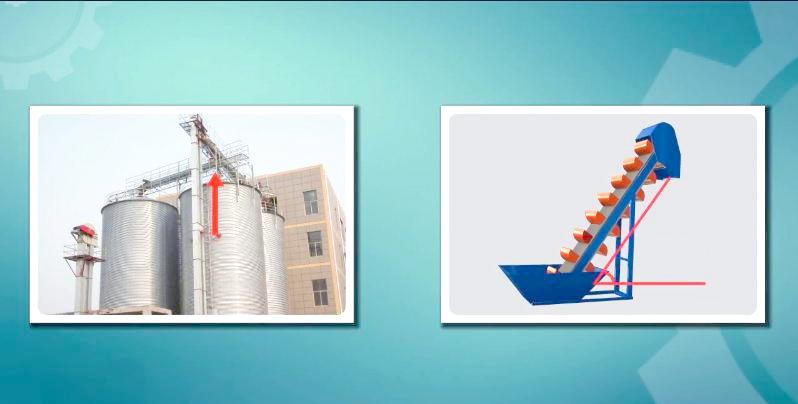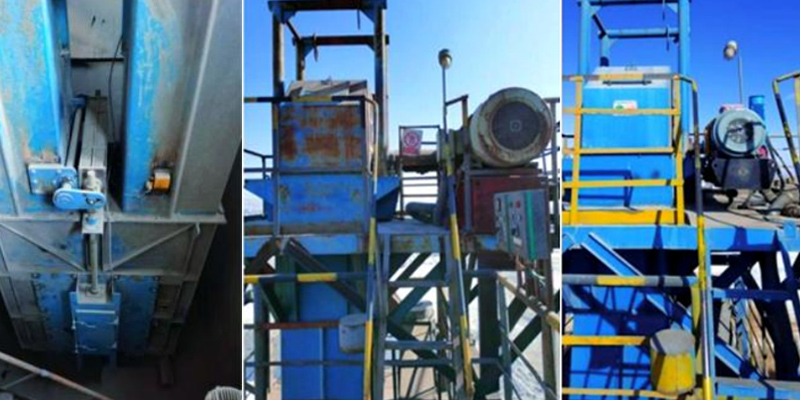
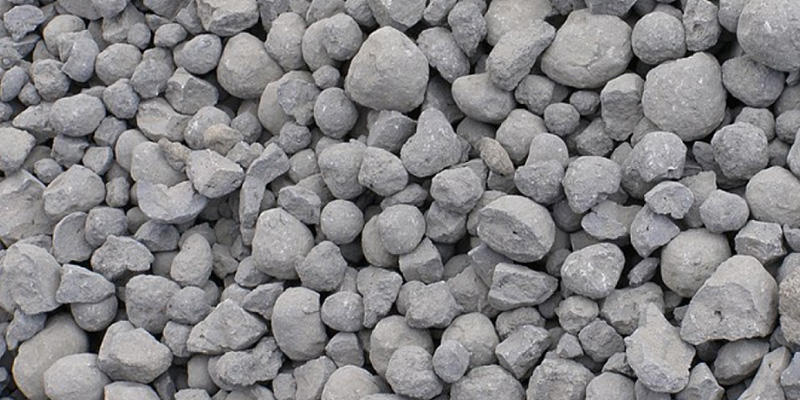
Powder handling is one of the most critical yet easily overlooked auxiliary processes within modern cement plants. Common operational issues including airborne dust, silo bridging, pipeline deposition and unbalanced system pressure mostly stem from poor management of fine abrasive powders, rather than failures of core kiln or grinding circuits. A solid understanding of the inherent properties and processing principles of cement and clinker powder lays the foundation for stable, low‑energy‑consumption and eco‑friendly plant operation.
1. Cement Manufacturing Process and Raw Material Composition
Cement manufacturing is a comprehensive thermal‑physical workflow that transforms natural mineral feedstock into hydraulic binding materials. The complete production line covers raw‑material batching, preheating, high‑temperature calcination, cooling, grinding and final powder storage. Main feedstock consists of limestone, clay and gypsum, while supplementary materials such as fly ash and slag are incorporated to tune end‑product performance.
Inside rotary kilns, mineral raw materials undergo chemical reactions under high‑temperature calcination to form granular clinker, the core constituent of finished cement. Following calcination, clinker is cooled, crushed and milled into fine powder for silo storage or final packaging. Across the full production line from raw materials to finished goods, the transfer, dust abatement, silo discharge and bulk loading of clinker and cement powder rely on professional auxiliary equipment: dust collectors, conveying systems, air‑lock valves and bulk loaders. These hardware solutions address typical production pain points triggered by abrasive powder, such as excessive wear, fugitive dust and material blockages. It is worth clarifying the difference between cement and concrete: cement acts as a standalone powdery binder, whereas concrete is a composite building material produced by mixing cement with aggregates and water.
2. What is Clinker Cement?
Clinker cement refers to granular and powdery hydraulic material yielded by high‑temperature calcination inside cement rotary kilns. As the fundamental base feedstock for cement production, clinker largely defines the strength, stability and overall quality of finished cement products. After cooling and fine crushing, clinker turns into clinker powder, a material featuring high hardness, strong abrasiveness and distinctive flow behaviour that makes it far harder to handle than ordinary raw‑meal powder.
Within real‑world plant operations, clinker powder is continuously generated throughout crushing, screening, conveying and silo‑storage stages. Its unique physical properties create the majority of auxiliary‑system challenges faced by cement manufacturers.
3. Physical Characteristics of Clinker Cement Powder
Processing difficulties associated with clinker powder originate from its intrinsic physical attributes. Unlike many other industrial powders, clinker cement powder demonstrates distinct behaviour in terms of abrasion, flow property, temperature tolerance and storage performance.
3.1 High Hardness and Strong Abrasiveness
Rich in hard mineral crystals, clinker powder continuously scours pipelines, silo linings and flow‑control components. Prolonged operation commonly causes equipment wall thinning, air leakage and powder spillage, which constitute major drivers for frequent auxiliary‑system maintenance.
3.2 Mixed Particle Gradation
Clinker powder comprises both coarse particles and ultra‑fine dust fractions. Coarse fractions tend to settle and bring about pipeline deposition; fine clinker dust can remain suspended in air for long periods and cause widespread workshop dust pollution.
3.3 Tendency toward Compaction and Bridging
Though less hygroscopic compared with finished cement, clinker powder compacts under sustained static pressure during long‑term silo storage. Stable material arches may form, resulting in intermittent discharging, material cutoff and reduced silo utilisation efficiency.
H3: 3.4 High‑Temperature Operational Properties
Fresh clinker discharged from kilns carries substantial residual heat. Hot powder alters airflow viscosity and accelerates ageing of filter media and sealing elements, raising higher requirements for system dust removal and sealing capability.
4. Common Challenges in Clinker Powder Handling
Most persistent pain points for cement‑plant auxiliary systems arise from clinker‑powder handling activities. Key industrial challenges are summarised below.
4.1 Poor Control over Dust Emissions
Clinker crushing and material transfer produce instantaneous high‑concentration dust plumes. Suspended fine clinker dust leads to non‑compliant emissions and harsh on‑site working conditions, imposing lasting environmental pressure on cement facilities.
4.2 Silo Bridging and Unstable Discharge
Material compaction and arching inside clinker silos trigger erratic material flow. Periodic material cutoff disrupts continuity of downstream grinding and conveying circuits.
4.3 Pipeline Deposition and Blockage
Non‑ideal particle gradation causes coarse clinker particles to settle under low‑airflow‑velocity conditions. Progressive deposition reduces pipeline cross‑sectional area, increases system resistance and brings on frequent blockage‑related shutdowns.
4.4 Unbalanced System Pressure and Elevated Energy Consumption
Clinker‑induced abrasion creates invisible air‑leakage points on pipelines and valve assemblies. Minor air ingress breaks negative‑pressure balance, degrades dust‑collection and conveying performance and raises fan power consumption.
5. Core Principles of Cement and Clinker Powder Processing
The essence of clinker and cement powder processing lies in gas‑solid two‑phase flow balance control. Every process stage must accommodate clinker powder’s abrasiveness, flow characteristics and thermal properties. A well‑engineered powder‑handling system follows four core procedures: airflow pressure stabilisation, closed‑loop conveying, high‑efficiency dust separation and stable sealed discharge.
5.1 Air‑pressure Balance Control
Stable negative pressure provides the fundamental solution against dust escape. Segregating positive‑ and negative‑pressure zones eliminates internal‑external air convection and prevents dust leakage at transfer points and silo breathing ports.
5.2 Fully‑Enclosed Powder Conveying
Enclosed conveying structures prevent intermediate powder leakage and fugitive dust, sustaining consistent material supply for grinding and storage systems.
5.3 High‑Efficiency Gas‑Solid Separation
Specialised dust purification efficiently recovers suspended fine powder, cuts material loss and maintains long‑term ultra‑low‑emission performance.
5.4 Stable Storage and Dust‑Free Discharging
Optimised silo aeration combined with dynamic‑sealing technology mitigates compaction and arching, enabling uniform discharge and dust‑free bulk loading.
6. System‑Level Optimisation Solutions
To address prevailing clinker‑powder‑handling difficulties, modern cement plants deploy matched sets of auxiliary equipment to secure stable overall performance. System‑level optimisation targets dust mitigation, conveying reliability, pressure balance and end‑point discharging.
High‑efficiency dust collectors are deployed for high‑concentration clinker dust generated during crushing and transfer, coping with high‑temperature and high‑abrasion working environments to sustain reliable filtration performance. Wear‑resistant conveying equipment mitigates pipeline deposition and blockage and improves continuity of material transport.
High‑integrity air‑lock process valves counteract invisible air leakage caused by clinker abrasion, stabilise system negative pressure and lift overall operational efficiency. Sealed telescopic bulk loaders paired with dedicated dust‑removal systems deliver fully dust‑free bulk loading, improving workshop conditions and production throughput.
7. Key Influencing Parameters
Reliable performance of clinker‑powder systems builds upon precise parameter tuning, including powder‑gradation uniformity, system negative‑pressure stability, air‑solid ratio, filtration wind speed and sealing performance of flow‑control nodes. Well‑calibrated parameters effectively mitigate wear, blockage events and energy consumption.
8. Industry Development Trends
Driven by continuously tightened global environmental‑protection standards, cement manufacturing advances toward intelligence, low‑wear operation and zero‑dust production. Holistic powder‑system balance optimisation has replaced traditional piecemeal single‑equipment adjustments. High‑efficiency dust removal, fully enclosed conveying, precise air‑lock regulation and dust‑free bulk loading have become standard configurations for modern‑day green cement plants.
9. Conclusion
Clinker‑powder handling represents a non‑negligible core auxiliary link within cement manufacturing. Its distinctive physical properties define the complexity of plant powder‑system operation. Optimising airflow balance, conveying workflows and dust‑purification mechanisms can fundamentally alleviate dust pollution, blockage failures and excessive energy use. Thoughtfully‑specified auxiliary equipment empowers cement plants to achieve long‑term stable, low‑consumption and environmentally sustainable production.