


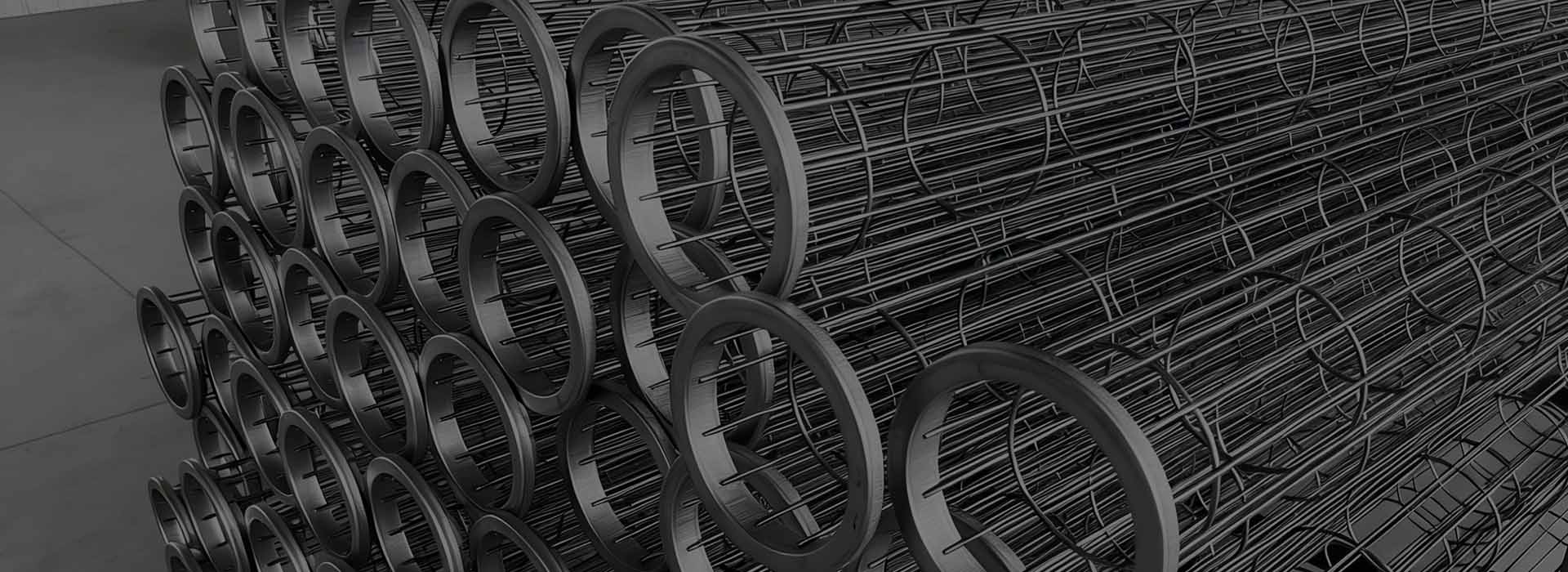
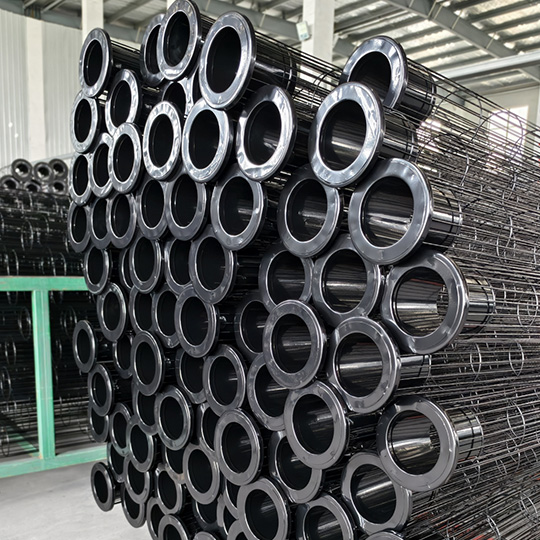
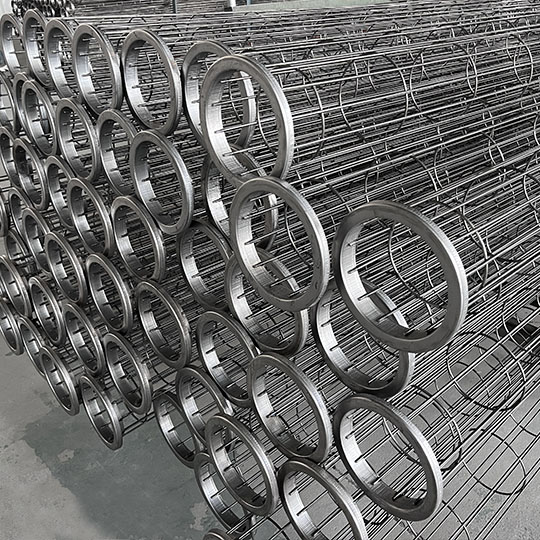
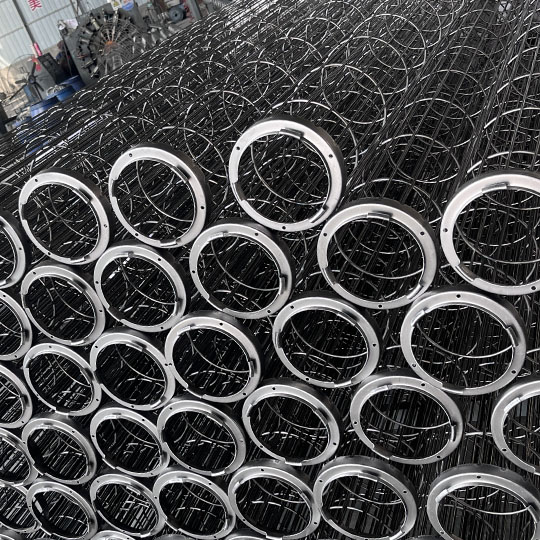
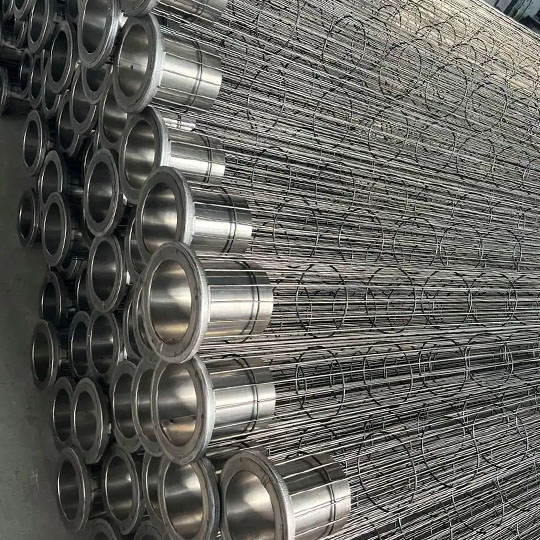
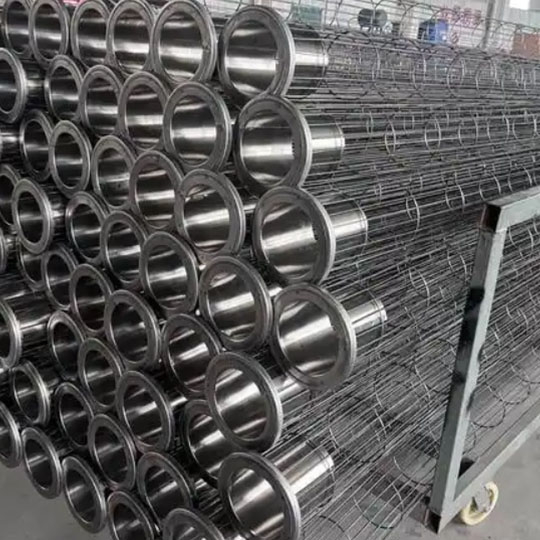
Filter Bag Cage for Sale
- Cage Diameter: 80mm – 200mm
- Horizontal Ring Space: 150-200mm
- Wire Number: 8, 10, 12,16, 20, 24
- Wire Diameter: 3mm, 3.2mm, 3.5mm, 3.8mm, 4mm, 5mm
- Style Of Connection: Block, split, flange, collar, or venturi
- Raw Material: carbon steel, galvanized steel, stainless steel.
- Length: Up to 10 meters.
How Filter Cages Work?
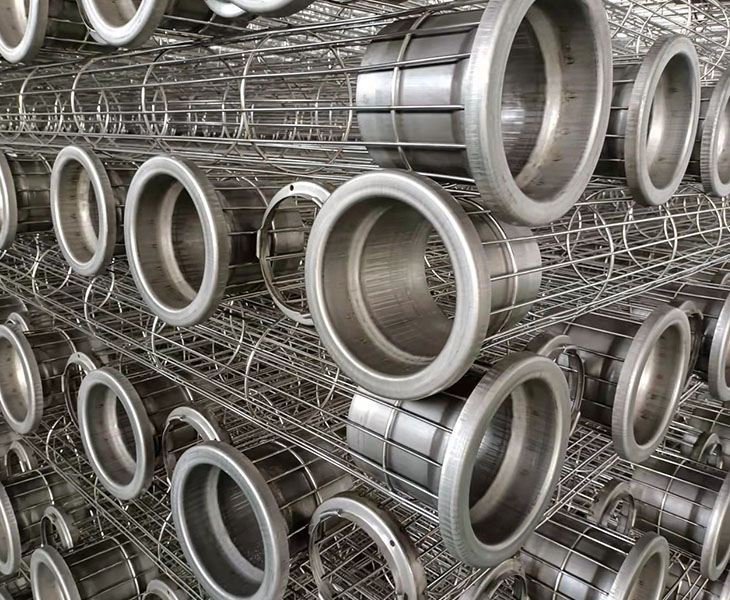
Filter cages act as sturdy support skeletons inside filter bags of baghouse dust collectors. They hold filter bags open against system negative pressure to keep full filtration area available during normal dust separation. Equipped with venturi tubes on most units, they evenly deliver pulsed compressed air to inflate bags and shake off dust cake in cleaning cycles. Smooth welded, anti-corrosion frames also prevent sharp burr abrasion, greatly extending filter bag service life and stabilizing long-term dust collector running efficiency.
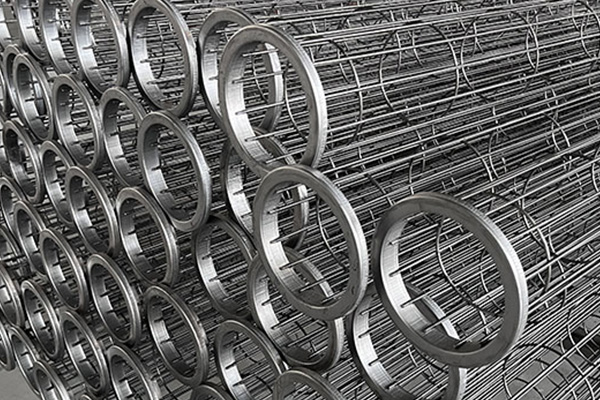
Filter Bag Cage Types
Darko rotary valves are known for their decades of experience, expertise, and proprietary development, manufactured with top-quality materials to ensure reliability and exceptional performance. Our rotary valve types are designed to meet various industrial requirements. Below are the main product classifications:
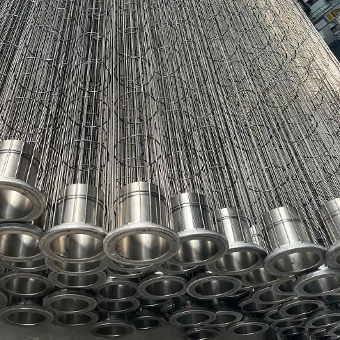
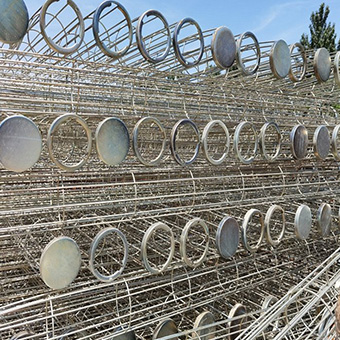
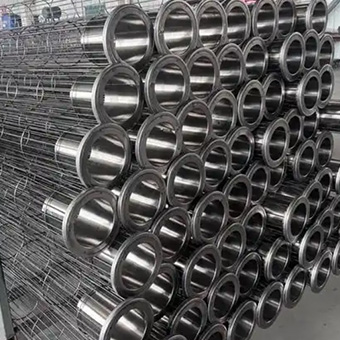
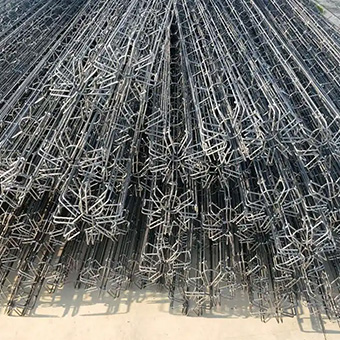
Different-shaped filter bag cages
Designing and manufacturing rotary valves beyond commonly used sizes and shapes poses significant challenges for many manufacturers. However, at Darko, we excel in providing solutions for applications that require large throughput or the handling of oversized particles, particularly in the chemical and aggregates industries.
-
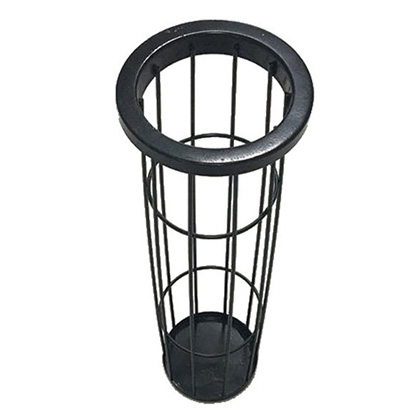 Round Filter Bag Cage
 -
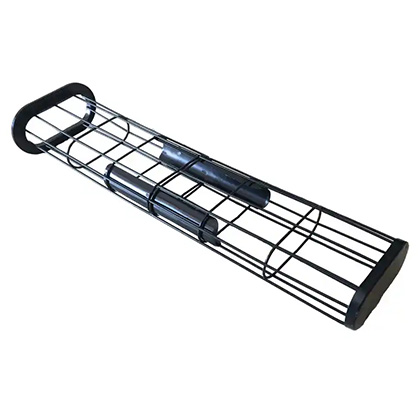 Oval Filter Bag Cage
 -
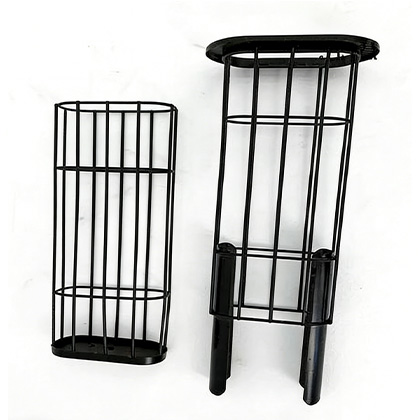 Trapezoidal filter bag cage
 -
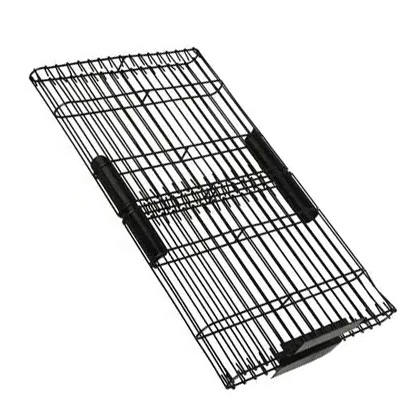 Envelope filter bag cage
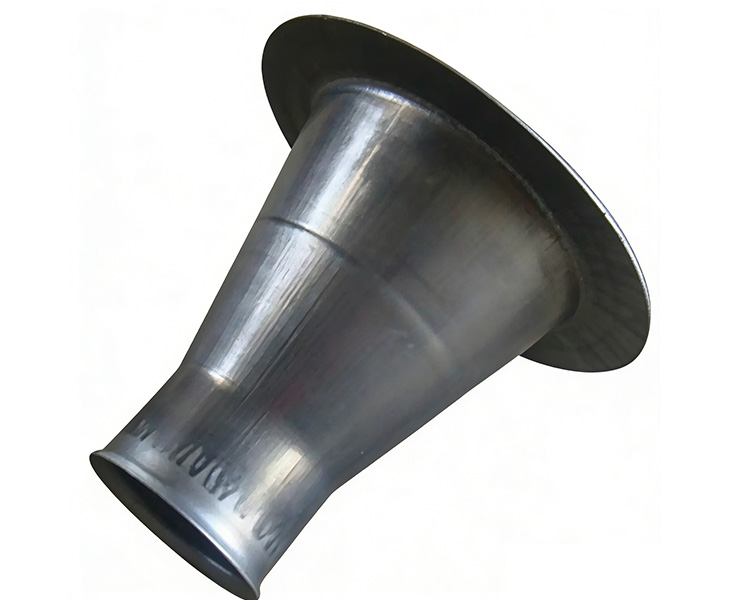
Venturi Tube
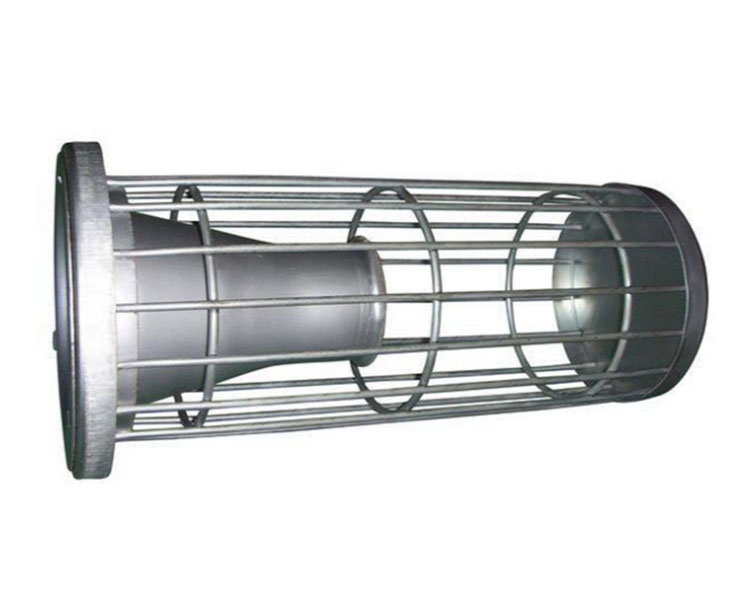
The Venturi tube is installed at the top of the filter bag cage, guiding the compressed air flow to form a high-speed jet, thereby enhancing the dust removal effect and reducing the consumption of compressed air.
The Venturi tube can optimize the airflow distribution, reduce the direct impact of high-speed airflow on the local area of the filter bag, prevent the bag from wearing and damage, and at the same time reduce the accumulation of dust at the bottom of the bag, thereby lowering the maintenance frequency.
Support Ring
The support ring is the horizontal structure of the filter bag cage, which is used to maintain the roundness and overall rigidity of the filter bag, and to prevent the bag from “stranding” or local collapse during negative pressure operation.
Longitudinal Wire
- Smooth and shiny on the surface.
- The welding point can withstand a tensile force of more than 250N.
- The spacing of wires ≤ 40mm for chemical fiber needle-punched filter bag.
- The spacing of wires ≤ 20mm for Glass fiber fabric filter bag.
Darko's Advantage of Filter Bag Cage
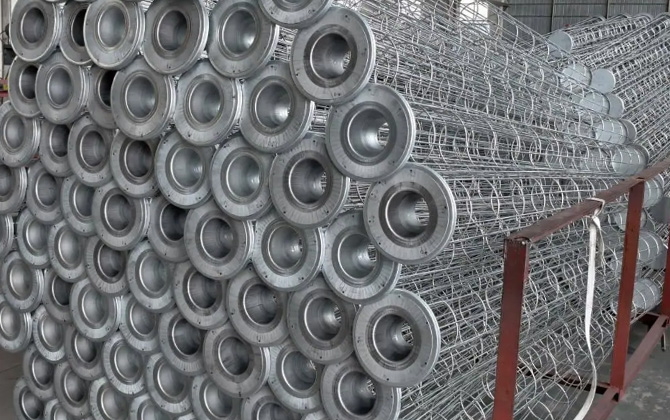
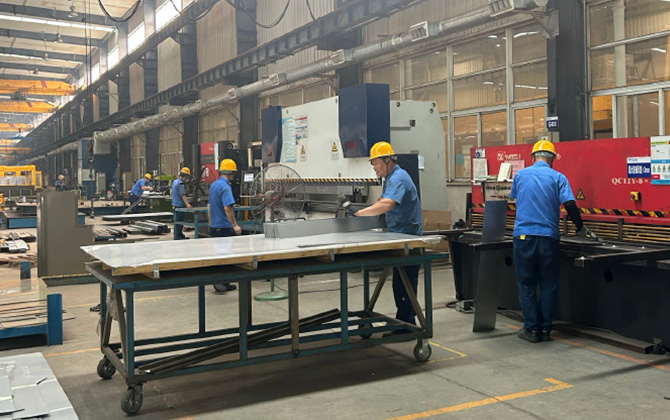
Darko is a professional cement equipment and cement plant spare part manufacturer. With our advanced production equipment and testing methods, we provide filter bag cages that fit most dust collectors’ applications . Many different raw materials, lengths, and configuration options are available. In addition, depending on production needs, we can implement various anti-corrosion treatments on the surface of the filter bag cage, such as electroplating, coating, painting, and so on.
Filter Bag Cage Applications
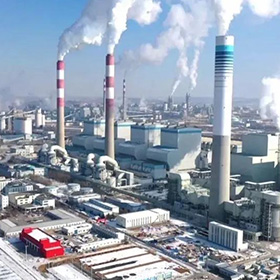
- Operating conditions: high temperature (200–300°C), high dust concentration, and presence of acidic gases such as SO₂ and HCl.
- Filter Bag cage surface treatment: organic-silicone spray coating with a temperature resistance up to 280°C to prevent filter bags from sticking.
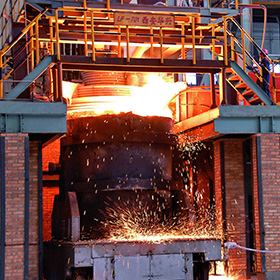
- Operating conditions: high temperature (up to and beyond 300°C), metal oxide dust, and high-frequency vibration.
- Support design: support ring spacing ≤ 200 mm to enhance impact resistance.
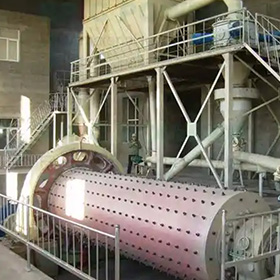
- Operating conditions: dust concentration extremely high (over 1000 g/Nm³), broad particle size distribution, and high equipment vibration frequency.
- Filter Bag Cage Design highlights: increase the number of longitudinal ribs (16–24) to enhance anti-vibration capability.
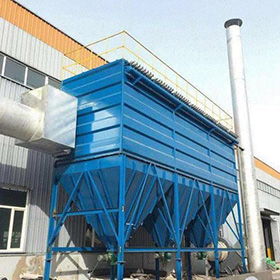
- Operating conditions: strong acid and alkali corrosion, flammable/explosive dust, and GMP cleanroom (sterile) requirements.
- Filter Bag Cage Material: 304/316L stainless steel with mirror-polished surface.
- Structure: weld-free and burr-free design, supports rapid disassembly for cleaning.
More about Filter Cages
- Industrial Application Scenarios
- Advantages of Filter Bag Cages
- Cement plant filter bag cage: Hot dip galvanized reinforced structure for kiln tail flue gas dust removal
- Steel mill filter cage: 316L stainless steel build for blast furnace flue gas collection
- Mining dust filter cage: Heavy thick-wire framework for quarry stone crushing dust control
- Asphalt plant filter cage: Epoxy coating to resist oil mist corrosion from asphalt mixing exhaust
-
Smooth Seamless Welding: Traditional spot welding leaves sharp burrs that tear filter bags within half a year. Our automatic argon arc welding and post-weld polishing eliminate all surface burrs, reducing filter bag damage rate to zero and extending filter bag service life by 40%
-
Integrated Reinforced Structure: Reinforced cages resist deformation under 8000Pa negative pressure, perfectly fitting high-negative-pressure dust removal systems in iron and steel metallurgy industries
Related Product
-
-
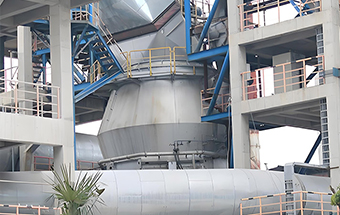
Using material bed grinding increases the fine powder proportion in extruded materials.
-
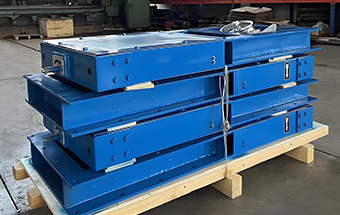
The groove-free design prevents blockages and is ideal for materials like ash and cement.
FAQ
- Size Matching: The diameter of the filter bag cage should be 5 to 10 mm smaller than the inner diameter of the filter bag to avoid being too tight, which can cause installation difficulties, or too loose, which can lead to friction.
- Length Consistency: The filter bag cage should be slightly shorter than the filter bag (approximately 10 to 30 mm) to prevent the bottom from dragging on the ground and causing wear.
- Tubesheet Compatibility: The aperture of the tubesheet must match the elastic collar of the bag opening. If it is too large, it may lead to “bag dropping,” and if it is too small, it may damage the bag opening during installation.
- Zinc Coating: Provides oxidation resistance and is cost-effective. However, the coating is thin and not suitable for humid environments.
- Silicone Spray Coating: Can withstand temperatures up to 300°C and has excellent corrosion resistance. It is widely used in high-temperature conditions and can replace stainless steel to lower costs.
- Epoxy Resin Spray Coating: Resistant to acids and bases, but prone to cracking at high temperatures, which may damage the filter bag.
- Plastic Coating: Offers a smooth surface, reduces friction on the filter bags, and extends the lifespan of the bag cage.
- Material Check: Verify whether standard Q235 or stainless steel wire is used and check for material certification.
- Welding Inspection: Examine whether the welding points are uniform and firm, ensuring there are no issues such as incomplete welds, weak welds, or burrs.
- Verticality Measurement: For a length of 6 meters, the deviation should not exceed ±1 mm. This can be tested using a plumb line method.
- Surface Touch: The surface should feel smooth, with no weld scars, bumps, or sharp edges.
- Standard Compliance: Ensure that the bag cage meets industry standards such as GB/T 35184-2017 and HJ/T 325-2006.
The filter bag cage, as the core supporting component of the bag-type dust collector, typically has a service life of over 3 years. Under suitable working conditions and proper maintenance, some high-quality products can even be used for 5 to 7 years.
- Support for Filter Bags and Shape Maintenance: The filter bag cage acts as the “skeleton” for the filter bag, preventing it from collapsing or deforming under airflow pressure or during pulse cleaning, thereby ensuring effective filtration surface area.
- Enhanced Cleaning Efficiency: A stable structure allows the filter bag to vibrate uniformly, aiding in the detachment of dust from the surface and improving cleaning effectiveness.
- Extended Filter Bag Lifespan: By distributing mechanical stress and reducing wear, especially in high-temperature, high-humidity, and highly corrosive environments, a quality filter bag cage can significantly prolong the service life of the filter bag.
- Ensured Sealing Performance: Close cooperation with the tubesheet and filter bag prevents dust-laden air from bypassing and leaking, ensuring that the dust collection efficiency meets the required standards.