


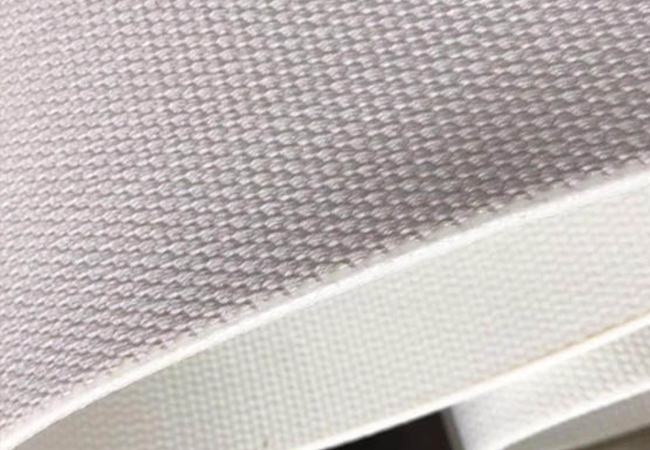
Synthetic Fiber Air Slide Fabric
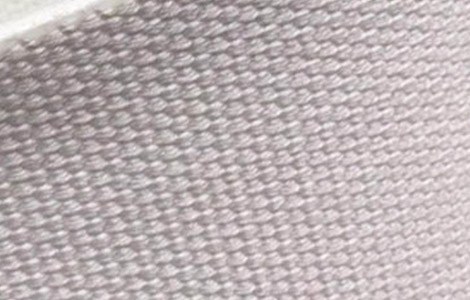
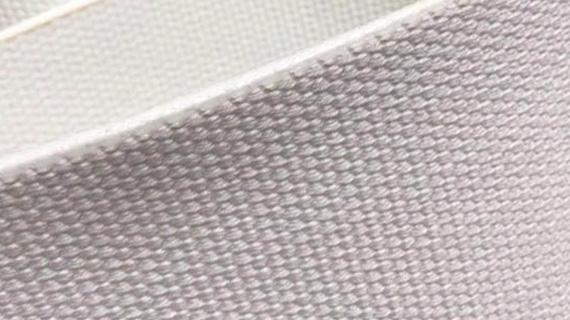
Synthetic Fiber Air Slide Fabric is a permeable fluidization textile for dry powder pneumatic conveying. Polyester air slide fabric is the most common and widely applied version of synthetic fiber air slide fabric, featuring uniform airflow, excellent wear resistance and stable air permeability. It is widely used in cement silos, fly ash conveying systems and bulk material storage warehouses.
- Superior Air Permeability
- Enhanced Durability
- Anti-Clogging Design
- Chemical Resistance
- Customizable
- Technical Specifications
- Key Advantages
- Industry Applications
- Material & Structure
- Common Issues & Solutions
| Parameter | Specification |
|---|---|
| Base Material | High-strength polyester/PPS/PTFE |
| Air Permeability | Adjustable 20-80 m³/m²/min |
| Temperature Resistance | -40°C to +220°C (peak 250°C) |
| Tensile Strength | Lengthwise ≥2000N/5cm |
| Crosswise ≥1800N/5cm | |
| Standard Widths | 500/1000/1500/2000/2500/3000mm |
✔ Superior Air Permeability – Consistent airflow (20-80 m³/m²/min) for optimal material fluidization
✔ Enhanced Durability – Reinforced synthetic fiber base with wear-resistant coating, 3x longer lifespan than standard fabrics
✔ Anti-Clogging Design – Special weaving technique prevents fine powder penetration
✔ Chemical Resistance – Withstands alkaline/acidic materials (pH 3-12)
✔ Customizable – Available in widths from 500mm to 3000mm with multiple edge finishing options
-
Cement Plants: Raw meal/cement conveying from silo bottoms
-
Power Stations: Fly ash handling in ESP systems
-
Metallurgy: Alumina powder transport
-
Food Processing: FDA-compliant versions for flour/starch
| Property | Description |
| Base Material | Synthetic fibers such as polyester (PET), polypropylene (PP), nylon (PA), sometimes with PTFE coating for high-end models. |
| Weaving Process | Multi-layer structure (dense surface + supportive base) or needle-punched non-woven fabric to balance permeability and strength. |
| Pore Size | Typically 10–100 microns, selected based on particle size (finer powders require smaller pores). |
| Temperature Resistance | Standard: -30°C to 120°C; high-temperature versions (e.g., fiberglass + PTFE) can withstand up to 200°C+. |
| Issue | Cause | Solution |
| Reduced Permeability | Dust clogging or fabric aging | Regular reverse air cleaning or switching to anti-clogging models (e.g., PTFE membrane). |
| Localized Damage | Material impact or improper installation | Use multi-layer reinforced fabric with edge protection. |
| Uneven Airflow | Inconsistent pore distribution or excessive pressure drop | Optimize compressor settings or use uniformly woven fabric. |
Core Functions
Uniform Air Distribution: Ensures even penetration of compressed air through its microporous structure, preventing localized airflow blockages or excessive pressure.
Material Fluidization: Promotes thorough mixing of materials with air, creating a “fluid-like” state to reduce frictional resistance.
Anti-Clogging: Prevents fine particles from entering the fabric pores, maintaining long-term air permeability.
Abrasion & Pressure Resistance: Withstands material weight and air pressure to avoid damage.
Selection Guide
-
By Material Characteristics:
-
Abrasive powders → PTFE-coated premium grade
-
Sticky materials → PPS fiber with nano-coating
-
-
By Temperature:
-
<150°C → Standard polyester
-
150-220°C → PPS/PTFE composite
-
Maintenance Tips
-
Installation: Maintain 800-1000N/m tension during mounting
-
Cleaning: Use low-pressure air purge (≤0.3bar)
-
Replacement Indicators:
▶ 30%+ airflow resistance increase
▶ Visible surface glazing or cracks
Related Products
Why Choose Synthetic Fiber Air Slide Fabric?
Synthetic Fiber Air Slide Fabric is the optimal solution for pneumatic powder conveying, offering:
✔ Uniform Airflow (20-80 m³/m²/min) – Ensures smooth material fluidization with low pressure (0.1-0.3 bar), reducing energy costs by 30-50%.
✔ Extended Lifespan – PTFE/PPS-coated surface + reinforced polyester base lasts 3-5 years (vs. 6-12 months for standard fabrics).
✔ Extreme Durability – Resists high temps (-40°C to 220°C), chemicals (pH 3-12), and abrasion.
✔ Customizable – Available in 500-3000mm widths with FDA-compliant options for food-grade applications.
✔ Proven Performance – Used by 500+ global clients (cement, power, chemical industries) with ISO/CE certifications.
It enables low-pressure pneumatic conveying of dry powders (cement, fly ash, alumina, etc.) in industries like cement plants, power stations, and food processing.
✔ Uniform airflow (20-80 m³/m²/min) prevents clogging
✔ PTFE/PPS coating reduces wear, lasting 3-5x longer
✔ Low-pressure operation (0.1-0.3 bar) cuts energy use by 30-50%
Yes! Withstands -40°C to 220°C (peak 250°C). For extreme heat, PPS/PTFE blends are recommended.
Absolutely. FDA-compliant versions with anti-static properties are available for flour, starch, and sugar.
Replace if:
-
Airflow drops >30%
-
Visible cracks/glazing appear
-
System pressure rises abnormally