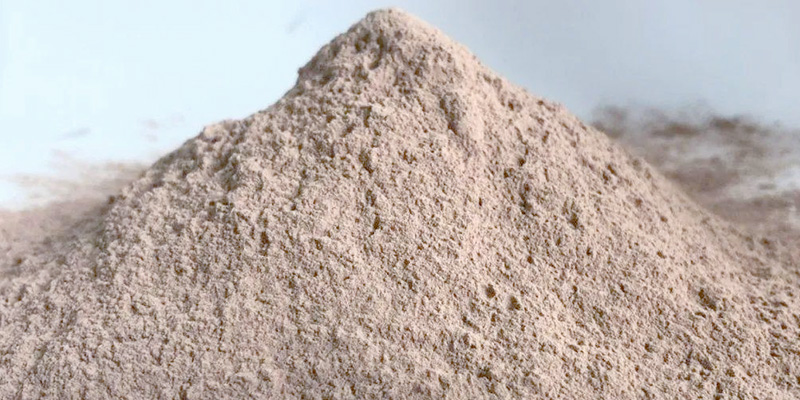
Refractory cement (also called fireproof cement) is a dedicated heat-resistant bonding material for all industrial high-temperature equipment. Regular Portland cement loses structural strength and cracks above 300°C, but refractory cement builds tight ceramic bonding after sintering at 800°C to 1800°C. Refractory cement works as the core adhesive for furnace linings, kiln repair jobs, and precast monolithic refractory castables. Factories across cement, metallurgy, power, chemical and waste incineration industries rely on refractory cement daily. It cuts heat loss, extends equipment service life and eliminates costly unplanned maintenance downtime.
This full industry guide breaks down everything about refractory cement: definition, working mechanism, chemical makeup, core performance, different refractory cement types, real industrial use cases, common lining failures, step-by-step construction rules, complete refractory cement production process and professional selection tips.
1. What Is Refractory Cement? Key Differences From Regular Cement
Refractory cement is a calcium aluminate based high-temperature binder made of specialized refractory mineral oxides. Refractory cement delivers two unique strength phases: hydraulic hardening at room temperature and ceramic reinforcement under high heat. This core trait fully separates refractory cement from standard construction cement.
Regular cement only gains strength via simple hydration. Continuous high heat makes it crumble, pulverize and lose all bonding power. When you heat refractory cement, it goes through dehydration, crystal phase shift and sintering densification. The material forms a dense ceramic body that grows stronger and more stable during long high-temperature running.
On most industrial sites, workers never use refractory cement alone as a standalone structural layer. Refractory cement carries three essential jobs:
- Bond refractory bricks and loose refractory aggregates tightly together
- Form integral refractory castables and sprayable gunning mixes
- Patch worn, cracked or peeling furnace and kiln refractory linings
2. Refractory Cement Composition and Working Mechanism
2.1 Core Chemical Composition
The performance of refractory cement directly depends on balanced oxide proportions. Standard industrial refractory cement includes these key raw components:
- Alumina (Al₂O₃): 30%–70% — controls the heat resistance and chemical stability of refractory cement
- Silica (SiO₂): 20%–50% — boosts structural compactness and thermal stability of refractory cement lining
- Calcium Oxide (CaO): 5%–15% — adjusts hydration speed and early hardening strength of refractory cement
- Minor oxides (MgO, Fe₂O₃, TiO₂): improve thermal shock resistance and abrasion resistance for refractory cement
2.2 Two-Stage Working Mechanism (Room Temp to High Temp)
Nearly all commercial refractory cement falls into the CAC (calcium aluminate cement) group, with main mineral crystals CA, CA₂ and C₁₂A₇. Refractory cement forms its final stable strength in two clear stages.
Stage 1: Room-temperature hydration curing
Once you mix refractory cement with clean water, hydration reactions create solid hydrates. Refractory cement develops usable initial mechanical strength within 24–72 hours, which supports demolding and full refractory lining construction.
Stage 2: High-temperature ceramic sintering hardening
When operating temperature climbs to 800°C–1200°C, all internal hydrates inside refractory cement fully dehydrate. Solid-state chemical reactions and crystal rearrangement build a continuous dense ceramic network. This permanent ceramic bond lets refractory cement hold stable high-temperature strength for years of furnace operation.
3. Core Properties and Practical Advantages of Refractory Cement
Qualified refractory cement solves major pain points for high-temperature production equipment with balanced reliable performance:
• Extreme heat resistance: Different grades of refractory cement steadily withstand continuous working temperatures from 1200°C to 1800°C for industrial kilns, melting furnaces and waste incinerators.
• Strong thermal shock resistance: Refractory cement resists damage from frequent fast heating and cooling cycles, stopping refractory lining cracks and surface peeling during repeated equipment startup and shutdown.
• High permanent bonding strength: Refractory cement locks refractory bricks and aggregates firmly, preventing structural loosening caused by thermal stress and mechanical vibration.
• Excellent chemical corrosion resistance: Refractory cement stands up to alkaline flue gas, sulfur & chlorine corrosion, molten slag erosion and abrasive industrial dust.
• Flexible construction workability: Refractory cement features adjustable plasticity to fit integral casting, brick gap filling, spray repair and emergency kiln patching.
• Long service life & low overall cost: Refractory cement reduces frequent refractory lining maintenance and unplanned factory shutdowns, cutting total long-term operation expenses.
4. Types of Refractory Cement + Full Comparison Table
Refractory cement manufacturers develop multiple grades of refractory cement to match different temperature limits, chemical atmospheres and construction methods. The comparison table below helps engineers and buyers pick the right refractory cement for their project.
| Refractory Cement Type | Alumina Content | Max Service Temp | Core Advantages | Limitations | Best Applications |
|---|---|---|---|---|---|
| High Alumina Refractory Cement | 50%–70% | 1700–1800°C | Ultra-high heat resistance, strong anti-corrosion, stable thermal shock performance | Higher raw material cost, slower early strength gain | Steel melting furnaces, non-ferrous smelters, heavy-duty high-temp kiln refractory linings |
| Calcium Aluminate Cement (CAC) | 40%–50% | 1300–1500°C | Fast setting speed, fast early strength, perfect for emergency repair | Poor performance above 1600°C, gradual strength loss under long extreme heat | Kiln refractory patching, urgent furnace maintenance, refractory brick bonding mortar |
| Castable Refractory Cement | 35%–60% | 1400–1650°C | Uniform seamless structure, strong load-bearing capacity, integral lining performance | Requires strict mixing ratio and controlled heating curve | Monolithic furnace refractory linings, blast furnace ramming mixes, large-area kiln lining reconstruction |
| Insulating Refractory Cement | 30%–40% | 1200–1350°C | Lightweight texture, low thermal conductivity, outstanding energy saving effect | Low mechanical strength, not suitable for heavy wear-resistant working layers | Furnace thermal insulation lining, high-temperature equipment heat shields, energy-saving refractory lining systems |
| Specialty Custom Refractory Cement | Custom Formula | 1500–1850°C | Custom anti-alkali, anti-sulfur, anti-chlorine and anti-reduction performance | Higher customization cost, longer production lead time | Cement kiln waste co-processing lines, highly corrosive chemical reactors, special industrial high-temperature furnaces |
5. Industrial Applications of Refractory Cement
5.1 Cement Production Industry
Refractory cement serves every core high-temperature zone on modern dry-process cement production lines. Workers apply refractory cement to rotary kiln burning zones, transition sections, kiln hoods, preheater cyclones, calciner refractory linings, tertiary air ducts and high-temperature grate cooler areas. Refractory cement greatly slows alkali corrosion, thermal cracking and lining abrasion, extending kiln running cycles and lowering clinker heat consumption.
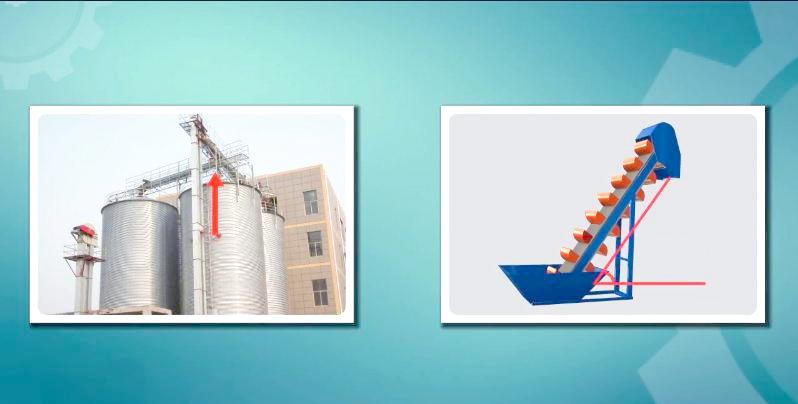
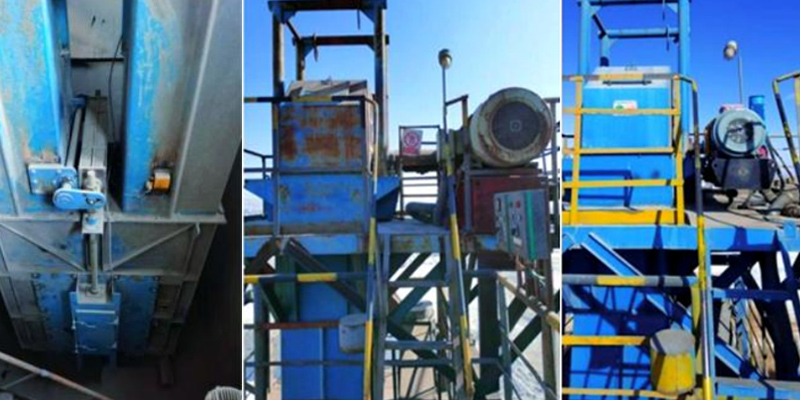
Cement plant production lines also match essential supporting equipment including high-temperature dust collectors and material bulk loaders. These dust collection and conveying machines constantly contact hot dusty flue gas and highly abrasive raw materials. Construction crews coat internal heat-resistant liners and flow guide structures with matched refractory cement for extra protection. The refractory cement layer blocks high-temperature corrosion and dust abrasion, stabilizes equipment running status and lowers frequent breakdown risks of dust collectors and bulk loaders.
5.2 Metallurgy & Non-Ferrous Metal Industry
Workers use refractory cement to bond refractory linings for electric arc furnaces, molten steel ladles, aluminum melting furnaces, copper smelting furnaces and high-temperature holding furnaces. Refractory cement resists erosion from molten metal and thermal fatigue, supporting non-stop stable smelting production.
5.3 Power Generation & Waste Incineration Industry
Refractory cement lines industrial boilers, hot blast stoves, power plant flue ducts and municipal garbage incinerators. It adapts to high-dust and corrosive flue gas environments, lifting equipment thermal efficiency and daily operation safety.
5.4 Chemical & Metal Foundry Industry
Chemical plants and foundries use refractory cement to reinforce high-temperature reactor linings and casting molds. Refractory cement delivers reliable heat resistance for chemical thermal reactions and precision metal casting workflows.
6. Common Refractory Cement Lining Failures, Root Causes & Practical Solutions
Most damaged refractory lining issues come from wrong refractory cement selection or non-standard construction steps, not defective refractory cement raw materials. Use these targeted solutions to fix frequent industrial refractory cement problems:
- High-temperature refractory cement cracking: Fast initial heating, uneven curing and mismatched thermal expansion rates trigger cracks. Follow graded slow heating curves and finish full moisturizing curing before equipment startup.
- Refractory cement lining peeling & falling off: Dirty base surfaces, insufficient curing time and heavy thermal shock cause surface loss. Fully clean all construction bases and choose thermal shock resistant refractory cement grades for frequently cycled furnaces.
- Slow hardening & low early strength of refractory cement: Too much mixing water and low ambient temperature delay curing progress. Stick to strict water-to-powder ratios and complete construction above 5°C environment temperature.
- Refractory cement chemical corrosion damage: High-alkali and high-sulfur flue gas wears down standard refractory cement. Swap to high-purity high-alumina or anti-corrosion specialty refractory cement.
- Short refractory cement lining life under thermal cycling: Only focusing on maximum temperature index ignores thermal fatigue resistance. Prioritize thermal shock resistant refractory cement grades for temperature-fluctuating working conditions.
7. Refractory Cement Mixing & Standard Construction Guidelines
Standard construction methods fully unlock the performance of refractory cement. Follow these clear operation rules for stable refractory lining quality.
7.1 Standard Refractory Cement Mixing Ratio
Add clean water at 5% to 8% of refractory cement dry powder weight. Add water gradually and stir evenly to create lump-free plastic mortar. Never add excess water — extra water reduces refractory cement structural density and high-temperature bonding strength. Only mix the amount of refractory cement you can fully use within 20–30 minutes to avoid expired inactive paste.
7.2 Refractory Cement Curing Standards
Seal and moisturize all surfaces coated with refractory cement for 24 to 72 continuous hours. Block direct sunlight and strong wind to prevent ultra-fast surface drying. Do not heat or bake refractory cement layers during curing; internal steam pressure creates bulges and deep cracks.
7.3 Drying & First Heating Rules for Refractory Cement Linings
After full curing, heat refractory cement linings slowly at low temperature to fully remove internal crystal water. Never jump to high heat in one step — sudden temperature spikes cause refractory cement lining burst and massive peeling.
8. How Refractory Cement Is Made | Complete Refractory Cement Production Process
Refractory cement uses an entirely unique manufacturing workflow compared with ordinary Portland cement. This special production process creates the dual hardening trait that makes refractory cement ideal for high-temperature lining jobs. The full refractory cement production flow covers precise raw material batching, raw meal grinding, high-temperature clinker calcination, fine clinker grinding and finished refractory cement packaging & storage.
8.1 Precise Raw Material Batching for Refractory Cement
Refractory cement manufacturers select premium bauxite, limestone, silica and trace mineral raw materials. Technicians strictly adjust alumina, calcium oxide and silica proportions based on each refractory cement grade’s performance target. Accurate raw material ratios form stable CA and CA₂ mineral crystals, laying the base for refractory cement’s heat resistance and strong bonding power.
8.2 Raw Material Mixing & Fine Grinding
Workers feed proportioned raw materials into professional industrial mills for drying and ultra-fine grinding. The uniform fine raw powder guarantees complete mineral fusion and consistent quality across every batch of refractory cement.
8.3 High-Temperature Clinker Calcination (Core Refractory Cement Step)
Ground raw meal enters rotary kilns and calcines at 1300°C to 1500°C. High-temperature solid-state chemical reactions and crystal reorganization generate stable calcium aluminate clinker. This calcination stage directly decides the final high-temperature stability of finished refractory cement.
8.4 Clinker Cooling & Secondary Fine Grinding
Factories quickly cool calcined refractory cement clinker then grind it into superfine powder. Operators adjust powder fineness and specific surface area to balance refractory cement construction fluidity and final cured strength. Raw material homogenization ensures every refractory cement batch delivers identical technical indexes.
8.5 Finished Refractory Cement Packaging & Dry Storage
Qualified refractory cement receives moisture-proof sealed packaging for both bulk delivery and bagged shipment. Store refractory cement under fully dry conditions to stop moisture absorption, caking and early hydration failure during long-term inventory storage.
9. Professional Refractory Cement Selection Criteria
Smart refractory cement matching focuses on working condition compatibility instead of only chasing the highest temperature resistance value. Four core factors guide correct refractory cement purchasing decisions:
• Operating temperature range: Pick high-alumina refractory cement for ultra-high temperature environments over 1600°C; select standard CAC refractory cement for medium-temperature projects and urgent repair work.
• Flue gas chemical atmosphere: Use anti-corrosion specialty refractory cement for production lines with high alkali, sulfur, chlorine or reducing chemical conditions.
• Construction type requirements: Choose fast-setting CAC refractory cement for rush repair tasks; select dedicated castable refractory cement for integral monolithic pouring projects.
• Full lifecycle operation cost: Prioritize refractory cement lining service life and maintenance frequency instead of only comparing upfront refractory cement purchase prices.
10. FAQ About Refractory Cement
Q1: What is the difference between refractory cement and regular cement?
A: Regular cement loses all strength and cracks above 300°C. Refractory cement forms tough ceramic sintered structure under high heat and grows stronger with sustained high temperature. Engineers specially design refractory cement for high-temperature industrial refractory lining and kiln repair applications.
Q2: What temperature can refractory cement withstand?
A: Insulating refractory cement handles 1200°C–1350°C continuous heat. Standard CAC refractory cement runs steadily at 1300°C–1500°C. High-alumina refractory cement reaches 1700°C–1800°C for extreme high-heat furnace environments.
Q3: How long does refractory cement take to cure?
A: Refractory cement reaches initial set within 24 hours. 48 to 72 hours of full moisturizing curing lets refractory cement hit maximum structural strength. You must carry out slow drying and staged heating before putting refractory cement lined equipment into formal production.
Q4: Can refractory cement bond fire bricks and repair kilns?
A: Yes. Refractory cement acts as the universal standard bonding mortar for all types of refractory fire bricks. Refractory cement also works as the most reliable repair material for daily kiln patching and anti-peeling refractory lining maintenance.
Q5: Why does refractory cement crack after heating?
A: Four main triggers cause refractory cement cracking: excessive mixing water, incomplete curing, overly fast initial heating and mismatched refractory cement grade. Standard construction steps and graded slow heating fully avoid refractory cement crack issues.
Q6: Is refractory cement waterproof and corrosion resistant?
A: After complete high-temperature sintering, refractory cement resists acid-base molten slag, sulfur and chlorine flue gas, plus various industrial corrosive materials. Refractory cement delivers far longer service life than ordinary cement under harsh factory working environments.
Q7: How thick can refractory cement be applied?
A: Standard application thickness of refractory cement stays between 10mm and 30mm. Keep thin repair layers of refractory cement at 10–15mm; set full refractory lining reinforcement layers at 20–30mm. Never apply refractory cement in a single layer thicker than 30mm — over-thick refractory cement traps internal moisture, creates strength layering and leads to thermal cracking. Complete multiple thin coating passes if you need thicker refractory cement lining.
11. Conclusion
Refractory cement forms the invisible foundational material of every high-temperature industrial production system. Refractory cement’s dual performance of room-temperature hydration curing and high-temperature ceramic sintering controls furnace lining safety, stable operation and total equipment service life. Every type of refractory cement carries distinct advantages and suitable application ranges for heat resistance, construction performance and anti-corrosion ability.
Accurate refractory cement selection, standardized mixing and curing procedures, plus targeted failure prevention maximize refractory lining lifespan, cut factory maintenance expenses and lift overall production energy efficiency. For global industrial buyers and engineering contractors, mastering refractory cement selection and application rules creates long-term stable, cost-efficient high-temperature production operations.