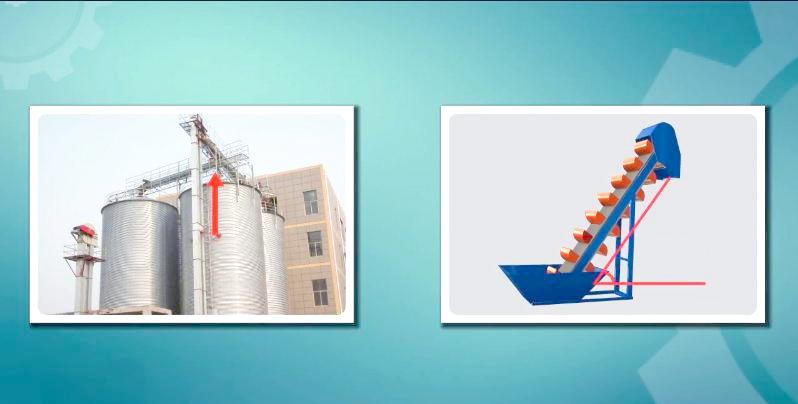

Belt conveyors are the most widely used continuous bulk material handling equipment in mining, cement plants, quarries, port terminals, power stations, and steel mills. The stable operation, low failure rate, and long service life of any conveyor system highly depend on high-quality belt conveyor parts and well-matched components. Understanding the complete conveyor structure, working mechanism, and core spare parts helps industrial users select reliable replacement components, minimize system downtime, and reduce long-term maintenance costs.
What are the parts of a belt conveyor?
A complete industrial belt conveyor system consists of five core components:conveyor belts, conveyor pulleys, conveyor idlers, conveyor rollers, and conveyor drive units. These essential conveyor parts work collaboratively to realize material bearing, friction transmission, belt support, tension control, and continuous bulk material transportation. Each component plays an irreplaceable role in maintaining stable, efficient, and low-wear conveyor operation.
How Does a Belt Conveyor Work? Belt Conveyor Working Principle
A belt conveyor works on the principle of friction-driven cyclic transmission. The conveyor drive unit generates stable torque to rotate the head drive pulley, which pulls the closed-loop conveyor belt into continuous circulating motion. A series of evenly installed conveyor idlers and conveyor rollers firmly support the belt and transported bulk materials, effectively reducing belt sag and running resistance.
During operation, the upper conveyor belt carries coal, ore, aggregates, cement clinker, and other bulk materials along a customized conveying path for horizontal, inclined, or vertical transportation. The empty lower belt returns cyclically to complete a full conveying loop. By adjusting belt tension and running speed, the conveyor system achieves stable, automatic, and high-capacity material handling with low energy consumption, making it ideal for heavy-duty industrial bulk handling scenarios.
Core Belt Conveyor Parts and Components Functions
Industrial belt conveyors rely on a complete set of standardized and customizable spare parts to adapt to fixed belt conveyors, mobile belt conveyors, and corrugated sidewall steep-angle conveyors. Below is a detailed introduction to the functions, features, and applications of each core conveyor component.
1. Conveyor Belt — Core Material Conveying Component
The conveyor belt is the most critical and wearable part of the entire conveyor system, serving as the direct carrier for all bulk materials. It undertakes continuous material feeding, conveying, and discharging tasks in various harsh industrial environments.
We supply multiple types of industrial rubber conveyor belts to fit different conveying requirements, including flat conveyor belts for horizontal transportation, cleated belts for inclined conveying, and corrugated sidewall belts for 0° to 90° steep-angle and vertical lifting. Functional belt options such as wear-resistant, heat-resistant, flame-retardant, and oil-resistant conveyor belts are available for high-temperature, underground, and corrosive working conditions. All belt widths, thicknesses, and structural designs can be fully customized according to conveyor models and material characteristics.
2. Conveyor Pulleys — Driving and Redirecting Components
Conveyor pulleys are key rotating components responsible for power transmission, belt driving, and belt direction adjustment. Mainly divided into drive pulleys and bend pulleys, these conveyor parts ensure smooth belt circulation and stable system operation.
The rubber-lagged drive pulley increases friction between the pulley and belt, effectively preventing belt slippage under heavy-load and high-speed operation. Bend pulleys adjust belt tension and running direction to keep the conveyor belt centered and stable. All heavy-duty conveyor pulleys adopt high-strength welded steel structures, featuring strong impact resistance, excellent wear resistance, and stable load capacity, suitable for long-distance, large-volume bulk material conveying in mining, cement, and port industries.
3. Conveyor Idlers — Overall Belt Supporting Assemblies
Conveyor idlers are integral supporting components arranged uniformly along the entire conveyor line, including carrying idlers and return idlers. They provide stable support for the upper loaded belt and lower return belt, reducing belt sag, running friction, and overall equipment energy consumption.
Different from single rollers, conveyor idlers adopt integrated fully sealed bearing structures with superior dust-proof and moisture-proof performance. These professional designs prevent bearing rust, jamming, and damage in dusty, humid, and harsh industrial sites, greatly lowering conveyor failure rates and extending belt service life. They are widely used for ore, coal, aggregate, and cement clinker conveying systems.
4. Conveyor Rollers — High-Precision Wear-Resistant Rolling Parts
Conveyor rollers are independent single rolling parts and typical vulnerable components of belt conveyors. Manufactured from high-concentricity seamless steel tubes, these rollers deliver smooth rotation, low noise, and low friction during long-term continuous operation.
Featuring outstanding wear resistance, pressure resistance, and impact resistance, heavy-duty conveyor rollers can withstand long-term friction and impact from sharp and abrasive bulk materials. We provide plain steel rollers, galvanized anti-rust rollers, and anti-corrosion coated rollers to adapt to humid, corrosive, and high-dust working environments. Regular replacement of aging conveyor rollers effectively protects the conveyor belt, avoids belt deviation and uneven wear, and reduces overall operating costs.

5. Conveyor Drives — Conveyor Power System Assemblies
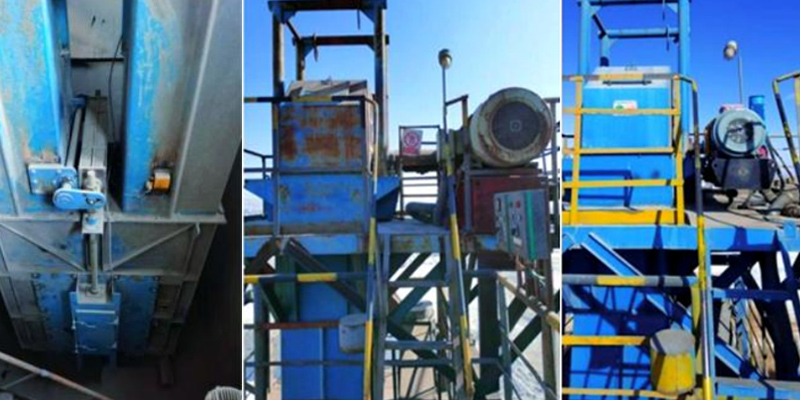
Conveyor drive units are the core power components of belt conveyor systems, composed of motors, gear reducers, mounting bases, and auxiliary connecting parts. They provide stable and sufficient torque power for horizontal conveying, inclined climbing, and vertical material lifting.
Our integrated conveyor drive assemblies feature stable operation, low energy consumption, and strong overload resistance. They perfectly match conventional flat belt conveyors, mobile conveyors, and corrugated sidewall steep-angle conveyors, meeting both small-scale workshop conveying and large-capacity port and mining bulk handling demands. The compact structural design simplifies installation, replacement, and daily maintenance, improving the overall operating efficiency of the conveyor line.
Conclusion
Complete belt conveyor systems require coordinated operation of professional conveyor parts, including conveyor belts, conveyor pulleys, conveyor idlers, conveyor rollers, and conveyor drive units. Each component plays an essential role in power transmission, belt support, material transportation, and system stability. Selecting high-quality, industrial-grade conveyor spare parts effectively reduces equipment failure rates, lowers maintenance costs, and prolongs the service life of bulk material handling systems. As a professional conveyor component manufacturer, Darko supplies full-series standard and custom conveyor parts with factory-direct prices and reliable quality for global industrial conveyor projects.