1. Introduction
2. Main Types of Industrial Dust‑Removal Equipment Used in Coal‑Preparation Plants
Plant supervisors pick hardware according to airborne‑dust density, coal‑particle size, ambient temperature and available floor space.
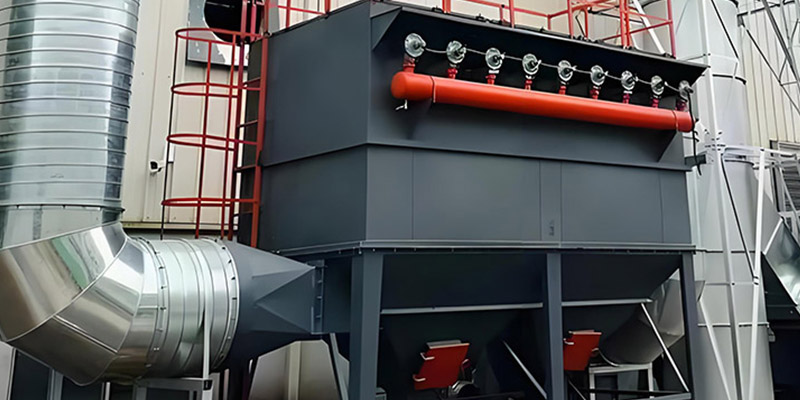
Today the pulse‑jet baghouse dust collector ranks as the top‑choice solution for large‑to‑medium‑scale coal‑preparation plants, favoured for consistent low‑emission output and affordable long‑run running costs.
3. Why a Baghouse Dust Collector Outperforms Wet‑Type Dust Scrubbers
3.1 Drawbacks of Wet‑Scrubber Dust Removal
Wet dust collectors capture particulates by spraying water over dusty airflow. This approach brings inherent downsides for coal‑washing sites.
Water runoff loaded with suspended coal fines generates polluted wastewater that cannot be discharged untreated. Settling tanks, filter presses and sludge‑handling workflows add extra labour and recurring expenses.
Wet scrubbers also struggle in cold weather. Frozen pipes, clogged nozzles and reduced dust‑capture efficiency frequently halt round‑the‑clock coal processing.
3.2 Key Benefits of Dry‑Style Baghouse Dust Collectors
- Zero wastewater and recyclable coal dust
No liquid waste or wet sludge forms during dry filtration. Collected coal powder can go straight back into your production cycle and cut raw‑material waste.
- Excellent capture rate for ultra‑fine dust
Specialised woven filter‑bag media catches micron‑sized coal particulates, keeping exhaust emissions steadily under environmental‑agency limits.
- Broad working‑condition adaptability
Freezing temperatures, humid air and seasonal shifts barely impact performance, enabling non‑stop year‑round operation.
- Cost‑friendly long‑term upkeep
Robust mechanical construction, fewer vulnerable parts and low breakdown frequency help you spend far less on ongoing repairs compared with wet scrubber systems.
4. Working Principle and Internal Structure of a Baghouse Dust Collector
4.1 Full Dust‑Filter Workflow
Dust‑laden air from your coal‑processing machinery flows inward through the unit’s air intake.
Expanded space within the bottom ash hopper slows airflow sharply. Heavy large‑size coal particles drop straight down under gravity and inertia.
Lighter fine‑dust air travels upward and passes through rows of fabric filter bags. Coal particulates stick to the outer bag surface while purified air pushes through the filter material and exits via the clean‑air exhaust port.
4.2 Pulse‑Jet Cleaning and Ash‑Discharge Cycle
As runtime increases, stacked dust layers thicken over filter‑bag exteriors. Thick dust builds‑up raises air resistance, cuts filtration speed and overloads the whole system.
Modern coal‑plant baghouse dust collector units rely primarily on pulse‑jet cleaning. Quick bursts of high‑pressure compressed air shake trapped coal dust loose from filter‑bag fabric. Older small‑scale facilities sometimes use mechanical vibration cleaners.
Dislodged dust falls into the ash hopper. Screw conveyors or rotary airlocks empty accumulated coal dust on a timed loop, letting the filtration process run non‑stop.
5. Common Baghouse Dust Collector Faults and Field‑Proven Troubleshooting
5.1 High Differential Pressure (the Most‑Encountered Filter‑Bag Fault)
Differential‑pressure readings serve as your main health indicator for filter‑bag conditions.
For coal‑plant pulse‑jet baghouse dust collector hardware:
‑ Brand‑new clean filter bags read 50–150 Pa
‑ Healthy stable operating pressure sits at 800–1200 Pa
‑ 2000 Pa acts as your critical safety threshold that demands inspection
- Slow‑rising differential‑pressure readings: Filter bags are blocked, caked or blinded by sticky coal dust. Schedule a shutdown for filter‑bag inspection and replacement.
- Sudden pressure spike above +500 Pa within minutes: Damaged filter bags, faulty pulse‑jet valves or an unexpected dust surge are the likely triggers. Stop equipment immediately for inspection.
Other contributing factors include broken pressure gauges, poorly‑tuned pulse‑jet cycles, stuck solenoid valves and recirculating secondary dust inside the hopper.
Work through your checklist: calibrate pressure sensors, tweak jet‑blow pressure and frequency, swap out worn components, perform dry‑air cleaning on mildly clogged bags, replace heavily blinded filters and routinely empty ash hoppers to stop re‑circulating dust.
5.2 Insufficient Fan Airflow
Low fan output and reduced motor amperage signal weak suction power.
Root causes cover excessive system pressure, dust‑clogged air ducts, half‑open dampers or reversed fan rotation.
Clear dust deposits from ductwork, double‑check fan motor wiring and drive belts, fully open regulating dampers and fine‑tune static‑pressure settings to restore rated airflow capacity.
5.3 Dust Escape and Stack Ash Bleed‑Through
5.4 Auxiliary‑Component Breakdowns
- Clean fan‑wheel buildup and replace worn bearings for vibration
- Trace and repair air‑pipe leaks and blockages for compressed‑air issues
- Install inlet guards and regulate hot‑gas intake to stop filter‑bag burn‑through and corrosion
- Add shell insulation and run post‑shutdown delayed air‑blows to beat internal condensation
- Fit hopper vibrators and maintain consistent ash discharge to eliminate material bridging
6. Standard Routine‑Maintenance Schedule for Your Baghouse Dust Collector
- Daily inspection
Check pulse‑jet valves, ash‑discharge rotary valves and fan operation. Track real‑time differential‑pressure data and watch exhaust‑stack conditions to spot early‑stage faults.
- Weekly service
Run manual pulse‑jet cleaning cycles, inspect filter‑bag surfaces for rips and heavy dust caking and wipe away loose surface dust.
- Monthly overhaul
Inspect tube‑sheet sealing, fully clear leftover hopper dust, recalibrate pressure transmitters and fine‑tune pulse‑jet controller parameters.
- Year‑long comprehensive overhaul
Carry out full equipment teardown inspection. Swap aged filter bags, springs and rubber seals.
Under typical coal‑dust conditions filter‑bags last 8–18 months, metal bag‑frames last roughly 24 months and a well‑cared‑for baghouse dust collector can serve over 10 years. Stick to your replacement timetable for steady dust‑removal efficiency and safe plant operation.
7. Final Conclusion
Dry fabric‑filter technology outperforms wet scrubbers on dust‑material recycling, weather‑resilient operation and affordable long‑term maintenance.
Consistent daily inspections, carefully calibrated pulse‑jet settings, timely fault repairs and scheduled filter‑bag swaps keep your dust‑control system running efficiently. Master baghouse dust collector workflows and maintenance standards to cut maintenance expenses, avoid environmental fines, prevent unplanned shutdowns and build‑up safe, eco‑friendly, high‑yield coal‑preparation operations.