Pozzolana cement, also known as Portland Pozzolana Cement (PPC), is one of the most widely adopted blended hydraulic cements for low-carbon and durable infrastructure worldwide. It is extensively used in marine construction, mass concrete projects, water conservancy facilities and general building works. Civil engineers, construction contractors and cement plant operators frequently look for practical answers about its chemical mechanism, strength performance, curing rules, raw material selection and manufacturing challenges.
For the full technical overview, visit our guide:What is Pozzolana Cement? A Complete Guide
1. What is pozzolana cement?
Definition and Basic Introduction
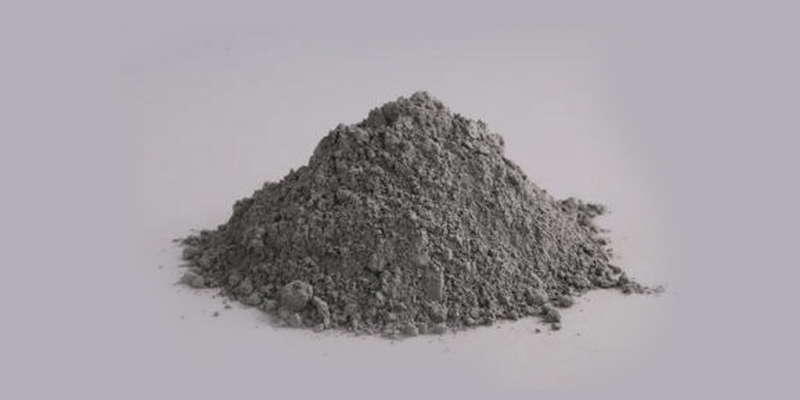
Pozzolana cement, or Portland Pozzolana Cement (PPC), is a blended hydraulic cement manufactured by grinding or homogenizing Portland cement clinker, pozzolanic materials and a small amount of gypsum. The proportion of pozzolanic materials normally ranges from 15% to 35% by mass, complying with global cement standards including IS 1489, EN 197‑1 and ASTM C595.
The term “pozzolana” originates from Pozzuoli, Italy. Ancient Romans mined volcanic ash near this town and mixed it with lime to create hydraulic binders that harden even under water. Many Roman concrete structures, such as the Pantheon, have survived more than 2000 years thanks to pozzolanic materials.
Unlike Ordinary Portland Cement (OPC), PPC develops long-term strength through a secondary chemical reaction called the pozzolanic reaction, which greatly improves concrete durability.
Chemical Composition of Pozzolana Cement
The core chemical components of PPC come from clinker, pozzolans and gypsum:
- Tricalcium silicate (C₃S), Dicalcium silicate (C₂S): Main strength-bearing minerals from cement clinker
- Reactive silica (SiO₂) and reactive alumina (Al₂O₃): Active components from pozzolanic materials
- Calcium sulfate (from gypsum): Controls cement setting time
- Calcium hydroxide (Ca(OH)₂): Hydration product of clinker, consumed by pozzolanic reaction
The chemical composition varies significantly depending on the type of pozzolan added, such as fly ash, calcined clay or natural volcanic ash. Raw material quality control is essential for cement plants to maintain stable PPC performance.
How Does Pozzolana Cement Harden?
Cement hardening happens in two stages: Primary hydration: Clinker reacts with water quickly, generating initial strength and calcium hydroxide.
Secondary pozzolanic reaction: Active silica and alumina in pozzolans react with calcium hydroxide under moist conditions to form extra C‑S‑H gel.
This secondary reaction proceeds slowly and continuously for months after casting, densifying the concrete matrix and improving long-term performance.
Physical Properties of Pozzolana Cement
Key physical characteristics of well-produced PPC:
- Fineness: Controlled by grinding process, finer powder improves pozzolan reactivity
- Initial & final setting time: Longer than OPC in most formulations
- Heat of hydration: Significantly lower than OPC
- Compressive strength: Lower early strength; 28-day strength meets standard requirements; 90-day strength exceeds OPC under proper curing
- Permeability: Low permeability after long-term curing
Types of Pozzolana Materials Used in PPC
Pozzolanic materials are divided into natural and artificial groups:
Natural pozzolans: Volcanic ash, pumice, tuff, diatomaceous earth. Quality fluctuates by quarry.
Artificial pozzolans: Fly ash, calcined clay, metakaolin, silica fume. More stable quality for modern cement production.
Why Is Pozzolana Cement Important?
PPC is a strategic low-carbon cement product for the global cement industry. It reduces clinker consumption, cuts carbon emissions, reuses industrial solid waste and delivers superior durability for harsh construction environments. For cement manufacturers, PPC expands raw material options and helps meet increasingly strict carbon regulations.
2. What is the pozzolanic reaction in cement?
Basic Definition of Pozzolanic Reaction
A pozzolan is a siliceous or siliceous-aluminous material that has little or no cementitious value on its own. In the presence of water and calcium hydroxide (Ca(OH)₂), it undergoes a chemical reaction to form stable C‑S‑H gel, which contributes to concrete strength and density. This chemical process is known as the pozzolanic reaction.
Chemical Reaction Formula
Simplified chemical equation: Ca(OH)₂ + Reactive SiO₂ + H₂O → Calcium Silicate Hydrate (C‑S‑H gel)
The reaction only occurs when moisture is continuously available. If concrete dries out early, the pozzolanic reaction stops permanently.
How Pozzolanic Reaction Improves Concrete Microstructure
When OPC hydrates, calcium hydroxide forms large crystals inside concrete pores. These crystals are weak, soluble and vulnerable to chemical attack. During pozzolanic reaction, Ca(OH)₂ is gradually consumed. Newly generated C‑S‑H gel fills capillary pores, reduces porosity and blocks the penetration of water, chloride and sulfate ions.
Factors That Affect the Rate of Pozzolanic Reaction
Several key factors control reaction speed:
- Moisture condition: Continuous moist curing is mandatory
- Temperature: Higher temperature accelerates the reaction
- Fineness of pozzolan: Finer particles have higher reactivity
- Reactivity of pozzolan raw material: Silica fume > metakaolin > fly ash > natural volcanic ash
- Ca(OH)₂ concentration from clinker hydration
Industrial Significance of Pozzolanic Reaction
The pozzolanic reaction is the fundamental reason why PPC is widely used in marine, wastewater and mass concrete projects. Understanding this reaction helps civil engineers design concrete mix and determine curing schedules. Cement plant engineers rely on this principle to select raw materials and optimize grinding systems.
Final Summary
The pozzolanic reaction is a secondary hydration process. It converts weak calcium hydroxide into stable strength-giving C‑S‑H gel, improving concrete long-term strength, impermeability and chemical resistance. Without sustained moisture, this beneficial reaction cannot proceed.
3. What is the difference between Pozzolana Cement (PPC) and Ordinary Portland Cement (OPC)?
Composition Difference
OPC consists almost entirely of Portland cement clinker plus a small amount of gypsum. PPC contains clinker, gypsum plus 15–35% pozzolanic materials such as fly ash or calcined clay.
Strength Development
OPC: Fast early strength gain at 3-day and 7-day ages. Ideal for fast formwork removal.
PPC: Slow early strength. 28-day strength reaches standard grade; 90-day strength continues rising and can surpass OPC with good curing.
Hydration Heat and Thermal Cracking Risk
OPC releases high hydration heat during early hydration. In mass concrete, temperature rise may cause thermal cracks. PPC has much lower heat of hydration, making it the preferred cement for dams, raft foundations and thick concrete structures.
Durability Performance
PPC outperforms OPC in the following aspects:
- Better resistance to sulfate attack
- Higher resistance to chloride ion penetration (protects steel reinforcement)
- Stronger suppression of alkali-silica reaction (ASR) expansion
- Lower permeability after long-term curing
OPC has higher calcium hydroxide content in its hydrated matrix, making it more vulnerable to chemical erosion.
Carbon Footprint
Clinker production accounts for most CO₂ emissions in cement manufacturing. PPC replaces part of clinker with pozzolan materials, reducing carbon emissions by 15–30% compared to OPC.
Application Scenarios Comparison
✅ PPC: Mass concrete, marine structures, sewer works, sulfate-rich soil, low-carbon buildings ✅ OPC: Fast-track construction, emergency repair, precast concrete with fast demolding, cold weather construction without temperature control
Summary Table: PPC vs OPC
| Property | PPC | OPC |
|---|---|---|
| Main Composition | Clinker + pozzolan + gypsum | Clinker + gypsum |
| Early Strength | Low | High |
| Long-term Strength | Continues to rise for months | Stable after 28 days |
| Heat of Hydration | Low | High |
| Sulfate / Chloride Resistance | Excellent | Moderate |
| CO₂ Emission | 15–30% lower | Higher |
| Curing Requirement | Minimum 14 days moist curing | Minimum 7 days moist curing |
4. What raw materials are used to produce pozzolana cement?
Portland Cement Clinker
Clinker is the core hydraulic component of PPC. It is produced by heating limestone, clay and iron ore in a rotary kiln above 1450°C. Clinker hydrates quickly with water and releases calcium hydroxide to support the pozzolanic reaction. Clinker quality directly determines PPC early strength.
Pozzolanic Materials
Pozzolans are divided into natural and artificial categories:
Natural pozzolans: Volcanic ash, pumice, tuff, diatomaceous earth. Naturally formed volcanic deposits, but chemical composition varies between quarries.
Artificial pozzolans: Fly ash: By-product from coal-fired power plants, most widely used globally. Spherical particles improve concrete workability.
Calcined clay / metakaolin: Thermally activated clay, high reactivity, used in regions with limited fly ash supply.
Silica fume: Ultra-fine powder with extremely high reactivity, mainly used for high-performance concrete.
Gypsum
Gypsum is added during cement grinding to control setting time. It prevents flash set caused by rapid hydration of tricalcium aluminate in clinker. The typical gypsum dosage is 3–5%.
Raw Material Quality Control for Cement Plants
Raw material testing is critical for PPC production:
- Chemical analysis of pozzolan for reactive silica and alumina content
- Moisture content test
- Fineness and reactivity test
- Impurity detection (magnesia, alkali content)
Unstable pozzolan reactivity will cause fluctuation in cement strength and setting time.
Processing Requirements for Raw Materials
Pozzolan materials often need drying and fine grinding. Vertical roller mills are widely used in modern cement plants because they can dry, grind and classify pozzolan and clinker together with low power consumption. Precise dosing systems ensure stable mixing ratio of clinker, pozzolan and gypsum.
Summary Table of PPC Raw Materials
| Raw Material | Main Function | Notes |
|---|---|---|
| Cement Clinker | Provides early hydration and Ca(OH)₂ | Kiln quality controls early strength |
| Pozzolanic Material | Participates in pozzolanic reaction, improves durability | Natural pozzolans have variable reactivity |
| Gypsum | Regulates cement setting time | 3–5% typical addition rate |
5. What are the physical and mechanical properties of pozzolana cement concrete?
Compressive Strength
PPC concrete gains strength gradually. 3-day & 7-day compressive strength: Lower than OPC concrete
28-day strength: Meets the required strength grade
90-day and later strength: Keeps growing and may exceed OPC, provided sufficient moist curing
Permeability and Water Absorption
As pozzolanic reaction proceeds, secondary C‑S‑H gel fills capillary pores. The concrete matrix becomes denser, water absorption and permeability drop significantly. This property makes PPC suitable for hydraulic structures.
Drying Shrinkage and Cracking Risk
PPC does not inherently cause more shrinkage cracking. Fly ash-based PPC generally shows good volume stability. Natural pozzolans may bring higher drying shrinkage if improperly proportioned. The most common cracking issue in PPC concrete comes from insufficient curing rather than material defects.
Resistance to Alkali-Silica Reaction (ASR)
PPC can effectively suppress ASR expansion. The pozzolan consumes calcium hydroxide and binds alkali ions inside the matrix, preventing alkali from reacting with reactive silica in aggregates. It is a good option when reactive aggregates must be used.
Sulfate Resistance
PPC concrete resists sulfate attack much better than OPC concrete. Sulfate ions react with calcium hydroxide to form expansive crystals. Since pozzolanic reaction reduces free Ca(OH)₂, sulfate-induced expansion and damage are minimized.
Setting Time and Workability
PPC normally has longer initial and final setting time than OPC. Fly ash pozzolan improves concrete workability and pumpability, reduces bleeding and segregation thanks to spherical particle morphology.
Summary Table of PPC Concrete Properties
| Property | Performance | Key Notes |
|---|---|---|
| Early Compressive Strength | Lower | Delay formwork stripping |
| Long-term Strength | Continuous increase | Requires adequate curing |
| Permeability | Low after long curing | Ideal for water retaining structures |
| ASR Resistance | Good | Reduces risk of aggregate expansion |
| Sulfate Resistance | Excellent | Suitable for sulfate contaminated soil |
| Workability | Good (fly ash PPC) | Better pump performance |
6. What is pozzolana cement used for?
Mass Concrete Structures
Mass concrete includes dams, large bridge piers, thick raft foundations and heavy equipment bases. Low hydration heat of PPC reduces thermal stress and temperature cracking risk. This is one of its most important applications.
Marine and Coastal Construction
PPC concrete resists chloride penetration, protecting steel reinforcement from corrosion. Typical projects: ports, seawalls, breakwaters, coastal retaining walls.
Wastewater and Water Conservancy Projects
Sewage pipes, wastewater treatment tanks, reservoirs, canals and water tanks are often built with PPC. It resists sulfate and acidic medium erosion and has low permeability.
General Residential and Commercial Buildings
PPC can be used for foundation concrete, floor slabs, masonry mortar and plastering in humid regions. It provides good long-term durability for ordinary buildings.
Green and Low-Carbon Construction Projects
PPC reduces clinker consumption and carbon footprint, which helps projects obtain green building certifications. It also recycles industrial solid waste such as fly ash.
Scenarios Where PPC Is Not Recommended
PPC is not the best choice for the following works:
- Projects requiring very high early strength and fast formwork removal
- Emergency structural repair works
- Precast factories with fast demolding cycle
- Cold weather construction without temperature protection
Summary Table: PPC Application Guide
| Application Area | Core Benefit |
|---|---|
| Mass concrete dams & foundations | Low hydration heat, anti-thermal cracking |
| Marine & coastal structures | Chloride corrosion protection |
| Sewage & water projects | Sulfate resistance, low permeability |
| Residential & commercial building | Good durability and cost efficiency |
| Low-carbon green building | Reduce CO₂ emissions |
7. Does pozzolana cement require longer curing?
Why Curing Is Critical for PPC
The pozzolanic reaction cannot take place without continuous moisture. OPC hydration mainly completes within the first week. But the secondary pozzolanic reaction needs water for weeks or even months. If PPC concrete loses moisture early, the chemical reaction stops permanently, resulting in poor long-term strength and durability.
Recommended Minimum Curing Period
OPC concrete: Minimum 7 days moist curing
PPC concrete: Minimum 14 days moist curing
In hot, dry, windy or high-temperature environments, longer curing time (21 days) is strongly recommended.
Common Curing Methods for PPC Concrete
- Water spraying: Regular spraying to keep surface wet
- Wet covering: Wet hessian cloth or geotextile covering
- Curing membrane: Liquid curing compound to seal moisture inside concrete
Common Mistakes in PPC Curing
- Stopping curing after 7 days, same practice as OPC
- Exposing fresh PPC concrete to strong sun and wind without protection
- Only surface watering with insufficient frequency
These mistakes are the top cause of field complaints about poor PPC concrete performance.
How to Optimize PPC Mix to Reduce Curing Sensitivity
Engineers can optimize mix design:
- Properly adjust water-binder ratio
- Select high-reactivity pozzolan
- Add compatible water-reducing admixtures
Even with optimized mix, adequate moist curing remains essential.
Summary
PPC concrete requires longer and stricter moist curing than OPC. 14 days is the standard minimum curing period. Short curing will permanently limit its long-term strength and durability.
8. What are the advantages of pozzolana cement?
- Superior Long-Term Durability: PPC concrete becomes denser over time, resisting chloride, sulfate and alkali-aggregate reaction. It extends the service life of infrastructure and reduces maintenance cost.
- Low Heat of Hydration: Low hydration heat eliminates thermal cracking risk in large mass concrete, avoiding expensive cooling measures.
- Low Carbon Emissions: PPC replaces clinker with pozzolan materials, cutting CO₂ emissions during cement production and utilizing industrial waste.
- Good Concrete Workability: Fly ash-based PPC improves flowability, pumpability and reduces bleeding and segregation, making construction easier.
- Low Permeability: Continuous pozzolanic reaction refines pore structure, lowering water and ion ingress, protecting embedded steel reinforcement.
- Cost-Effective in Long Run: Although early construction speed is slower, PPC structures have longer service life and less maintenance. The total life-cycle cost is lower for long-term infrastructure projects.
9. What are the disadvantages and limitations of pozzolana cement?
- Low Early Strength: PPC gains strength slowly at early ages. Formwork stripping time must be extended, slowing construction progress. This makes it unsuitable for fast-track construction.
- High Sensitivity to Curing: PPC performance heavily depends on continuous moist curing. Poor curing will lead to permanent loss of strength and durability.
- Raw Material Quality Variability: Natural pozzolans and fly ash have variable reactivity and chemical composition. Cement plants must carry out strict incoming material inspection to stabilize product quality.
- Longer Setting Time: Most PPC formulations have longer setting time. In cold weather, setting may be excessively delayed without admixtures.
- Not Suitable for Fast Precast & Emergency Repair: Precast factories relying on rapid demolding and emergency repair works usually choose OPC or rapid-hardening cement instead of PPC.
Summary Table of PPC Limitations
| Limitation | Practical Construction Impact |
|---|---|
| Low early strength | Delay formwork removal |
| Curing sensitive | Must maintain moist condition for ≥14 days |
| Variable pozzolan quality | Requires strict raw material testing |
| Longer setting time | Risk of slow hardening in cold weather |
10. What challenges do cement plants face when producing pozzolana cement?
Raw Material Variability
Pozzolan reactivity, moisture content and chemical composition fluctuate batch by batch. Cement plants need continuous incoming testing and adjust formulation accordingly.
Drying of Wet Pozzolan Materials
Fly ash and natural pozzolans often carry high moisture. Wet material reduces grinding efficiency and may block feeding systems. Vertical roller mills can integrate drying function using kiln waste heat, solving this problem efficiently.
Precise Proportioning Control
Stable dosing of clinker, pozzolan and gypsum is critical. Small dosage errors will cause fluctuation in strength and setting time. High-precision weighing feeders are required.
Fineness and Reactivity Control
Grinding fineness directly unlocks pozzolan reactivity. Insufficient grinding results in low reactivity and poor PPC performance. Over-grinding consumes excessive power.
Product Quality Consistency
Cement plants need regular testing of finished PPC: fineness, setting time, soundness, compressive strength. Quality control routines must cover hourly and daily sampling.
Equipment Selection for PPC Production
Ball mills and vertical roller mills can both be used for PPC grinding. Vertical roller mills have advantages: combined drying, grinding and classification, lower power consumption, better adaptability to wet pozzolan raw materials. Dust collection systems are required to meet environmental emission standards.
Final Conclusion
Pozzolana cement (PPC) is a mature blended cement that balances long-term durability, low hydration heat and carbon reduction benefits. Its unique performance comes from the pozzolanic secondary reaction, which consumes calcium hydroxide and generates stable C‑S‑H gel. PPC has clear advantages in marine, mass concrete, wastewater and low-carbon construction projects. However, engineers must understand its limitations: slower early strength gain and strict moist curing requirements. For cement manufacturers, stable raw material control, optimized grinding equipment and precise batching are essential to produce consistent high-quality pozzolana cement.