
A cement production line is a complete integrated industrial system designed for large-scale, automated cement manufacturing. It combines professional processing equipment and standardized production techniques to convert raw mineral materials such as limestone, clay, and gypsum into qualified commercial cement. As the core infrastructure of modern cement plants, a full dry-process cement production line covers raw material crushing, pre-homogenization, raw meal grinding, preheating, clinker calcination, clinker cooling, finish grinding, and finished product storage and packaging.
Unlike single cement processing machinery, a complete cement production line supports continuous, stable, and high-efficiency manufacturing. It covers flexible production capacities ranging from 1000 TPD to 10000 TPD, ensuring stable product quality and controllable energy consumption. Cement production lines are widely applied in new cement plant construction, old factory renovation, and industrial cement manufacturing projects. This article elaborates on cement production principles, core systems, standard equipment configurations, operational advantages, and key differences between common cement production solutions.
Dry Process vs Wet Process Cement Production Line: Key Differences
Nearly all modern cement plants adopt the dry-process cement production line, while traditional wet-process production lines have been gradually phased out due to high energy consumption, low efficiency, and unstable product quality. The fundamental difference lies in water addition during raw meal preparation, which directly determines production energy consumption, output capacity, environmental performance, and cement quality stability.
|
Comparison Item
|
Dry Process Cement Production Line
|
Wet Process Cement Production Line
|
|---|---|---|
|
Raw Material Treatment
|
Grind raw materials into dry powder without water addition
|
Mix raw materials with 30%-40% water to form wet slurry
|
|
Energy Consumption
|
Low energy consumption; no heat loss from water evaporation; waste heat recyclable
|
Extremely high energy consumption; massive heat required for slurry drying
|
|
Production Efficiency
|
Stable continuous operation, ideal for large-scale mass production
|
Long production cycle and slow curing, resulting in low overall efficiency
|
|
Product Quality Stability
|
Uniform raw meal composition, stable clinker sintering, controllable cement strength
|
Easily affected by moisture fluctuation, leading to unstable cement strength and quality
|
|
Industry Application Status
|
Mainstream and standard solution for modern cement factories
|
Eliminated in new projects; only exists in a few outdated old plants
|
8 Core Systems of a Complete Cement Production Line
A standard dry-process cement production line consists of eight interconnected and independent functional systems. The coordinated operation of all systems ensures low energy consumption, high output, low dust emission, and stable cement quality in large-scale production.
1. Raw Material Crushing and Pre-Homogenization System
Limestone, the primary raw material for cement production, is mined in large block sizes. This system uses jaw crushers and impact crushers for coarse and fine crushing to control raw material particle size below 60mm, meeting feeding standards for subsequent grinding equipment. Through professional stacking and reclaiming technology in the raw material yard, raw material pre-homogenization is realized to balance the chemical composition of different batches of limestone. This effectively avoids quality fluctuations caused by unstable raw materials and lays a solid foundation for consistent cement production.
2. Batching and Raw Meal Grinding System
According to the formula standards for different cement grades, high-precision electronic belt scales automatically proportion limestone, clay, iron ore, and auxiliary materials in accurate ratios. The mixed materials are sent to vertical mills or ball mills for integrated drying and ultra-fine grinding. Vertical roller mills integrate grinding, drying, and powder selection, featuring small floor space and low power consumption, making them the mainstream grinding equipment in modern cement plants. Qualified ground raw meal is stored in homogenization silos for secondary mixing to ensure uniform chemical composition.
3. Preheating and Pre-Decomposition System
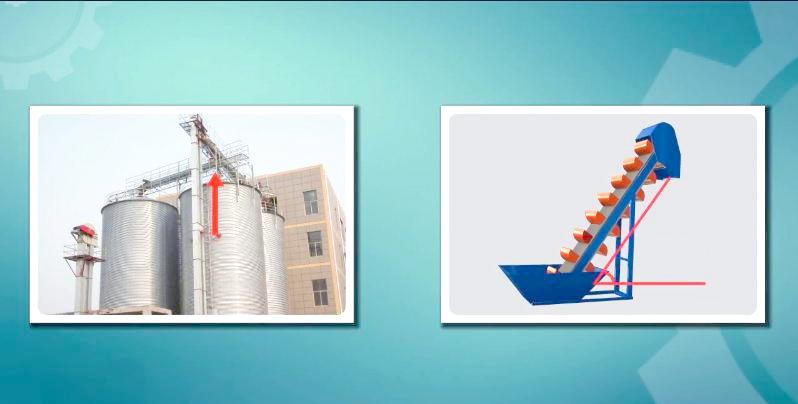
This system is the core energy-saving and efficiency-boosting module of the entire cement production line. Raw meal is lifted to the top of cyclone preheaters by bucket elevators and conducts countercurrent heat exchange with high-temperature flue gas discharged from the rotary kiln for preheating. The decomposition furnace further heats and decomposes raw materials in advance, completing 60% to 70% of carbonate decomposition. This process greatly reduces the operational load of the rotary kiln, shortens the sintering cycle, and significantly improves overall thermal efficiency.
4. Rotary Kiln Clinker Calcination System
The rotary kiln serves as the core calcination equipment of the cement production line. The inclined kiln body rotates at a low speed, pushing raw meal from the kiln tail to the kiln head. Under a high temperature range of 1300℃ to 1450℃, raw materials undergo complex physical and chemical reactions and are finally sintered into qualified cement clinker. Equipped with a variable frequency speed regulation system, the rotary kiln can adjust rotation speed flexibly according to production capacity and raw material conditions, preventing under-burning and over-burning and ensuring stable clinker quality.
5. Clinker Cooling and Waste Heat Recovery System
High-temperature clinker discharged from the rotary kiln exceeds 1300℃ and is rapidly cooled below 100℃ by a grate cooler. Quench cooling optimizes the mineral structure of clinker, effectively improving the later strength and durability of finished cement. Meanwhile, the high-temperature waste heat generated during cooling is recycled and reused for raw material drying, coal powder drying, and waste heat power generation. This energy recycling system reduces the overall energy consumption of the cement production line by 15% to 20%.
6. Coal Powder Preparation and Combustion System
To provide stable and reliable heat sources for rotary kiln calcination, the cement production line is equipped with an independent coal powder preparation system. Raw coal is ground and dried into qualified fine coal powder through professional coal mills. The system is equipped with complete dust removal, explosion-proof, CO monitoring, alarm, and nitrogen fire extinguishing devices to eliminate flammable and explosive risks of coal powder, ensuring safe, stable, and standard fuel supply for high-temperature sintering.
7. Cement Finish Grinding System
Qualified cooled clinker is proportionally mixed with gypsum (setting regulator), slag, fly ash, and other mineral admixtures according to cement product standards. The mixture is delivered to cement mills for ultra-fine finish grinding. The industry-prevalent ball mill + roller press combined grinding process features high grinding efficiency and low unit power consumption. It can precisely control cement fineness and specific surface area, meeting the production requirements of ordinary Portland cement, composite cement, and various other cement types.
8. Finished Product Storage, Packaging and Dust Removal System
Finished cement after grinding is transported to sealed cement silos for aging treatment and strict quality inspection. Qualified cement products are delivered in two mainstream methods: 25kg/50kg bagged packaging and bulk transportation via cement tank trucks. The entire production line is equipped with multi-stage high-efficiency dust removal systems, controlling flue gas dust emission concentration below 30mg/Nm³ to fully meet international environmental protection standards and realize green cement manufacturing.
Full List of Core Cement Production Line Equipment
The complete set of dry-process cement production line equipment covers all production links including crushing, conveying, grinding, calcination, cooling, environmental protection, and automatic control:
-
Crushing Equipment: Jaw crusher, impact crusher, hammer crusher
-
Grinding Equipment: Raw material vertical mill, cement ball mill, roller press, coal mill
-
Calcination & Cooling Equipment: Suspension preheater, decomposition furnace, cement rotary kiln, grate cooler
-
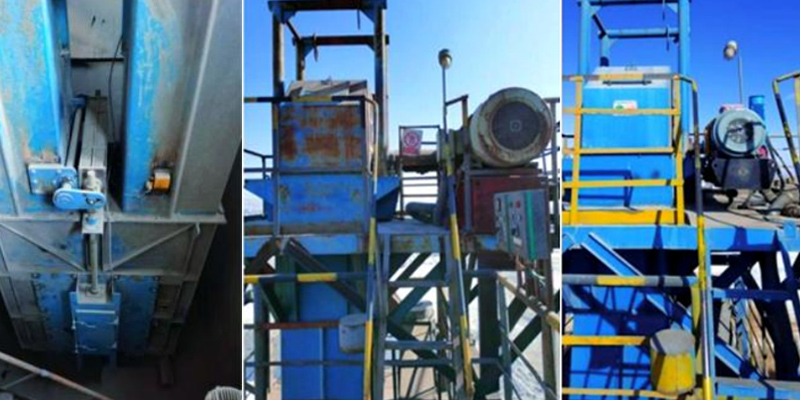
Conveying Equipment: Bucket elevator, belt conveyor, screw conveyor
-
Environmental Protection Equipment: High-temperature bag dust collector, complete flue gas treatment system, cyclone dust collector, cartridge dust collector
-
Automatic Control Equipment: PLC & DCS centralized automatic control system, real-time online monitoring device
Core Advantages of Modern Dry-Process Cement Production Lines
Compared with traditional wet-process technology and outdated production equipment, modern dry-process cement production lines have comprehensive advantages in production capacity, product quality, energy saving, environmental protection, and operation management:
-
High Automation & Stable Output: Centralized intelligent control reduces manual intervention, supporting 24-hour continuous stable production with high product qualification rate
-
Low Energy Consumption & Cost-Effective Operation: Waste heat recovery and high-efficiency grinding systems greatly reduce coal and power consumption, delivering long-term operational cost advantages
-
Stable & High-Quality Cement Performance: Multi-stage homogenization, precise batching, and stable calcination ensure uniform cement strength, strong weather resistance, and fewer cracking and sanding problems
-
Eco-Friendly & Compliance Guaranteed: Closed production and multi-stage efficient dust removal reduce dust and exhaust emissions, complying with global environmental protection policies
-
Strong Adaptability & Flexible Adjustment: Production capacity and raw material formulas can be adjusted flexibly to adapt to diverse raw material conditions and multiple cement product types
Cement Production Line vs Cement Grinding Station: Main Differences
Many investors confuse a complete cement production line with a cement grinding station. These two cement manufacturing solutions differ greatly in investment scale, production function, and application scenarios:
-
Complete Cement Production Line: Covers the full production process from raw material crushing to finished cement packaging. It can independently sinter clinker and produce finished cement, featuring large production capacity and high investment, suitable for large-scale new cement plant projects
-
Cement Grinding Station: No clinker calcination process. It only purchases finished clinker for secondary grinding and deep processing, with low investment and flexible operation, ideal for small and medium-sized regional cement processing projects
How Cement Is Made: Complete Manufacturing Principle
Cement manufacturing is a sophisticated thermal and physicochemical process that converts natural mineral raw materials into hydraulic cement powder with high bonding strength. The entire manufacturing process follows standardized industrial principles. First, raw materials such as limestone, clay, and iron ore are crushed, precisely proportioned, and ground into homogeneous raw meal powder. The uniform raw meal is preheated and partially decomposed through cyclone preheaters and decomposition furnaces to reduce the operational load of the rotary kiln. After pre-treatment, the raw meal enters the rotary kiln and undergoes high-temperature sintering at 1300℃ to 1450℃, completing carbonate decomposition, mineral crystallization, and phase transformation to form rigid cement clinker. The high-temperature clinker is rapidly cooled by a grate cooler to stabilize its internal mineral structure and enhance cement strength and durability. Finally, the qualified cooled clinker is mixed with gypsum and mineral admixtures and finely ground into standard finished cement powder. The final cement product can harden steadily in both air and water, making it the most essential hydraulic binding material for the global construction industry.
Frequently Asked Questions (FAQs)
1. What is the most mainstream type of cement production line?
The 5000 TPD dry-process cement production line is the most popular and standard model worldwide. It features mature technology, moderate production capacity, low energy consumption, and stable return on investment, suitable for most new construction and renovation projects of cement plants.
2. How long does it take to build a complete cement production line?
A standard 5000 TPD cement production line takes 12 to 18 months from equipment installation and commissioning to formal production. Small and medium-sized production lines below 2500 TPD can be put into operation within 8 to 12 months.
3. What key factors affect cement production line efficiency and output?
The core influencing factors include raw material stability, equipment matching degree, preheating and decomposition efficiency, rotary kiln temperature control, waste heat recovery efficiency, and daily operation and maintenance management. Standardized and professional operation can effectively increase production capacity and reduce energy consumption.
4. Is dry-process cement production more environmentally friendly?
Yes. The dry cement production process requires no water addition, avoiding massive heat loss from water evaporation. Equipped with full-process dust removal and waste heat recovery systems, it achieves lower energy consumption and pollutant emissions, fully meeting global low-carbon and green production standards.
5. What are the main raw materials for cement production?
Limestone accounts for 70%-75% of raw materials, providing calcium oxide as the core component. Clay supplies silicon and aluminum elements, while iron ore adjusts raw material ratios. Gypsum is used to control cement setting time, and slag and fly ash are widely applied as eco-friendly mineral admixtures.
Conclusion
A cement production line is a highly integrated modern industrial system covering raw material processing, high-temperature clinker calcination, precision finish grinding, and intelligent finished product storage and transportation. With the comprehensive advantages of high output, low energy consumption, stable quality, and eco-friendly performance, modern dry-process cement production lines have completely replaced traditional wet-process equipment and become the mainstream of the cement manufacturing industry.
For new project investment, old plant upgrading, and equipment renovation, a comprehensive understanding of cement production line system configuration, technological processes, and operational characteristics helps optimize project solutions, reduce operating costs, and improve overall economic benefits. With the global upgrading of industrial intelligence and low-carbon environmental protection policies, automated, energy-saving, and green cement production lines will remain the core development trend of the international cement manufacturing industry.