x
Send Your Inquiry Today
Quick Quote

Double Flap Valve: The Complete Selection & Troubleshooting Guide

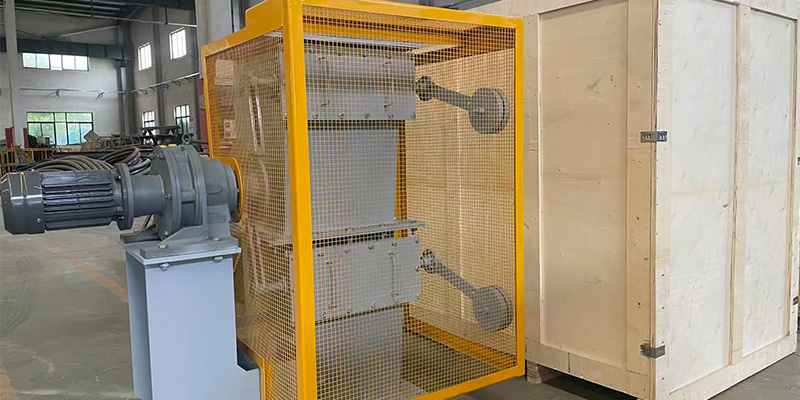
Electric motor‑driven double flap valve with safety guard for bulk material airlock discharge

In bulk solids handling, dust collection and pneumatic conveying systems, maintaining pressure balance while discharging powder, granules and abrasive materials is always a big challenge. Poor‑sealed discharge equipment often causes air leakage, dust back‑blowing, material blockage and reduced system efficiency. This is where a high‑performance double flap valve comes into play.

Also widely known as a double dump valve or double flap airlock valve, the double flap valve is a mechanical airlock device specially built for controlled bulk‑solid discharge under positive or negative pressure conditions. Unlike many other discharge valves, its unique two‑flap alternating‑opening design delivers excellent sealing performance with very low air leakage.
This guide covers everything you need to know about double flap valves: working principle, core advantages, typical applications, common types, key selection criteria, comparison with other valves, maintenance advice and frequent troubleshooting tips. Whether you are a plant engineer, procurement manager or system integrator, you will get practical reference for your next equipment project.

What Is a Double Flap Valve?

A double flap valve is a gravity‑operated or power‑driven airlock discharge valve, mainly installed under dust collector hoppers, cyclones, silos, bins and material chutes. Its core mission is to discharge bulk materials continuously while preventing cross‑airflow between the upper high‑pressure section and the lower‑pressure side of your processing system.
The name “double flap” comes from its two vertically stacked sealing flaps. During operation, the upper flap and lower flap will never open at the same time. One chamber always stays sealed to maintain the pressure difference, which is the secret of its reliable air‑locking performance.

Alternative names you may encounter in industrial procurement:

  • Double dump valve
  • Double flap airlock valve
  • Double flap gate valve
  • Two‑flap discharge valve

Note: Do not confuse the bulk‑handling double flap valve with the pipeline double‑flapper check valve, they serve completely different purposes.


How Does a Double Flap Valve Work?

The working cycle of a double flap valve can be broken down into 4 simple repeating steps:

Step 1: Material fills the upper chamber

Material from the silo or hopper falls down onto the closed upper flap. Weight builds up on the flap. The lower flap remains fully closed to seal air.

Step 2: Upper flap opens, material drops into the middle chamber

Once the material weight reaches the set threshold (counter‑weight design) or receives a pneumatic/electric signal, the upper flap opens. Material flows into the intermediate chamber between two flaps. The lower flap is still closed.

Step 3: Upper flap closes and re‑seals

After material falls into the middle section, the upper flap immediately shuts tight again, restoring the upper‑side air seal. At this moment, both flaps are closed for a short interval. No air can pass through the valve.

Step 4: Lower flap opens to discharge material
The lower flap then opens, releasing material out of the valve. After discharge finishes, the lower flap closes, and the whole cycle restarts.
By alternating opening and closing, the double flap valve realizes continuous material discharge without breaking the system’s pressure balance.
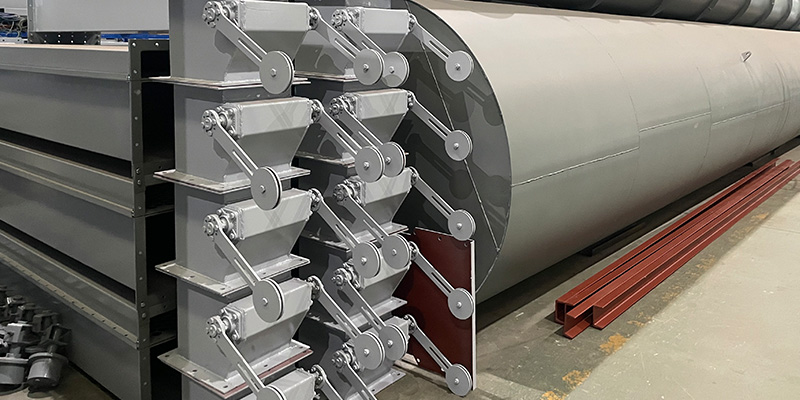
Gravity counter‑weight double flap valve for dust hopper airlock discharge

Key Benefits of Using a Double Flap Valve

Compared with single‑flap gates, rotary airlock valves and knife gate valves, a well‑built double flap valve provides unique strengths for bulk‑solids projects:
  1. Superior air‑locking sealing performance
    Two‑stage sealing drastically reduces air leakage. It works reliably under negative‑pressure dust extraction or positive‑pressure pneumatic conveying environments.
  2. Low risk of material blockage
    The large‑opening flap design suits powders, granules, pellets and even small lump materials. It avoids rotor jamming problems common with rotary valves.
  3. Simple, robust mechanical structure
    Fewer wearing components, easy‑to‑access sealing parts. Most counter‑weight models can run without complex drive systems.
  4. Wide temperature and abrasion resistance options
    Wear‑resistant liners, high‑temperature seals and stainless‑steel body materials are available for heavy‑duty industrial conditions.
  5. Cost‑effective long‑term operation
    Lower energy consumption and fewer breakdowns help you cut your plant’s maintenance and downtime costs.

Main Types of Double Flap Valves

You can classify double flap valves according to their driving mode:

Counter‑weight (Gravity Type) Double Flap Valve

The most common, cost‑effective solution. It runs purely depending on material weight and counter‑weight balance. No motor or pneumatic cylinder required. Best for fine powder and low‑abrasion dust discharge.

Pneumatic‑Driven Double Flap Valve

Flaps are controlled by air cylinders. Opening‑closing speed and cycle frequency are fully adjustable. Ideal for automated production lines, high‑volume discharge and heavy‑abrasion materials.

Electric Motor‑Driven Double Flap Valve

Suitable for sites with limited compressed‑air supply. Electric actuators control flap movement, easy to connect with PLC automatic control systems.

Top Industrial Applications for Double Flap Valves

Double flap valves are widely deployed across many bulk‑handling industries:

  • Cement, lime and gypsum processing plants (under cyclones and dust collector hoppers, cement silo outlets)
  • Power plant fly‑ash discharge
  • Mineral, mining and metallurgical powder handling
  • Chemical powder, granular raw‑material processing
  • Food & feed processing
  • Waste‑to‑energy and environmental dust‑removal systems
  • Pneumatic conveying systems for bulk solids
If your project needs to discharge material from a hopper while maintaining vacuum or pressure, a double flap valve is usually one of your top choices.

Double Flap Valve VS Rotary Airlock Valve: Which One Should You Choose?

Many engineers struggle between double flap valve and rotary star feeder valve. Here is a clear comparison table to speed‑up your decision‑making:
Comparison Item Double Flap Valve Rotary Airlock Valve
Air‑sealing performance Excellent, low leakage rate Medium, leakage rises as rotor wears
Block‑resistant ability Great, suitable for lumpy material Easy to jam with abrasive or large‑size particles
Maintenance cost Low, replaceable seal plates Higher, rotor wear needs full service
Discharge flow rate Medium‑intermittent discharge Continuous, stable high‑rate feeding
Price level Lower Medium‑high

Quick suggestion:

‑ Choose double flap valve: Dust hopper discharge, batch‑type discharge, abrasive powder, anti‑leakage is your top priority.

‑ Choose rotary airlock valve: You need continuous, precise, high‑volume feeding.

Critical Factors When Selecting a Double Flap Valve
Before placing an order, evaluate these 7 key parameters to avoid wrong‑specification purchases:
  1. Working pressure (positive / negative vacuum value)
    Confirm the pressure difference across the valve. This determines required sealing grade and body thickness.
  2. Material properties
    Check material type: powder, granule, lump; abrasiveness, moisture content, operating temperature. High‑abrasion materials need hardened wear plates.
  3. Required discharge capacity
    Calculate hourly throughput to decide valve inlet size (DN200, DN250, DN300 and other common flange sizes).
  4. Driving type: gravity, pneumatic or electric actuator
    Check if your workshop has compressed‑air resources and automation requirements.
  5. Body material
    Carbon steel for general dust; stainless‑steel 304 / 316 for corrosive, food‑grade materials.
  6. Seal material
    NBR, silicone or high‑temperature fluororubber seals for different temperature ranges.
  7. Flange connection standard
    Confirm PN rating and flange dimension standards to match your existing hopper outlet.

Double Flap Valve Maintenance & Best Practices

Proper maintenance will greatly extend your double flap valve service life:

  • Inspect flap sealing surfaces every 6 months, look for wear, scratches or deformation.
  • Check counter‑weight levers, hinges and pivot points to ensure flaps move flexibly without sticking.
  • Replace worn‑out sealing plates timely. Most seal parts can be replaced separately without removing the whole valve body.
  • For high‑moisture materials, prevent material build‑up and caking on flap surfaces.
  • Lubricate hinge shafts periodically according to manufacturer’s operation manual.

Common Double Flap Valve Troubleshooting

Problem 1: Excessive air leakage after installation

Possible causes: Worn‑out seals, misaligned flap closing, foreign particles stuck on sealing faces.

Solution: Clean sealing surface, replace damaged gaskets, adjust counter‑weight tension.

Problem 2: Material cannot discharge smoothly

Possible causes: Material bridging above the upper flap, too‑heavy counter‑weight, sticky wet material.

Solution: Install vibrator on hopper, reset counter‑weight, check material moisture level.

Problem 3: Flaps fail to open or close

Possible causes: Jammed debris, broken pneumatic cylinder, failed electric actuator.
Solution: Cut off power/air supply first, clear blockage and inspect drive components.

Frequently Asked Questions (FAQ)

Q1: What is the difference between a double flap valve and a knife gate valve?

A knife gate valve is mainly used for on‑off isolation, it cannot maintain an airlock during material discharging. A double flap valve is designed specifically for continuous discharge while sealing air pressure.

Q2: Can a double flap valve handle wet, sticky material?

Double flap valves perform best with dry, free‑flowing powder and granules. Very wet sticky materials may cause material build‑up on flaps and sealing failure.

Q3: What size options are available for double flap valves?

Common flange sizes cover DN150, DN200, DN250, DN300, DN400 and custom large sizes for heavy‑industrial applications.

Final Thoughts

A reliable double flap valve (double dump valve) is an economical, high‑performance airlock solution for bulk‑solid discharge. By picking the correct driving type, body material and size, you can effectively eliminate air‑leakage issues in your dust collection and pneumatic‑conveying systems, improve overall plant efficiency and cut long‑run maintenance costs.
If you are looking for custom‑built, heavy‑duty double flap valves for your bulk‑material‑handling project, our engineering team can provide you with professional technical support and tailored quotation. Contact us today to discuss your requirements.
Scroll to Top