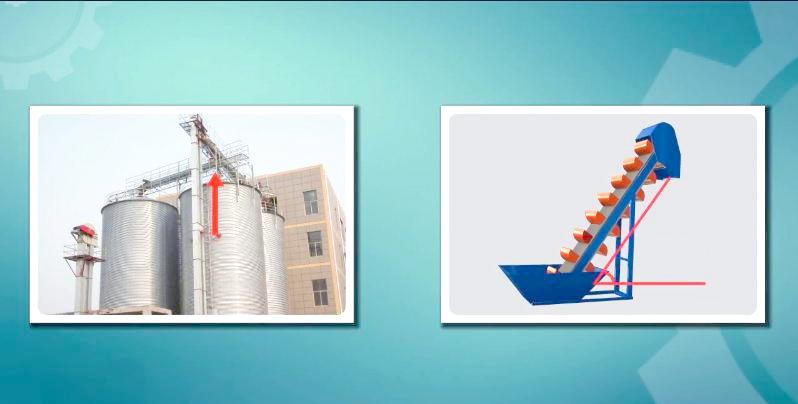

A shaftless screw conveyor handles materials that traditional shafted screw conveyors and belt conveyors cannot easily transport, including granular, powdery, viscous and tangle-prone materials. Featuring environmental friendliness, large conveying capacity, low energy consumption, long conveying distance and compact structure, it is widely used in chemical, building material and metallurgical industries. It is ideal for conveying low-viscosity, stable powders, particles and small lumps at an inclination below 20°.
In sludge treatment, kitchen waste disposal, powder and granular material conveying, shaftless screw conveyors are the most widely used conveying equipment due to their shaft-free design, anti-tangling performance and strong adaptability.
However, most site maintenance engineers and equipment purchasers encounter similar troubles: newly replaced shaftless spiral blades fail quickly, frequent material blocking and backflow, severe machine vibration and noise, gradual output decline, blade cracking and sudden startup jamming.
Many operators attribute these failures to natural equipment aging. In fact, over 90% of shaftless spiral blade faults result from incorrect model selection, poor manufacturing craftsmanship, inaccurate installation and mismatched working conditions. Improper daily maintenance and unreasonable parameter configuration are the real core reasons for frequent blade damage.
To help industry practitioners efficiently troubleshoot and avoid recurring failures, this article summarizes 8 frequent shaftless spiral blade faults based on on-site experience. We elaborate on symptoms, root causes and permanent solutions to help you optimize equipment operation, maintenance and selection.
1. Blade Cracking and Root Tearing (High-Load Common Fault)
Fault Symptoms
After a period of operation, the spiral blade edges crack and the plate surface gets damaged. The blade root is prone to tearing, and direct blade breakage often occurs under heavy loads, causing unexpected shutdowns and severely affecting production efficiency.
Main Causes
1. Insufficient blade plate thickness without central shaft support, resulting in low bearing capacity and poor heavy-load adaptability;
2. Excessive conveying inclination causes continuous material backflow due to gravity, keeping the blade under long-term overload tension and accelerating fatigue loss;
3. Misaligned and uneven segmented blade joints lead to concentrated stress at seams during operation, causing cumulative fatigue and tearing;
4. Materials mixed with sand, gravel and construction impurities produce continuous impact wear, reducing blade structural strength over time.
Permanent Solutions
For heavy-duty and impurity-rich working conditions, adopt thickened plates andhigh-manganese steel wear-resistant blades to enhance structural strength and impact resistance. For large-inclination conveying, increase motor power and blade outer diameter to offset backflow resistance. Strictly control segmented blade alignment to ensure integrated and smooth spiral operation and avoid local stress concentration.
2. Misaligned Segmented Joints & Large Seam Gaps (Top Craftsmanship Defect)
Fault Symptoms
The equipment operates with severe vibration and continuous abnormal noise. Materials frequently jam at blade joints, causing accelerated local wear, blade deformation and increased operating resistance.
Main Causes
Unprofessional manufacturers lack precision tooling and unified production standards. Inconsistent pitch, outer diameter and phase parameters lead to disjointed spiral trajectories and stepped seams after assembly, destroying overall operational stability.
Permanent Solutions
Adopt CNC integral calibration technology for blade manufacturing. All segmented blades are produced with unified parameters and precise alignment to achieve seamless joints and smooth spiral surfaces. This fundamentally eliminates vibration, noise, material jamming and local wear, greatly improving equipment stability.
3. Material Blocking & Backflow (Frequent Maintenance Fault)
Fault Symptoms
Fast feeding but slow discharging leads to severe material accumulation in the trough. The equipment frequently stalls and triggers motor overload tripping. Blocking issues are especially serious for viscous sludge and wet materials, often causing production shutdowns.
Main Causes
1. Excessive conveying inclination causes gravitational material backflow and poor discharging;
2. Long-term blade wear reduces plate thickness and material pushing force;
3. Mismatched blade pitch and unreasonable material filling rate design;
4. Viscous materials such as sludge and kitchen waste adhere to the trough and blade surfaces, causing accumulated caking and blocking material movement.
Permanent Solutions
Control a reasonable conveying inclination and match the optimal blade pitch according to material viscosity, weight and humidity. Regularly clean adhered trough materials to prevent caking. Timely replace worn blades to maintain complete pushing structure and stable conveying performance, completely solving blocking and backflow problems.
4. Gradual Conveying Capacity Decline & Low Efficiency
Fault Symptoms
The screw conveyor runs at standard capacity when newly installed, but the discharging speed decreases significantly after 1–3 months of operation, failing to meet designed production output.
Main Causes
1. Edge wear reduces effective material pushing area and conveying capacity;
2. Misaligned blade joints and stepped seams increase operational resistance and energy consumption;
3. Underpowered motor cannot match actual conveying load, resulting in long-term overload operation;
4. Material accumulation and slippage cause idle blade rotation without effective material delivery.
Permanent Solutions
Accurately match blade diameter and motor power based on on-site conveying volume, material characteristics and conveying distance. Adopt wear-resistant blade materials to reduce daily wear. Strictly control blade forming accuracy and spiral integrity to minimize overall operating resistance and stabilize long-term conveying efficiency.
5. Abnormal Noise, Shell Scratching & Severe Vibration
Fault Symptoms
Persistent harsh noise occurs during operation, with frequent blade shell friction and violent body shaking. Long-term unstable operation easily damages the trough shell, bearings and other core components.
Main Causes
1. Poor blade roundness, eccentricity and excessive outer diameter errors cause offset operation trajectories;
2. Large height differences at segmented blade joints result in uneven spiral surfaces;
3. Poor installation concentricity causes blade offset and continuous friction with the trough;
4. Aging and offset support bearings lead to overall operational misalignment.
Permanent Solutions
Strictly control blade roundness and outer diameter precision during production to avoid eccentricity and deformation. Calibrate overall equipment concentricity during installation to ensure seamless and flat blade joints. Regularly inspect and replace aging bearings to completely eliminate shell scratching, abnormal noise and vibration failures.
6. Blade Distortion, Twisting and Warping
Fault Symptoms
Blade plates twist and warp after long-term operation, distorting the standard spiral shape. Disordered material pushing trajectories further trigger secondary faults including blocking, efficiency reduction and uneven stress.
Main Causes
1. Substandard soft blade plates with poor deformation resistance;
3. Rough high-temperature forming process without stress relief treatment, causing natural deformation in service;
3. Long-term partial load and heavy-load operation leads to uneven blade stress and distortion.
Permanent Solutions
Adopt standard qualified wear-resistant plates and eliminate inferior soft materials. Implement standardized high-temperature forming and professional stress relief processes to balance blade hardness and toughness and avoid post-production deformation. Standardize on-site operating conditions to prevent long-term overload and partial-load operation and extend blade service life.
7. Poor Wear Resistance & Rapid Blade Scrapping
Fault Symptoms
In harsh working conditions with sand, construction waste and mixed hard impurities, ordinary spiral blades wear thin rapidly and fail in a short time. Frequent replacement increases maintenance costs and production downtime losses.
Main Causes
Ordinary thin plates and non-standard low-quality materials without wear-resistant treatment cannot withstand continuous friction and impact from hard materials.
Permanent Solutions
Adopt thickened wear-resistant alloy steel blades for high-abrasion and high-impact working conditions. Custom wear-resistant reinforcement treatment effectively improves blade abrasion resistance, prolongs service life and reduces frequent replacement costs.
8. Material Backflow After Shutdown & Startup Jamming
Fault Symptoms
Materials flow backward along the spiral after equipment shutdown and accumulate heavily at the feeding port and trough interior. The excessive load causes motor tripping and equipment jamming during restart.
Main Causes
Inclined screw conveyors lack anti-backflow structures, and unreasonable blade pitch design fails to lock materials, resulting in gravitational backflow and accumulation.
Permanent Solutions
Optimize blade pitch design specifically for inclined conveying working conditions. Install customized anti-backflow baffles and non-return structures to fundamentally prevent material backflow, accumulation and startup jamming, ensuring stable equipment start-stop operation.
4 Core Root Causes of Shaftless Spiral Blade Failures (Key Avoidance Tips)
Almost all shaftless spiral blade faults can be attributed to four core problems, which are the key pitfalls in equipment selection, production, installation and maintenance:
1. Poor Manufacturing Craftsmanship: misaligned blade joints, non-standard pitch and outer diameter, low forming precision leading to vibration, jamming and accelerated wear;
2. Low Configuration & Inferior Materials: thin plates, unqualified raw materials and no wear-resistant treatment result in insufficient bearing capacity and durability;
3. Incorrect Model Selection: mismatched inclination, blade diameter, motor power and pitch parameters for actual working conditions;
4. Non-standard Installation: installation eccentricity, poor concentricity and bearing deviation lead to sharply increased operating resistance.
High-Quality Shaftless Spiral Blade Selection & Maintenance Standards
To minimize faults and reduce long-term maintenance costs, focus on four key factors when selecting and maintaining spiral blades: material quality, forming precision, splicing craftsmanship and working condition adaptability.
Daily maintenance including regular wear inspection, trough cleaning, concentricity calibration and load standardization can eliminate over 90% of common faults and maintain long-term stable and efficient operation of shaftless screw conveyors.
Frequently Asked Questions
Q1: Why do shaftless spiral blades keep cracking?
Blade cracking is mainly caused by thin inferior materials, overload operation at large inclination, stress concentration from misaligned joints and continuous hard material impact. Replace with thick wear-resistant blades, calibrate joint precision and match parameters to working conditions to solve the problem fundamentally.
Q2: How to completely solve screw conveyor blocking and backflow?
Match reasonable pitch and conveying inclination according to material characteristics, clean accumulated adhesion regularly, replace worn blades timely, and install anti-backflow structures for large-inclination conveying to eliminate blocking and backflow permanently.
Q3: How to extend shaftless spiral blade service life?
Adopt high-manganese steel or wear-resistant alloy blades for harsh conditions, strictly control forming and splicing precision, standardize installation concentricity, avoid overload operation and implement regular maintenance to double blade service life.
Q4: How to fix shaftless screw vibration and abnormal noise?
Calibrate blade roundness and joint flatness, adjust equipment installation concentricity, replace aging bearings, and eliminate blade eccentricity and shell friction to restore stable operation.
Conclusion
Most shaftless spiral blade faults are not inherent equipment defects, but result from negligent parameter selection, unqualified manufacturing, inaccurate installation and improper daily maintenance. Accurate working condition matching, high-standard blade accessories and standardized maintenance can effectively avoid cracking, blocking, wear, jamming and vibration faults, greatly reducing equipment downtime and maintenance costs.
If you need customized high-wear-resistant shaftless spiral blades for sludge, kitchen waste, powder and sand working conditions, or professional working condition selection and free fault troubleshooting services, feel free to contact us.