


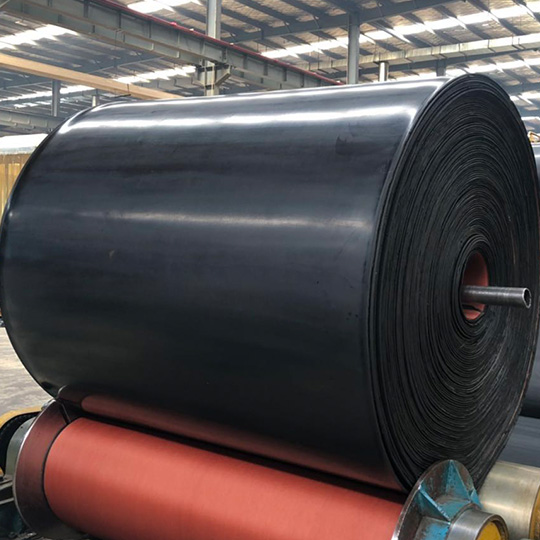
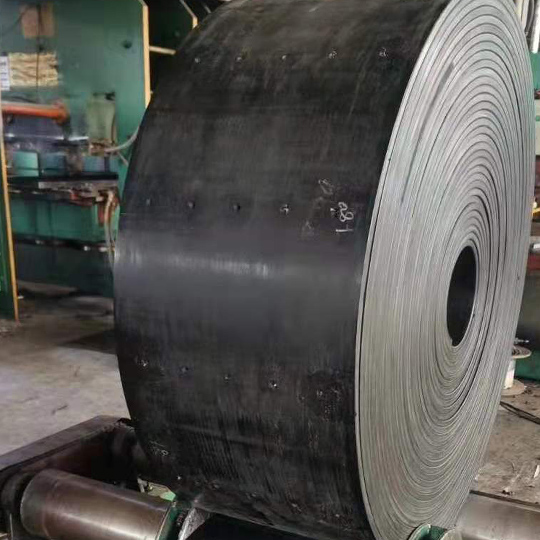
Conveyor Belt for Sale
- Width: 500、650、800、1000、1200、1400mm
- Type of framework material: EP (polyester-polyamide), NN (full nylon), ST (steel core)
- Coverage rubber grade:Heavy (H), Medium(M), Light (L)
- Thermal Shrinkage: ≤1.5%
- Temperature range: ≤40℃, -10℃~+50℃, +60℃~+180℃
Conveyor Belt Types
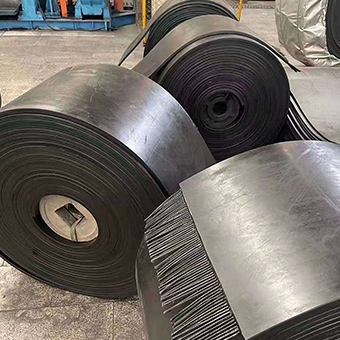
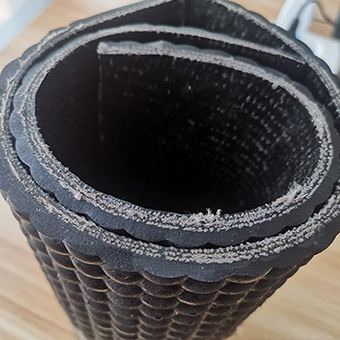
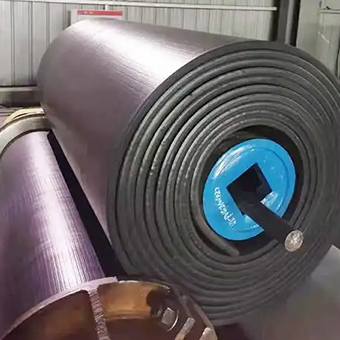
Conveyor Belt of Special Function
-
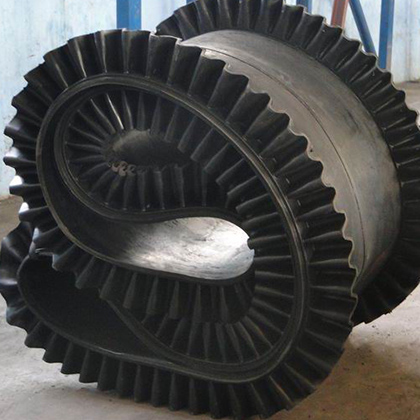 Sidewall Conveyor Belt
-
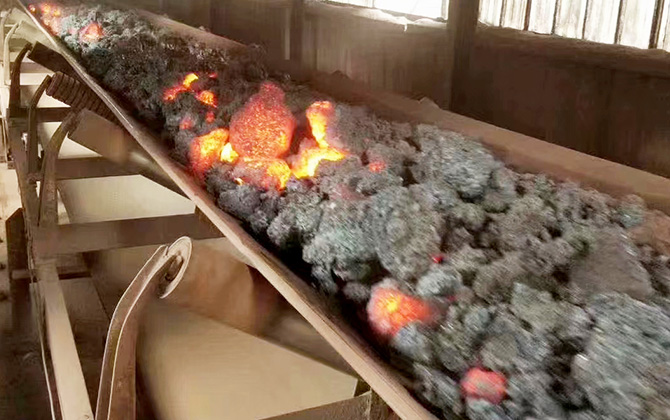
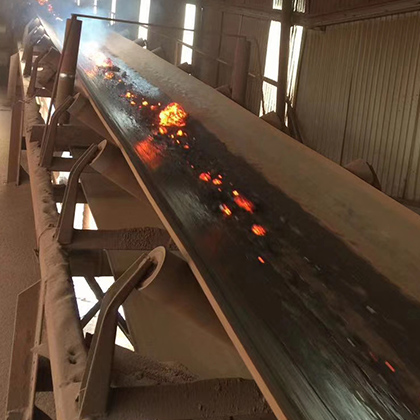 High Temperature Conveyor Belt
-
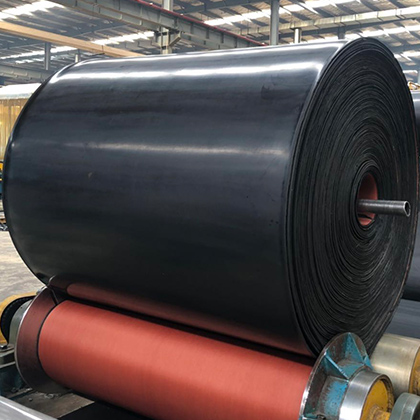 Acid Resistant Conveyor Belt
-
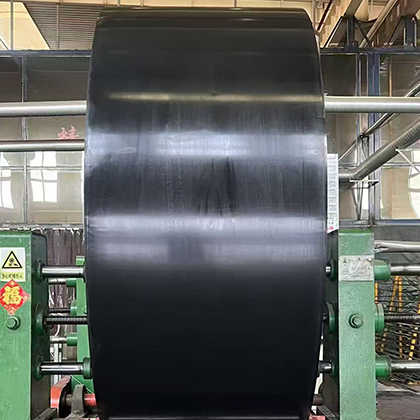 Oil Resistant Conveyor Belt
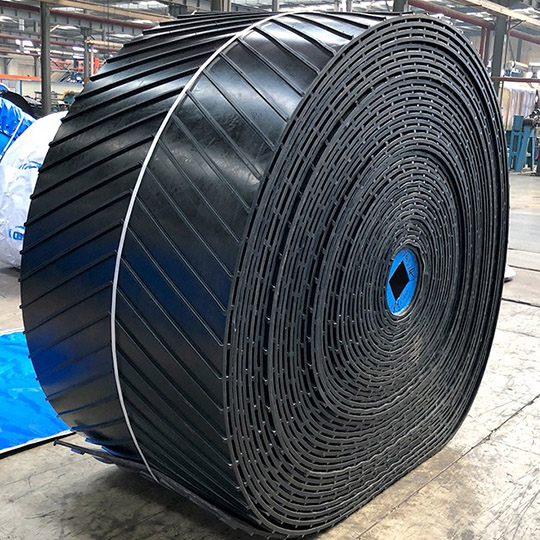
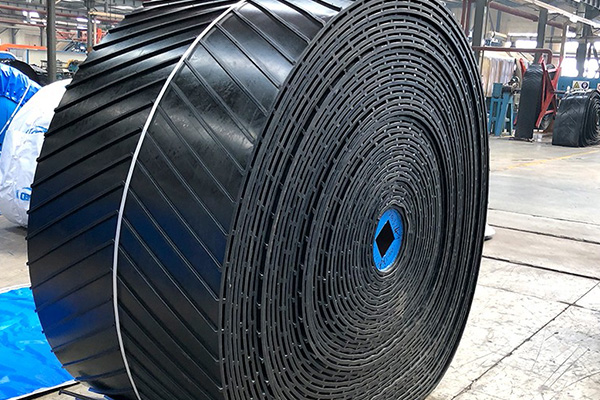
Patterned Conveyor Belt
The core advantages of a patterned conveyor belt are that it increases friction to prevent material slippage, and it is suitable for steep-angle conveying. This helps improve conveying efficiency, save space, and reduce maintenance costs. Different tread/pattern designs are optimized for specific operating conditions, showing strong performance in terms of anti-slip capability, load-bearing capacity, and industry suitability.
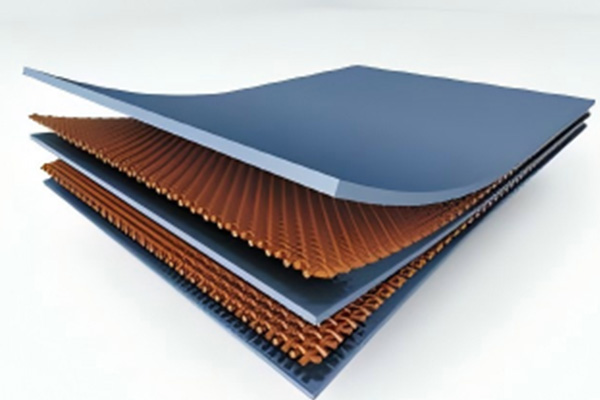
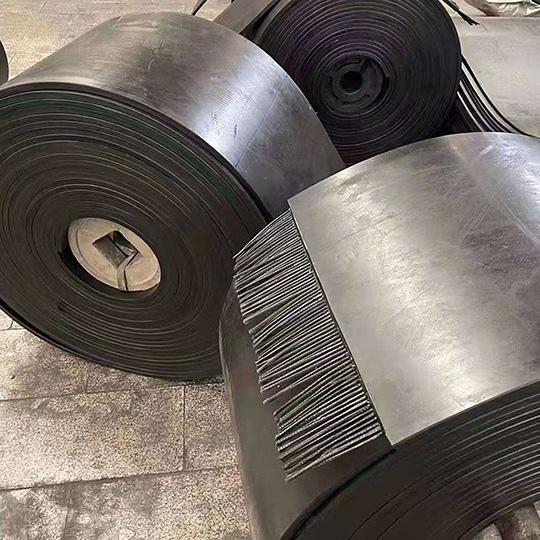
Multilayer Composite Structure
Cover layers (top & bottom): The conveyor belt cover layers directly contact the material and the rollers, providing protection and wear resistance. Commonly made from natural rubber or synthetic rubber, they offer properties such as tear resistance, abrasion resistance, and anti-slip performance.
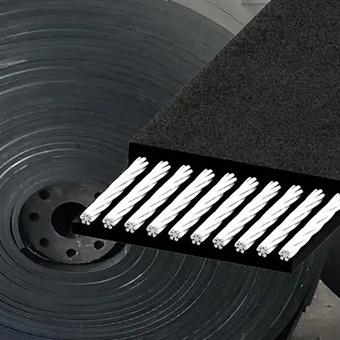
Belt cord (reinforcement layer): It bears the primary tensile load and determines the belt’s overall strength. The DTII series conveyor belt typically uses materials such as cotton canvas, nylon (NN), polyester (EP), or steel cord cores (ST). For steel cord cores, the tensile strength can reach ST630–ST2000 N/mm, making them suitable for long-distance, high-throughput applications.
Adhesive (bonding) layer: It ensures strong bonding between layers and prevents delamination and peeling. Enhanced bonding strength is especially important in wet or high-temperature environments.
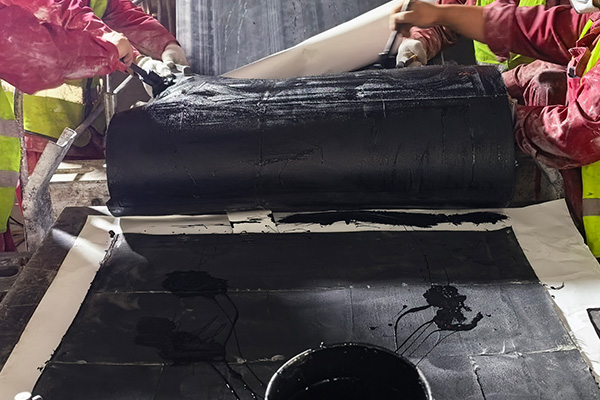
Hot Vulcanization
- High connection strength and strong load-bearing capacity
Hot vulcanization uses high temperature and pressure to cause cross-linking reactions in the rubber, forming a three-dimensional network structure. The splice area is bonded to the original belt body into a true “one-piece” integrated joint. - Long service life, reducing maintenance costs
The service life of a hot-vulcanized splice is typically 3–4 years or even longer, far exceeding belt-mechanical fasteners (3–6 months) and cold-bonded splices (1–2 years). - Smooth surface, reducing wear on equipment
It can extend the roller service life by 50% or more (e.g., from 2 years to 3–4 years) and also reduces the risk of abrasion or scratching on the belt’s inner surface. - Excellent sealing performance, suitable for harsh environments
In damp and highly corrosive environments—such as coal mines, cement plants, and ports—it significantly reduces aging and delamination/adhesive failure risks. - Stable operation, improving transmission efficiency
It is especially suitable for long-distance and high-speed conveying systems, ensuring stable material transport.
Darko's Advantage of Conveyor Belt
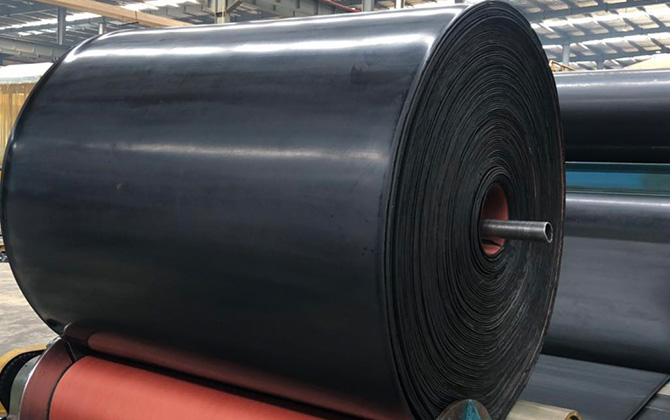
Darko understands that different industries have differentiated requirements for conveying belts, so it offers highly flexible, customized solutions. For example, for the food and beverage industry, it provides food-grade white PU or silicone conveyor belts that comply with FDA and EU 10/2011 standards, ensuring they are non-toxic and odorless, easy to clean, and resistant to bacterial growth. For hazardous environments such as mines and metallurgy, it develops explosion-proof conveyor belts with antistatic, flame-retardant, and impact-resistant performance. For cold-chain applications, it designs conveyor belt bodies that can withstand low temperatures (remaining flexible even at −40∘C. It is also possible to integrate intelligent sensor modules such as metal detection, weight detection, and vision recognition, enabling digital monitoring and management of the conveying process.
Darko’s belt systems deliver breakthroughs not only in physical performance, but also in maintainability, energy efficiency, adaptability, and intelligence—building comprehensive competitive advantages. It truly realizes the vision of “one conveyor belt adapted to all scenarios,” helping enterprises build efficient, stable, and green modern material-handling core equipment.
Conveyor Belt Application Cases
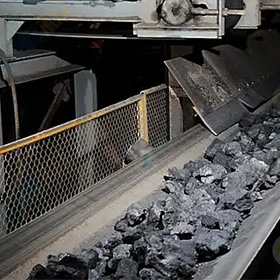
At SHANXI COKING COAL GROUP CO.,LTD., coal is transported using a belt conveyor with a width of 1.2 m, a length of 300 m, and an inclination angle of 15°. The conveyor belt’s designed annual throughput is 1.2 million tons. Compared with the traditional method of transporting coal in trains of carts, the transportation efficiency is significantly improved, labor costs are reduced, and continuous operation is stable, with lower maintenance frequency.
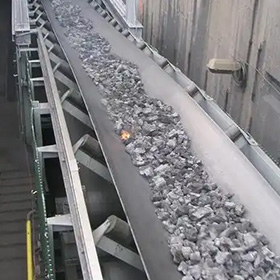
We provide Jiangsu Shagang Group steel plant with a high-temperature-resistant belt conveyor. The belt conveyor operates continuously in a 180℃ high-temperature environment, transporting sintered ore and metallurgical slag. This conveyor uses multi-layer composite high-temperature-resistant rubber belts, which enhance the temperature resistance by 5 times. It is equipped with a real-time temperature monitoring system, and automatically stops when the temperature exceeds the limit. The equipment has been running continuously for over 2 years without major failures. The replacement cycle of the idlers has been extended to 8 months, which is twice the industry average.
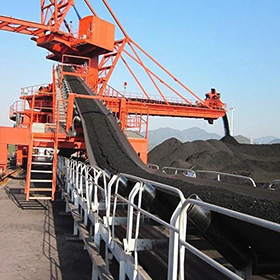
Minmetals Mining Holdings Limited has adopted the ST4500 steel core flame-retardant conveyor belt. The belt width is 2.2 meters, and the single-machine conveying capacity reaches 3,000 tons per hour, with a conveying distance exceeding 2 kilometers.
Related Product
-
-
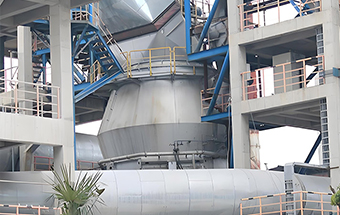
Using material bed grinding increases the fine powder proportion in extruded materials.
-
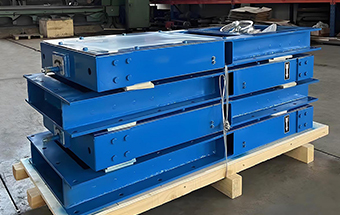
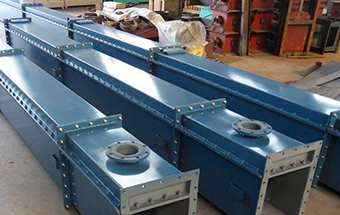
The groove-free design prevents blockages and is ideal for materials like ash and cement.
FAQ
Conveyor belt slippage is mainly caused by insufficient tension, wear of the drum’s rubber coating, presence of water, oil or dirt on the non-working surface of the conveyor belt, and overload operation. The solutions include adjusting the tensioning device, replacing the worn roller, removing the adhering substances, and controlling the material quantity to avoid overloading. The intelligent tensioning system can improve the response speed and reduce the risk of slippage.
1. Joint vulcanized area wear
This is the most common early wear point. Because the adhesive layer at the joint is weaker than the original conveyor belt, local damage easily occurs, exposing the wire rope or nylon core.
Solution: Use local hot-vulcanization repair technology to restore strength to original conveyor belt levels; for minor wear, a cold adhesive repair agent can be used for quick treatment.
2. Skirt or chute edge wear
Poor chute design or overly tight installation causes the conveyor belt edges to be subjected to long-term extrusion and abrasion, resulting in severe edge rubber wear, edge lifting, or tearing.
Solution: Adjust the gap between the skirt board and the belt and install flexible buffer strips; periodically check chute alignment to avoid off-loading and scraping.
3. Central concentrated impact wear
Material repeatedly impacts the center of the conveyor belt from a fixed drop point, causing the cover layer to thin, internal carcass breakage, or the formation of “folded belt” (belt overlap) defects.
Solution: Install an impact bed or cushioning idler set at the drop point to disperse impact forces; optimize chute angle so material flows in smoothly.
4. Idler and return drum area wear
Idler seizure, poor rotation, or material sticking to drums can cause local conveyor belt sliding and friction, accelerating rubber layer loss.
Solution: Install V-type scrapers to remove material stuck to drums; fit a stripper plate before the return drum and increase idler spacing density.
It is recommended to use pneumatic splicing or vulcanized splicing and avoid the instability associated with traditional mechanical (iron-plate) hot splices. The splice must be made flat, with straightness tolerance not exceeding 20 mm over 10 meters to prevent tracking problems and breakage.
It is best to provide the original conveyor belt’s specifications or a physical sample, including belt width (e.g., B650), total length, splice type (vulcanized/mechanical), number of plies (e.g., 2-ply nylon carcass), cover thicknesses (e.g., top 3 mm / bottom 1.5 mm), etc. We will reproduce or optimize the design based on these details to ensure a seamless installation.