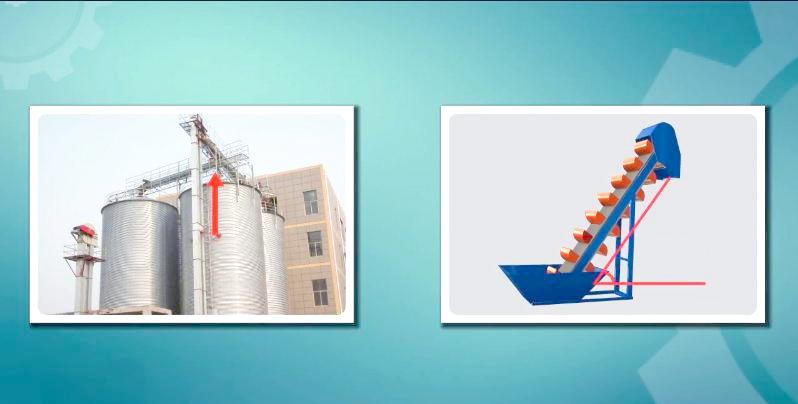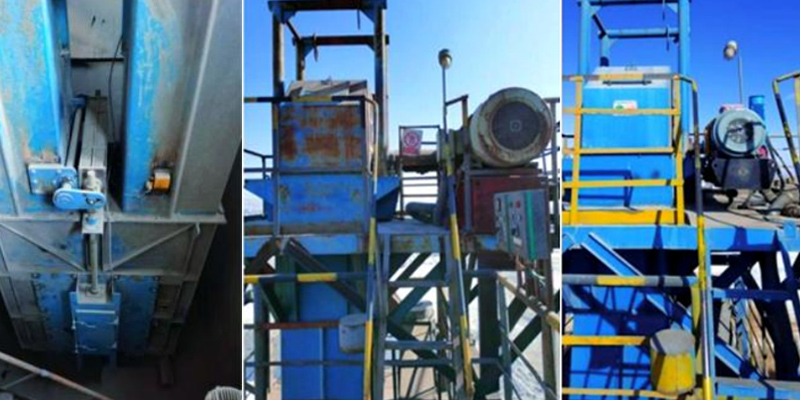
Many bulk plant engineers and procurement personnel often begin their equipment research with one core question: What is a telescopic chute?
Global bulk handling industries—including cement manufacturing, mineral mining, grain processing, chemical production, and bulk cargo terminals—are continuously upgrading loading equipment to cut material waste, control dust pollution, and boost loading throughput.
Telescopic bulk loaders paired with matched telescopic loading chutes have gradually replaced outdated fixed loading systems, becoming the mainstream customized bulk loading solution worldwide.
Traditional open loading spouts and stationary bulk loaders always suffer from severe material spillage, uncontrolled flying dust, high product loss, and poor adaptability for multi-model trucks, railcars, and bulk carriers. In contrast, telescopic bulk loaders and telescopic chutes solve these core industry pain points via a retractable adjustable structure and fully enclosed loading design. As one of the most advanced types of industrial chutes, the telescopic chute serves as the critical component in conveyor and telescopic bulk loader systems.
In this ultimate guide, we elaborate on the core features, working principles, efficiency optimization, application scenarios, selection criteria, and cost-saving benefits of telescopic bulk loaders and telescopic chutes to help plant managers, procurement engineers, and terminal operators pick the proper bulk loading machines for their projects.
1. Basic Definition of Telescopic Bulk Loaders
1.1 What Are Telescopic Bulk Loaders?
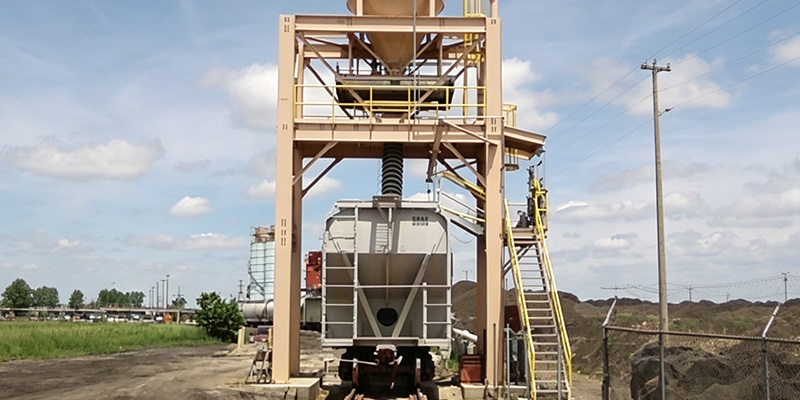
Telescopic bulk loaders (also called telescopic shiploaders or mobile telescopic bulk loading conveyors) are heavy-duty mobile loading machinery designed for continuous bulk solids transportation from silos, stockyards, and conveyor terminals into trucks, tank wagons, open rail wagons, or ocean-going bulk ships.
Equipped with a stretchable telescopic boom conveyor and an optional wheel/crawler moving chassis, the whole loader can extend or retract its conveying length flexibly from 5m up to 22m based on loading vehicle height and cabin depth. This eliminates the need for fixed foundation construction like conventional stationary loaders.
Core Working Flow:
Raw bulk material feeds into loader feeding hopper → internal belt conveyor transports material forward → matched telescopic chute installs at loader’s discharge end for sealed blanking → chute automatically stretches down close to material pile surface to finish dust-free loading → chute retracts upward after single vehicle filling completes, waiting for the next truck docking.
2. How Telescopic Chutes Work?
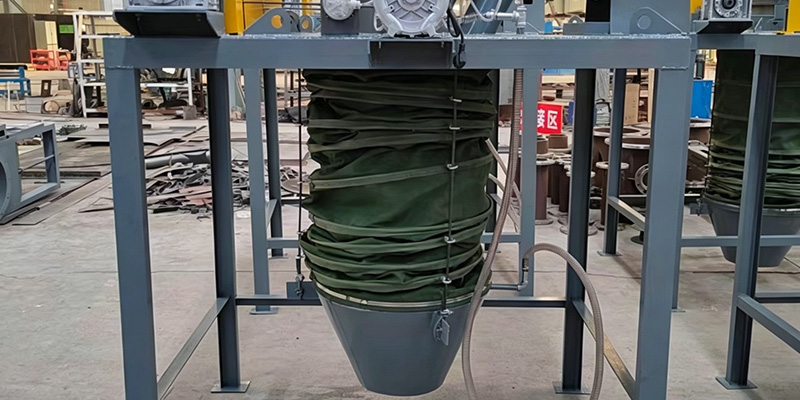
A telescopic chute is assembled by multiple nested steel sleeves and a wear-resistant flexible dustproof skirt. Driven by hydraulic cylinders or an electric winch for automatic upward and downward movement, it is typically fitted with built-in level sensors and dust extraction connectors.
-
Descending for Feeding: When loading starts, the drive system pushes the whole chute downward. The outlet keeps approaching the top of piled materials inside containers.
-
Synchronous Lifting: As materials accumulate gradually inside trucks or vessels, the chute lifts synchronously with rising stockpiles (detected by level sensors) to maintain a minimal falling distance for bulk goods.
-
Retraction After Full Loading: Once the vehicle is fully loaded, the control system sends signals to pull the entire chute upward and folded, leaving enough space for finished trucks to drive away and new vehicles to park in position.
-
Closed Dust Collection: The fully enclosed sleeve structure prevents powder leakage during discharging. The reserved dust connection port can link with central dust removal pipelines of factories to collect floating dust inside the chute.
When matched with telescopic bulk loaders, the whole set realizes linkage operation. Materials run along the conveyor belt into the top inlet of the telescopic chute and fall smoothly into vehicles. For PLC automatic types, belt running speed and chute lifting action are synchronized, achieving continuous automatic bulk loading.
3. How Telescopic Loading Chutes Improve Bulk Material Loading Efficiency
Improving overall loading efficiency is one of the core reasons for factories to configure telescopic chutes on telescopic bulk loaders. Unlike fixed open chutes that restrict loading speed, the adjustable closed structure of a telescopic chute optimizes loading links in five practical dimensions:
-
Cut Vehicle Positioning Waiting Time: Fixed chutes feature a fixed unloading height, requiring drivers to repeatedly move forward and backward to align the blanking position, consuming 3 to 8 minutes for each vehicle. A telescopic chute automatically follows the rising height of piled materials and adjusts vertically, meaning trucks only need one-time fixed parking. This reduces vehicle adjustment time by over 70% and speeds up vehicle turnover efficiency at loading points.
-
Avoid Unexpected Shutdowns for Site Cleanup: Traditional open blanking creates heavy dust and scattered raw materials. Operators have to pause loading frequently to sweep spilled materials and control site dust, breaking the continuous production rhythm. A fully enclosed telescopic chute confines powder and granules inside the chute cavity, supporting uninterrupted continuous feeding and maximizing the effective running time of loading equipment.
-
Reduce Blockage and Material Crushing: Excessive falling height under fixed chutes easily leads to material compaction blockage or grain breakage, which reduces actual conveying flow. A telescopic chute shortens the material drop distance dynamically, ensuring a smooth material flow without blockage, so telescopic bulk loaders can always run at their rated design throughput.
-
Realize Rapid Switching Among Different Loading Carriers: With an adjustable stretching stroke ranging from 1m to 10m, one set of telescopic chutes can adapt to pickup trucks, bulk tank trucks, railway wagons, and large bulk carriers. Operators do not need to replace different fixed spouts or rearrange equipment when switching vehicle types, greatly shortening preparation conversion time between different loading tasks.
-
Optimize On-Site Labor Allocation: Conventional loading work needs extra workers to clean spillage, guide vehicle parking, and adjust blanking height manually. After matching an automatic telescopic chute, only one operator is required to monitor the whole loading system, saving labor input and accelerating the overall loading progress.
4. Core Competitive Advantages of Matching Telescopic Bulk Loaders with Telescopic Chutes
Compared with separate fixed loaders and open discharge chutes, the combination of telescopic bulk loaders and telescopic chutes brings 5 measurable economic & environmental benefits for bulk factories and terminals:
💰 Sharply Reduce Bulk Material Loss Rate
The telescopic chute’s fully enclosed blanking cuts spillage loss below 1.2%, while traditional open loading leads to 5%–12% raw material waste—especially for fine powders like cement, fly ash, and limestone powder. For a 500 TPH cement plant running 20 hours daily, the annual raw material saving value can reach tens of thousands of USD.
🌱 100% Dust-Free Loading to Meet Global Environmental Standards
The sealed telescopic chute cooperates with the dust extraction pipeline to trap floating dust inside the loading area. Exhaust emissions meet EU CE and US OSHA environmental limit standards, helping factories avoid environmental fines and improve the working environment. Food-grade stainless steel telescopic chutes also satisfy safety requirements for grain and feed bulk loading without cross-contamination.
🚚 Strong Adaptability for Multi-Type Transport Vehicles
Telescopic bulk loaders adjust boom length freely; the matched telescopic chute covers a stretching stroke from 1m to 8m. It is compatible with small pickup trucks, bulk tankers, open rail wagons, and 100–120,000 DWT bulk ships. One set of loading systems covers all on-site loading demands without requiring multiple equipment investments.
📉 Cut Labor Cost & Improve Loading Throughput
Automated retraction control lowers manual guarding staff from 3–5 persons to just 1 operator. The telescopic bulk loader’s continuous conveying raises loading capacity from 80 TPH of manual loading up to 1200 TPH per set, shortening vehicle waiting turnover time greatly.
🔧 Long Service Life & Low Maintenance Expense
The telescopic bulk loader’s main frame uses Q355 wear-resistant steel. The telescopic chute offers optional NM400 lining or SS304/316 stainless steel inner tubes for corrosive/abrasive bulk like mineral ore and chemical powder. The modular split design realizes quick replacement of partially damaged components, cutting later maintenance downtime by over 60%.
5. Main Application Industries & Typical Bulk Materials
| Industry | Typical Bulk Materials | Equipment Configuration Suggestion |
| Cement & Construction | Cement clinker, cement powder, fly ash, limestone, sand aggregate | Short-stroke telescopic chute (1–4m stretch) + stationary small telescopic bulk loaders. |
| Mining & Metallurgy | Iron ore, coal, bauxite, mineral powder | Heavy-duty telescopic bulk loaders with crawler chassis + high-temperature resistant telescopic chute (max up to 300°C). |
| Grain & Agriculture | Corn, wheat, soybean, feed pellets | Food-grade telescopic chute with soft inner fabric to avoid grain particle crushing and degradation. |
| Chemical & Fertilizer | Fertilizer powder, chemical granules, soda ash | Anti-corrosion 316 stainless steel telescopic chute to prevent chemical corrosion damage. |
| Ports & Terminals | Bulk grain, mineral export ship loading | Large telescopic bulk shiploaders + long-stroke marine-grade telescopic chute adjusting to tide fluctuations. |
6. Key Selection Guide When Buying Telescopic Bulk Loaders and Telescopic Chutes
Most procurement engineers make equipment selection mistakes by only checking nominal throughput data. These 4 core parameters decide the matching degree for your production line and final loading efficiency:
-
Confirm Bulk Material Physical Properties First: Check material form (fine powder/granule/lump), abrasion degree, operating temperature, and corrosiveness to decide the chute’s inner material: carbon steel for common aggregate, stainless steel for chemical/grain, and wear-resistant alloy lining for sharp ore bulk.
-
Define Required Loading Capacity (TPH): Customize telescopic bulk loader belt width and motor power based on target hourly throughput (50 TPH–1500 TPH). Match the corresponding multi-stage telescopic chute caliber to avoid feeding blockage caused by unmatched flow rates.
-
Measure Max Loading Height Difference: Calculate the vertical distance from the loader discharge outlet to the lowest vehicle loading surface to confirm the telescopic chute’s total stretching stroke (custom 2m to 10m as per site actual size).
-
Select Control Mode (Manual / Semi-Auto / Fully Automatic): Small workshops can select low-cost manual winch control telescopic chutes. Large-scale automatic production lines should pick PLC fully automatic linkage control between the telescopic bulk loader and chute to realize synchronous feeding & stretching without manual intervention.
7. FAQ About Telescopic Bulk Loaders & Telescopic Chutes
Q1: Can telescopic bulk loaders work without a matched telescopic chute?
A: Technically yes, but it is not cost-effective. Open discharge without a telescopic chute causes massive raw material loss and environmental dust pollution, violating most regions’ latest emission regulations and cutting actual loading efficiency due to regular shutdowns for cleanup.
Q2: Are customized non-standard telescopic bulk loaders and telescopic chutes available?
A: Yes. Professional manufacturers provide fully customized services on loader chassis (wheel/crawler), chute stretch length, material grade, and integrated dust removal systems according to the customer’s on-site layout and special bulk characteristics.
Q3: How long is the service lifespan of a standard telescopic chute?
A: A normal carbon steel telescopic chute works 2–3 years under common cement/grain working conditions. Wear-resistant alloy or stainless steel types can reach 5–8 years with routine maintenance.
8. Why Choose Our Customized Telescopic Bulk Loaders & Telescopic Chute Solution?
With over 15 years of bulk loading equipment R&D and manufacturing experience, our factory focuses on tailor-made telescopic bulk loaders and supporting telescopic chutes for global bulk industry clients across Southeast Asia, Africa, the Middle East, Europe, and South America.
-
International Standards: All products pass CE and ISO9001 certifications, fully meeting international import standards for stable, high-efficiency, long-term operation.
-
Free Engineering Support: Free on-site layout design and parameter calculation services before order confirmation to configure the optimal chute specification for maximum loading efficiency.
-
Flexible Customization: Tailored loading capacity, stretch size, equipment material, and automatic control system based on your efficiency upgrade targets.
Get a Free Solution Design Today:
If you have an ongoing bulk loading equipment upgrading or new project procurement plan aiming to boost loading efficiency, send your site working conditions and material parameters to our engineering team for a free quotation and solution drawing.