OPC 53 grade cement stands as the most widely utilized high-strength Ordinary Portland Cement in global construction and infrastructure today. Renowned for its rapid strength development, exceptional load-bearing capacity, and structural durability, it remains the top choice for structural engineers, general contractors, and large-scale industrial buyers.
If you are looking for definitive answers regarding “what is 53 grade OPC cement,” the core differences in “OPC 43 vs 53,” the exact “chemical composition of OPC 53,” or how to select the right material for your project, this comprehensive technical guide has you covered.
1. What is OPC 53 Grade Cement?
OPC 53 Grade Cement (Ordinary Portland Cement, Grade 53) is defined by its distinct mechanical properties. The number “53” denotes that the cement attains a minimum compressive strength of 53 Megapascals ((53 N/mm2)) after 28 days of standard curing, as verified under rigorous laboratory testing.
In major global markets—particularly regions adhering to British Standard frameworks—this grade strictly complies with the Bureau of Indian Standards specification IS 12269:2013, the definitive industry benchmark for high-grade ordinary Portland cement.
Unlike lower-grade alternatives, 53 grade OPC cement is formulated through the fine grinding of high-purity clinker and a highly balanced chemical ratio, completely free of any pozzolanic materials or slag blending. As a pure Portland cement, it is engineered specifically for high-load structural projects, serving as the backbone for high-end modern construction.
2. Chemical Composition and Manufacturing Process of OPC 53
2.1 Core Chemical Composition & Proportions
The exceptional early strength and long-term durability of 53 grade OPC cement stem from a precisely regulated clinker chemical balance:
-
Calcium Oxide (CaO): 60–65% —— Crucial for forming Tricalcium Silicate (C3S), the primary compound responsible for initial concrete hardening and strength.
-
Silicon Dioxide (SiO₂): 20–25% —— Reacts to form Dicalcium Silicate (C2S), which governs the long-term structural integrity and ultimate durability of the building.
-
Aluminum Oxide (Al₂O₃): 4–6% —— Accelerates the initial setting time of the cement, driving rapid early-stage strength gains.
-
Iron Oxide (Fe₂O₃): 2–4% —— Imparts the characteristic grey color and enhances concrete hardness and physical abrasion resistance.
-
Magnesium Oxide (MgO) & Sulfur Trioxide (SO₃): <3% —— Kept strictly under these limits to eliminate unsoundness, preventing delayed concrete cracking, expansion, or shrinkage.
Key Distinction: OPC 53 grade cement is a pure mineral binder containing zero supplementary cementitious materials (no fly ash, slag, or calcined clay). This pure formulation marks the fundamental difference when analyzing OPC 53 vs PPC or other composite blended cements.
2.2 Modern Manufacturing Process & Equipment Standards
Consistently achieving a 53 MPa rated compressive strength demands a strict dry-process rotary kiln method. This industrial workflow requires seamless bulk powder handling continuity and highly efficient dust extraction systems:
-
Raw Material Proportioning: High-grade limestone, clay, and iron ore are mined, crushed, and blended via automated proportioning systems to achieve precise chemical equilibrium.
-
High-Temperature Clinkerization: The raw meal passes through preheaters into a rotary kiln, undergoing intense pyro-processing at extreme temperatures up to 1450°C to fuse into hard nodules of cement clinker.
-
Clinker Cooling & Transport: The fiery clinker drops into a grate cooler for rapid quenching and is subsequently transferred to clinker silos via heavy-duty, high-temperature apron conveyors.
-
Fine Finish Grinding: The pure clinker is interground with a precise fraction of gypsum (added to regulate setting time) inside a ball mill or vertical roller mill (VRM) down to an ultra-fine powder.
💡 Industrial Manufacturer Insights:
Finely ground 53 grade OPC cement possesses an incredibly high specific surface area (Blaine fineness). In the final material transport and packaging stages, plants must deploy tightly sealed tubular screw conveyors or pneumatic conveying systems to prevent ambient moisture absorption and lump formation. Simultaneously, heavy-duty pulse-jet bag filter dust collectors must be integrated across the grinding and packing terminals to control fugitive emissions. This setup is not merely an environmental compliance measure; it is a critical operational safeguard that maintains maximum powder purity.
3. OPC 43 vs 53 Grade Cement: Technical Parameters and Cost Analysis
OPC 43 and OPC 53 are the two most frequently compared grades of ordinary Portland cement in the construction industry. While both share a pure Portland base, their structural capacities and optimal applications create a clear division:
| Parameter | OPC 43 Grade Cement | OPC 53 Grade Cement |
| 28-Day Compressive Strength | >= 43 MPa | >= 53 MPa |
| Bureau Governing Standard | IS 8112:2013 | IS 12269:2013 |
| Early Strength Gain Rate | Moderate (approx. 50% strength at 3 days) | Rapid (approx. 70% strength at 3 days) |
| Fineness (Specific Surface Area) | Standard grind | Ultra-fine grind, higher surface reactivity |
| Overall Cost Profile | Economical base price | Premium grade, higher unit cost |
| Optimal Application Scope | Plastering, brickwork, low-rise residential, non-structural tasks | High-rise structures, bridges, dams, precast elements, heavy foundations |
3.1 Structural Selection: Which Grade is Better?
-
OPC 53 Grade Cement is specifically engineered for structural, heavy-load engineering applications. With its higher design strength, quicker setting velocities, and massive load-bearing limits, it ensures maximum structural safety for core building frames.
-
OPC 43 Grade Cement is perfectly adequate for light-duty, low-load masonry and finishing. However, for critical structural elements such as columns, beams, load-bearing slabs, and pile foundations, OPC 53 is strongly recommended.
3.2 Understanding OPC 53 Cement Price and Cost Factors
When budgeting a commercial project, the OPC 53 cement price generally reflects a 10% to 15% premium over OPC 43 or PPC alternatives. The core manufacturing cost drivers behind this price point include:
-
Pure Clinker Input: It rejects cheap blending fillers like fly ash. Every ton of finished cement requires a significantly higher volume of high-calcium raw limestone and pure kiln clinker.
-
Increased Grinding Energy: Achieving the ultra-fine particle size matrix required for Grade 53 demands longer residence times in the finish mill, leading to higher electrical power consumption per ton.
-
Capital Equipment Maintenance: Processing high-fineness cement requires specialized handling infrastructure—including dust-tight material handling lines (e.g., specialized screw conveyors) and advanced bag house filter systems—which adds to plant depreciation and operational costs.
Procurement Tip: Although the initial OPC 53 cement price per bag is higher, its superior grade allows engineers to design mix proportions with lower cement content per cubic meter of concrete while still meeting high characteristic strength targets. Looking at the total volume, it often optimizes overall project expenditure.
4. Key Technical Advantages of Utilizing OPC 53 Grade Cement
-
Accelerated Fast-Track Construction Lines: Because it hits roughly 70% of its target strength within just 3 days, contractors can significantly accelerate formwork striking and scaffolding cycle times, shaving weeks off tight construction schedules.
-
Superior Structural Load Handling: A reliable 53 MPa minimum threshold effortlessly accommodates the massive dead and live loads required by high-rise residential complexes and industrial plants featuring wide structural spans.
-
Dense Microstructure & Excellent Crack Resistance: The ultra-fine particle sizing fills micro-voids within the concrete paste matrix, reducing bleeding channels and drastically lowering water permeability while boosting weather resistance.
-
Optimized Workability: The highly uniform powder profile creates a smooth, cohesive concrete mix that flows beautifully during pours and minimizes the risk of aggregate segregation or honeycombing.
-
Ideal for Precast and Pre-stressed concrete: Its fast setting and high early strength make it the standard choice for manufacturing precast piles, girder beams, railway sleepers, and post-tensioned structural elements.
5. OPC 53 vs PPC Cement: Core Differences and Selection Guide
In construction procurement, analyzing OPC 53 vs PPC (Ordinary Portland Cement Grade 53 vs Portland Pozzolana Cement) is a frequent and critical query for buyers. These products are engineered for entirely different environmental exposures rather than one being universally superior to the other:
-
Mineral Purity & Fillers: OPC 53 is a pure, unblended clinker cement. Conversely, PPC cement incorporates 15% to 35% pozzolanic materials, such as industrial fly ash, during finish grinding.
-
Heat of Hydration & Setting Kinetics: OPC 53 undergoes a rapid, exothermic hydration reaction, producing high early strength. PPC hydrates at a slower, cooler rate, meaning its early strength is lower, but its long-term strength (e.g., at 90 days) continues to climb steadily.
-
Chemical Resistance & Porosity: PPC develops a highly dense, refined pore structure via secondary pozzolanic reactions, making it significantly more resistant to sulfate attacks, chloride ingress, and water penetration than OPC 53.
-
Application Mapping: Due to its high heat of hydration, OPC 53 is less suited for mass concrete pours where thermal cracking is a risk. PPC’s low heat output and high chemical resistance make it perfect for marine structures, massive dams, underground basements, and retaining walls.
6. How to Identify Genuine OPC 53 Cement on the Job Site
Given the premium price of high-strength cement, sub-standard or mislabeled lower-grade bags can slip into supply chains. In the absence of immediate laboratory compression testing, field teams should use these practical inspection steps:
-
Verify Packaging and Certification Seals: Genuine bags must feature a prominent, clear stamp reading “OPC 53 GRADE” alongside the mandatory standard certification mark (e.g., “IS 12269”) and the manufacturer’s official license number.
-
Check the Manufacturing Date (Critical): Cement loses more than 20% of its characteristic strength if stored for longer than 3 months due to pre-hydration from ambient humidity. For structural pours, ensure the cement was produced within the last 60 to 90 days.
-
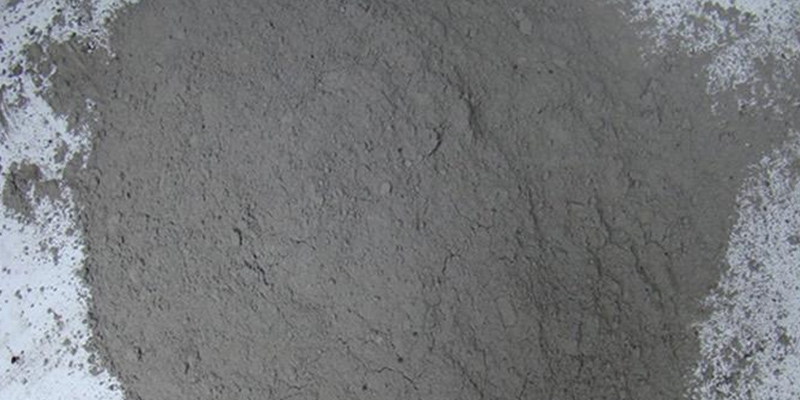
Inspect Powder Color and Texture: Authentic 53 grade OPC exhibits a uniform, light greenish-grey hue. Rubbed between bare fingers, it should feel silky and smooth like flour, completely free of gritty particles or hard lumps.
-
Conduct a Field Setting Test: Mix a small amount of the cement with water to form a thick paste. Genuine OPC 53 should begin its initial set within 30 to 60 minutes and form a hard, solid mass within 24 hours.
7. Main Application Scenarios of OPC 53 Cement
Thanks to its immense compressive strength, fast initial cure times, and long-term durability, OPC 53 cement is the standard specification across demanding structural designs.
7.1 Core Structural and Heavy Civil Projects
-
High-Rise Engineering: Structural columns, shear walls, heavy foundation rafts, and primary load-bearing frames in multi-story residential and commercial complexes.
-
Major Infrastructure Projects: Highway pavements, bridge girders, flyovers, airport runways, and heavy mass concrete structural bases.
-
Precast Concrete Production: High-strength precast wall panels, concrete pipes, retaining blocks, and pre-stressed structural elements.
7.2 Roof Pours and Suspended Decks: Why OPC 53 is the Best Cement for Slab
For casting residential roof slabs and suspended structural floors, materials must withstand intense tensile stresses and high deflection limits. When engineering teams search for the best cement for slab, OPC 53 grade cement repeatedly emerges as the definitive technical choice:
-
Fast Formwork Turnaround: Suspended slabs require extensive under-shoring and formwork. OPC 53’s high early-stage strength allows slabs to reach safe load limits within 3 to 7 days, allowing earlier prop removal and saving on scaffolding rentals.
-
Deflection Control: The ultimate 53 MPa capacity ensures that large-span slabs handle permanent dead loads (structural weight) and live loads (occupants, equipment) over decades without displaying micro-cracking or structural sagging.
8. Frequently Asked Questions (FAQ)
Q1: Is OPC 53 cement suitable for building a residential house?
Answer: Yes, it is highly suitable, but it should be used strategically. To balance safety and cost, deploy OPC 53 for the structural framework—the foundations, columns, beams, and roof slabs. For non-structural masonry tasks like brick-laying, block walls, and interior wall plastering, switch to an OPC 43 or a PPC cement. This approach yields the highest structural durability per dollar spent.
Q2: What is the mandatory curing period for OPC 53 grade cement?
Answer: While it gains strength quickly, it still requires a standard moist-curing regime of 7 to 14 days to fully develop its 53 MPa potential. The first 72 hours are vital; the surface must be kept continuously wet via ponding or moist burlap sheets to prevent rapid evaporation and surface map-cracking.
Q3: Why is OPC 53 not recommended for mass concrete blocks?
Answer: Because of its high chemical purity and fine grind, OPC 53 hydrates rapidly, releasing a significant amount of thermal energy (heat of hydration) in a short time. In thick, massive structures like dams or thick mat foundations, this heat accumulates internally. The resulting temperature differential between the hot core and the cooler exterior generates severe thermal stress, which can cause deep structural cracks.
9. Storage and Handling Technical Guidelines
-
Maintain Strict Water-Cement Ratios: Keep your mix water-cement ratio bounded strictly between 0.4 and 0.5. Adding excess water to improve site flow will dilute the cement paste and permanently undermine the final compressive strength.
-
Implement Dry Storage Protocols: Store cement bags inside a weatherproof, dry warehouse. Bags must be stacked on elevated wooden pallets at least 20 cm off the concrete floor, kept away from external walls, and limited to a maximum stack height of 10 bags to avoid compaction clumping.
-
Process Line Optimization: For ready-mix concrete plants or cement handling terminals processing high-fineness OPC 53 powder, ensure that all bulk material handling systems (such as enclosed screw conveyors) and baghouse filtration elements are inspected regularly. Dust-tight lines prevent ambient moisture from degrading the high-reactivity powder before the mix stage.