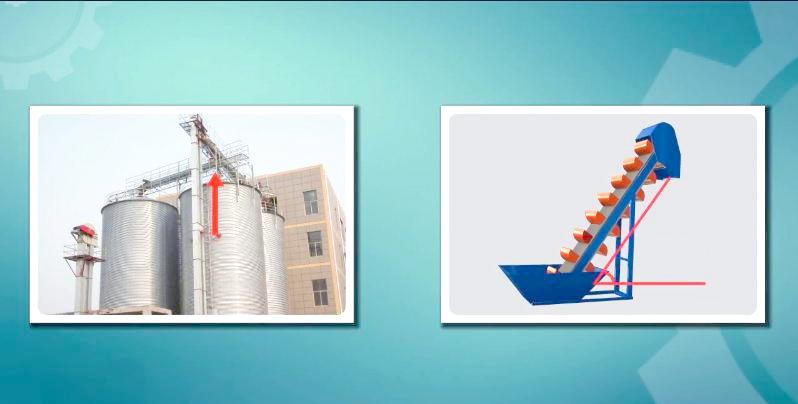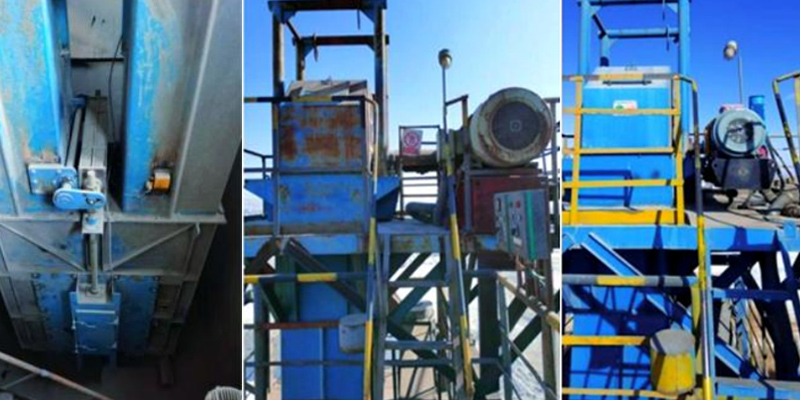

A belt conveyor is one of the most widely used continuous bulk material handling equipment in modern industrial and mining industries. It relies on flexible conveyor belts as the bearing and traction medium, driven by motor and roller sets, to realize continuous, efficient, and stable bulk material transportation of bulk materials, granular materials, and packaged goods. As essential logistics conveying equipment for industrial production, industrial belt conveyors are widely adopted in mining, port logistics, coal mining, building materials processing, grain storage and metallurgy industries, effectively cutting manual labor costs, boosting overall material handling efficiency, and enabling automated and centralized bulk material production and transportation workflows. This article comprehensively explains the professional definition, core structural composition, performance characteristics, detailed classification, and mainstream industrial application scenarios of industrial belt conveyors, covering full-dimensional industry knowledge to meet enterprise equipment selection, technical consultation and production transformation needs.
1. What is a Belt Conveyor? (Complete Definition & Working Principle)
A belt conveyor refers to a continuous conveying machine that takes the conveyor belt as the main working component, uses friction drive to operate, and transports materials horizontally, obliquely or in a combined manner. It is the core equipment of bulk material handling systems, mainly used for conveying loose bulk materials such as coal, ore, sand, cement, grain, as well as regular packaged goods.
The working principle of the belt conveyor is simple and reliable: the driving device provides power to drive the driving roller, which pulls the closed conveyor belt to circulate continuously; materials are placed on the conveyor belt and move synchronously with the belt by friction force, realizing longdistance belt conveying, large-volume and uninterrupted bulk material transportation. Compared with traditional intermittent conveying equipment such as screw conveyors and hoist elevators, modern belt conveyors have outstanding advantages in continuous cyclic operation and stable large-scale conveying capacity, making them the preferred conveying equipment for global industrial bulk material transportation projects.
2. Basic Components of a Belt Conveyor
The complete structure of a standard industrial belt conveyor is composed of multiple core belt conveyor components, each of which cooperates to ensure stable and long-term operation of the conveying equipment. The main basic components are as follows, covering all mainstream industrial models:
2.1 Conveyor Belt
The conveyor belt is the core bearing and traction component of the entire belt conveyor system, responsible for stably carrying various bulk materials and completing continuous cyclic conveying operation. Common industrial models include wear-resistant rubber conveyor belts, anti-corrosion PVC conveyor belts, high-tensile steel cord conveyor belts and customized special belts, which are scientifically selected according to material weight, conveying distance and complex on-site working environment.
2.2 Driving Device
Serving as the core power drive system of the belt conveyor equipment, the driving device is assembled from industrial motors, speed reducers, couplings and safety brake components to guarantee stable belt operation. It can provide continuous and stable driving power for the conveyor belt, flexibly adjust conveying speed according to actual production demand, and support both constant-speed and stepless variable-speed conveying operation.
2.3 Roller and Idler Set
The complete roller and idler system includes driving rollers, tension rollers, upper material-carrying idlers and lower return idlers, which are indispensable key support parts for all types of belt conveyors. The driving roller drives the belt to circulate, while the idler group stably supports the conveyor belt and stacked materials to effectively prevent belt sagging and deviation, ensuring flat and stable bulk material conveying.
2.4 Tensioning Device
Mainly used to adjust the tightness of the conveyor belt, eliminate belt slack, ensure sufficient friction between the driving roller and the belt, and avoid slipping, deviation and other common belt conveyor faults during equipment operation.
2.5 Frame & Support Structure
Manufactured with high-strength anti-rust steel, the conveyor frame and support structure serve as the overall load-bearing foundation of the industrial belt conveyor, stably carrying all equipment components and bulk material load, ensuring overall structural stability and firmness during long-distance and high-load conveying operation.
2.6 Auxiliary Protection Devices
Including deviation correction device, anti-skid device, emergency stop device, dust cover, cleaning scraper and other auxiliary accessories, which are used to reduce equipment failure rate, ensure belt conveyor safety, and meet environmental protection and production standard requirements.
3. Core Features & Advantages of Belt Conveyors
Belt conveyors have become the mainstream bulk material handling equipment in the industrial field, thanks to their unique performance advantages that adapt to complex industrial working conditions. The core characteristics are summarized as follows:
-
Large conveying capacity & high efficiency: Industrial belt conveyors support 24-hour long-term uninterrupted continuous conveying operation, with ultra-large single-machine conveying volume and high operating efficiency. Its production capacity is far higher than traditional manual conveying and intermittent mechanical conveying equipment, fully meeting the high-volume operation demands of large-scale industrial bulk production lines.
-
Wide adaptability & flexible layout: The equipment supports flexible multi-angle bulk material conveying including horizontal, upward inclined and downward inclined transportation. The conveyor line can be customized and arranged according to factory terrain, mine roadway space and port site layout, with strong terrain adaptability to cope with various complex industrial working environments.
-
Low operating cost & long service life: Featuring optimized and simple overall structure, the belt conveyor runs stably with extremely low failure rate. It has convenient daily inspection and maintenance procedures, low operating energy consumption and ultra-long service cycle, which can effectively reduce the long-term operation and maintenance costs of industrial enterprises.
-
Good environmental protection performance: Matched with fully closed dust covers and professional belt cleaning devices, the industrial belt conveyor can effectively suppress on-site dust overflow, reduce bulk material scattering and loss, and fully comply with international industrial environmental protection emission standards.
-
Stable operation & low noise: The whole belt conveyor equipment runs smoothly with slight vibration and ultra-low operating noise. There is no material throwing or spilling during the entire conveying process, greatly improving the overall safety and operational stability of industrial production.
-
Easy to realize automatic control: The modern intelligent belt conveyor can be seamlessly connected with industrial PLC automatic control systems, realizing intelligent start-stop adjustment, stepless speed regulation, real-time fault alarm and remote operation monitoring, perfectly adapting to the development needs of modern intelligent industrial production.
4. Basic Types of Belt Conveyors (Common Classification)
Belt conveyors have diverse classification standards, and different types of belt conveyors can be divided according to conveying direction, structure form, working environment and material characteristics, covering all mainstream industrial models in the market:
4.1 Classification by Conveying Direction
Common types include horizontal belt conveyors for flat-site transportation, inclined belt conveyors for height difference transportation, vertical lifting belt conveyors for vertical feeding, and curved belt conveyors for turning transportation, meeting different terrain conditions and bulk material conveying height requirements in various industrial scenarios.
4.2 Classification by Structural Form
Including fixed belt conveyor, mobile belt conveyor, telescopic belt conveyor and portable belt conveyor. Fixed models are used for fixed production lines, while mobile and telescopic models are suitable for temporary operation and flexible site switching in logistics and construction sites.
4.3 Classification by Working Environment
Environment-specific models include ordinary indoor belt conveyors, outdoor rain-proof and sun-proof belt conveyors, mine explosion-proof belt conveyors, chemical anti-corrosion belt conveyors and high-temperature resistant belt conveyors, which are specially customized to adapt to underground mines, open-air ports, high-temperature workshops and other harsh special working conditions.
4.4 Classification by Material Type
According to transported material types, it includes general bulk material belt conveyors, dedicated grain belt conveyors, wear-resistant ore belt conveyors and industrial packaged goods conveyors, with targeted structural and material design for different material particle sizes, weights and physical characteristics.
5. Overview of Bulk Material Handling Equipment System
As the core equipment of the bulk material handling equipment system, belt conveyors cooperate with stackers, reclaimers, feeders, crushers and screening equipment to form a complete automated material conveying and processing production line. Various bulk materials involved in industrial production, including mine ore, raw coal, grain crops and construction sand, all rely on integrated belt conveyor systems to realize long-distance, large-scale and uninterrupted continuous transportation.
Compared with traditional conveying equipment such as screw conveyors and bucket elevators, modern belt conveyors have obvious comprehensive advantages in large-volume bulk material conveying, low energy consumption and stable operation, becoming indispensable core equipment for modern mining, port logistics, chemical industry and grain bulk logistics systems.
6. Main Industrial Application Fields of Belt Conveyors
Benefiting from diverse model types and strong environmental adaptability, industrial belt conveyors have extremely high industry compatibility, covering almost all industrial scenarios that require bulk material transportation. The following are the most mainstream and high-demand industrial application fields of belt conveyors:
6.1 Application of Belt Conveyors in Metal Mines
Metal mine is one of the earliest and most important belt conveyor applications in the industrial industry. In iron ore, copper ore, gold ore and other metal mining projects, belt conveyors are mainly used for underground ore transportation, open-pit mine material outward transportation, and ore conveying between crushing and screening workshops.
Mine-specific explosion-proof and wear-resistant belt conveyors are professionally customized to adapt to underground humid, dusty and high-load harsh working environments. They realize long-distance continuous ore transportation of raw ore and processed finished ore, effectively replacing high-cost traditional truck transportation, greatly reducing mine material transportation costs, and comprehensively improving mine production efficiency and on-site operational safety.
6.2 Application of Belt Conveyors in Building Materials Industry
The building materials processing industry has a huge demand for continuous bulk material transportation. High-temperature resistant and wear-resistant industrial belt conveyors run through the entire production process of cement, sand and gravel aggregates, ceramics, glass and other building materials. They are mainly used for conveying raw materials including limestone, quartz sand, clay and cement clinker, as well as finished granular building materials.
Building material enterprises specially adopt customized high-temperature resistant and wear-resistant belt conveyors, which can perfectly adapt to high-temperature raw materials and long-term high-frequency operation requirements. The equipment realizes automatic feeding and discharging of building material production lines, ensures uninterrupted continuous production, and effectively improves the overall automated production level of building material enterprises.
6.3 Application of Belt Conveyors in Ports & Terminals
Port belt conveyors are key equipment for bulk cargo loading, unloading and transshipment, widely used in coastal ports, river terminals and large logistics yards. They are mainly responsible for the transshipment and loading/unloading of bulk goods such as coal, ore, grain and sand between ships, yards and trucks.
Integrated port telescopic and fixed belt conveyor systems support large-volume and high-efficiency automated cargo handling, completely solving the pain points of low efficiency and high labor cost of traditional manual handling operations, and serving as the core equipment guarantee for improving port bulk cargo logistics throughput and operational efficiency.
6.4 Application of Belt Conveyors in Coal Industry
The coal industry is the most intensive and largest-scale application field of industrial belt conveyors, covering underground coal mining faces, open-pit coal mines, coal preparation plants, coal-fired power plants and professional coal logistics yards. Underground explosion-proof belt conveyors undertake the transportation of raw coal from mining working faces to roadways, while ground fixed belt conveyors are applied for coal stacking, cross-yard transshipment and vehicle loading operations.
Professionally customized coal-specific belt conveyors feature explosion-proof, anti-static, tear-resistant and super-large load capacity, which fully adapt to the harsh dusty and high-risk working conditions of coal mines. The equipment ensures continuous and stable output and transportation of coal resources, and is essential core conveying equipment for modern coal industrial production.
6.5 Application of Belt Conveyors in Grain Industry
In the grain industry, grain belt conveyors are special environmental protection conveying equipment for grain storage, processing and logistics transportation, suitable for rice, wheat, corn, soybean and other grain materials. They are mainly used for grain warehousing, outbound transshipment, processing workshop feeding and bulk grain vehicle loading and unloading.
Professionally customized grain-specific belt conveyors adopt food-grade material and anti-pollution structural design, with stable conveying performance, no grain scattering and ultra-low grain breakage rate, fully meeting international food safety and grain storage management standards. They are widely applied in national grain depots, grain deep processing factories and large-scale bulk grain logistics bases.
7. Conclusion
As classic and efficient bulk material handling equipment, belt conveyors have irreplaceable advantages in industrial production by virtue of simple structure, stable performance, wide adaptability and low operating cost. From basic core structural composition and unique performance characteristics to diversified classification types and multi-industry application scenarios, professional belt conveyors fully cover the full-link bulk material transportation demands of mining, building materials, port logistics, coal industry, grain processing and other industrial fields. With the continuous upgrading and iteration of global industrial intelligent manufacturing technology, intelligent, energy-saving and eco-friendly high-performance belt conveyors will achieve wider popularization and application in modern global industrial bulk material logistics systems.