Stable pulse jet cleaning is the core guarantee for long-term low-resistance operation of baghouse dust collectors. As the core actuating component of jet cleaning circuits, the pulse valve for dust collector is widely regarded as the heart of industrial dust removal systems. Most standard pulse valves are rated for over 1 million jet cycles, which equals 3 to 5 years of steady service under ideal factory working conditions. However, field data from industrial flue gas dust removal projects shows that more than 62% of on-site pulse valves suffer premature failure within 12 months. Typical malfunctions include diaphragm rupture, persistent body air leakage, delayed response and failed jet triggering. These unexpected breakdowns trigger unplanned dust collector shutdowns, raise spare part replacement and labor maintenance costs, and degrade overall dust removal efficiency. While most maintenance crews attribute these issues to defective manufacturing, industrial root cause analysis verifies that over 80% of premature pulse valve damage stems from overlooked design defects instead of product quality flaws.
What is a Pulse Valve for Dust Collector?
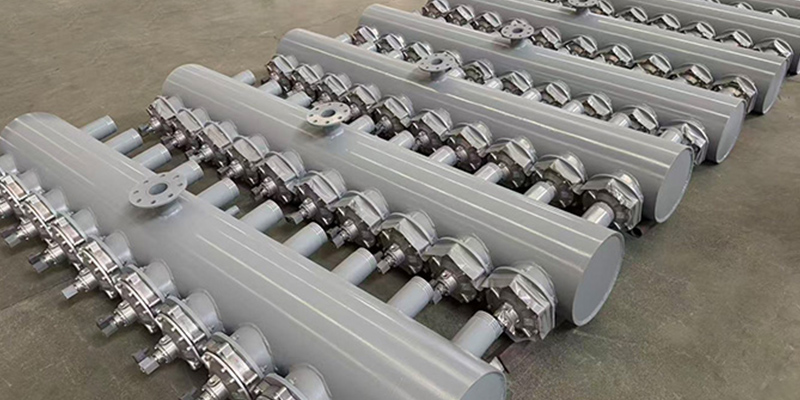
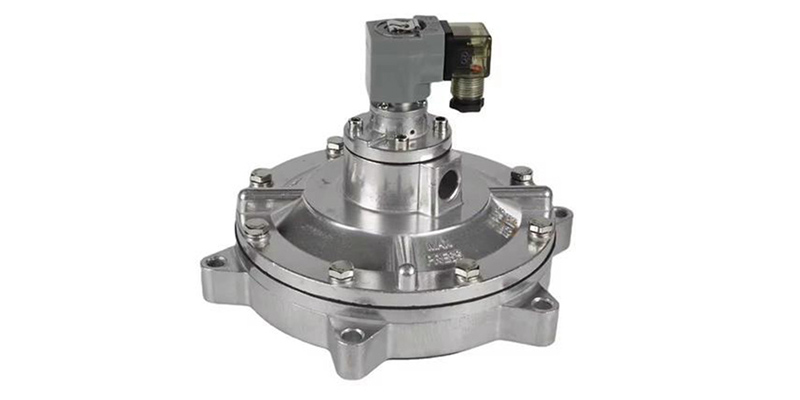
A pulse valve is a fast-response pneumatic diaphragm valve installed between the compressed air reservoir and jet blowpipe of baghouse dust collectors. Unlike conventional manual pneumatic valves, this dedicated pulse valve for dust collector works with electromagnetic pilot coils and pulse sequence controllers to release high-pressure compressed air within 20 to 80 milliseconds. The instantaneous high-energy airflow it generates removes dust cake accumulated on filter bag surfaces, preventing bag clogging and stabilizing internal pressure difference inside dust collectors.
Three mainstream types are widely adopted across industrial scenarios: right-angle pulse valves, submerged pulse valves and straight-through pulse valves. Submerged pulse valves dominate large-scale dust collector deployment thanks to lower airflow resistance and quieter jet noise. Its internal structure consists of five key parts: alloy valve body, rubber diaphragm, return spring, electromagnetic pilot assembly and built-in exhaust port. Among these components, the rubber diaphragm bears all cyclic airflow impact and accounts for nearly 90% of all pulse valve replacement demands.
How Does a Pulse Valve Work?
The working cycle of a dust collector pulse valve can be divided into two continuous phases with simple pneumatic pressure balance logic, which explains why improper parameter settings will accelerate component wear.
Standby Closed Phase
When the pulse controller sends no electrical signal, the electromagnetic pilot valve remains sealed. Compressed air from the air reservoir fills both the front air chamber and rear pilot chamber separated by the rubber diaphragm. With equal air pressure on both sides and smaller exhaust area in the rear chamber, the diaphragm is tightly pressed against the valve seat. The main airflow passage stays fully closed, and no compressed air flows into the blowpipe during normal dust filtration.
Jet Opening and Reset Phase
Once the dust collector’s internal pressure difference exceeds the preset threshold, the controller transmits a 0.1-second electrical pulse to energize the electromagnetic coil. The pilot iron core lifts instantly to open the tiny pilot exhaust hole, rapidly discharging high-pressure air from the rear pilot chamber. The sudden pressure drop breaks bilateral pressure balance, and front-chamber compressed air pushes the diaphragm upward to open the main passage. Massive compressed air sprays backward through blowpipes to shake off surface dust on filter bags. After the electrical pulse cuts off, the pilot exhaust hole closes automatically, and chamber pressure restores within 0.3 seconds. The diaphragm resets and seals the main passage, completing one full pulse jet cycle.
Five Hidden Design Errors Causing Premature Pulse Valve Failure
After clarifying basic definitions and operating logic, we sort out the most underrated design mistakes that shorten the service life of pulse valves for dust collectors, which are frequently encountered in cement, steel and chemical dust removal projects.
1. Poor Compressed Air Source Quality
Pulse valves have strict requirements for compressed air purity and dryness: qualified air requires a dew point below -20℃, oil content less than 0.1mg/m³ and solid particle diameter under 3μm. The most common design oversight is connecting dust removal air pipelines directly to plant public compressed air mains without independent purification. Public factory compressed air usually carries pipeline rust particles, compressor oil vapor and condensed water.
These contaminants trigger cascading damage inside pulse valves. Hard particles scratch rubber diaphragms and cause poor seating sealing and permanent air leakage. Condensed water corrodes stainless steel return springs and leads to spring jamming. Oil-water mixtures easily block the 0.8mm pilot exhaust hole, resulting in slow valve response or complete failure. Industrial statistics show that substandard air sources cause 41% of all premature pulse valve replacements. Every independent dust removal air circuit must be equipped with a pressure reducing filter, oil-water separator and refrigerated air dryer instead of shared basic plant filters.
2. Excessively High Jet Pressure
A pervasive misconception among on-site operators is that higher jet pressure delivers better cleaning performance. Many teams adjust operating pressure to 0.7-0.8MPa blindly, far exceeding factory rated parameters. Standard pulse valve diaphragms are made of nitrile rubber or fluororubber, with a rated working pressure range of 0.4MPa to 0.6MPa. Long-term overpressure operation exponentially accelerates diaphragm fatigue. Each overpressure jet creates invisible micro-cracks on diaphragm edges, which expand under repeated airflow impact and cause diaphragm rupture within 6 to 10 months.
For optimized operation, operators should set the minimum jet pressure that maintains stable dust collector pressure difference (800-1200Pa). Most medium and low dust concentration scenarios only need 0.42-0.48MPa. This moderate pressure setting cuts diaphragm mechanical stress by nearly 30% and extends overall pulse valve service life significantly.
3. Over-Frequent Pulse Cleaning Intervals
To avoid filter bag blockage, some designers adopt ultra-short pulse intervals as low as 5 seconds regardless of actual dust load. The official 1 million cycle lifespan of a pulse valve is calculated based on a standard 60-second cleaning interval. With a 5-second interval, a single pulse valve will act over 6.3 million times per year, more than six times its rated design capacity. Even brand-new original diaphragms will suffer fatigue fracture within two months under such high-frequency cyclic impact.
Cleaning intervals should match flue gas dust density dynamically. For low-dust flue gas from cement production, set intervals between 30 and 60 seconds; for heavy-dust steel mill flue gas, keep intervals at 15 to 20 seconds. Dynamic adjustment based on real-time pressure difference outperforms fixed short-interval programs in long-term operation.
4. Mismatched Pulse Valve and Blowpipe Diameter
Cost-driven diameter mismatch is another frequent failure cause in small and medium dust removal projects. Contractors often select small-caliber pulse valves to cut procurement costs while pairing them with oversized jet blowpipes. When the pulse valve opens instantly, the mismatched flow capacity creates extreme transient pressure difference at the valve outlet. Turbulent airflow strikes the diaphragm directly, leading to asymmetric deformation and cracking within 3 to 5 months, even with fully purified compressed air. The matching rule is simple: pulse valve nominal diameter must align with blowpipe inner diameter, with tolerance no more than ±2mm.
5. Non-Standard Installation and Loose Connection
Official installation guidelines require all pulse valves for dust collectors to be mounted vertically, with air inlets facing upward connecting to air reservoirs and outlets aligned vertically with blowpipes. Two installation errors shorten component lifespan greatly. First, mounting angle deviation over 15 degrees traps residual air inside pilot chambers, creating uneven diaphragm pressure and eccentric wear in long-term operation. Second, loose flange joints between pulse valves and blowpipes. Continuous vibration generated by running dust collectors loosens fasteners gradually, damaging internal sealing gaskets and causing peripheral air leakage.
Inspection Checklist to Extend Pulse Valve Lifespan
Passive replacement of damaged pulse valves only increases recurring maintenance costs without solving root causes. Engineering and maintenance teams can follow this five-point checklist for routine inspection and project acceptance:
-
Air Source Inspection: Verify independent three-stage air purification devices on dust removal air circuits; test air dew point and oil content monthly
-
Pressure Calibration: Limit jet pressure between 0.4-0.55MPa; install pressure alarm sensors to prevent unauthorized overpressure adjustment
-
Cleaning Frequency Optimization: Adjust pulse intervals according to real-time pressure difference and cancel fixed ultra-short interval settings
-
Diameter Matching Check: Recheck all jet branch pipelines and replace mismatched small-size pulse valves
-
Installation Correction: Adjust vertical mounting angles, retighten flange bolts and add anti-vibration gaskets for vibration resistance
After implementing these targeted adjustments, on-site pulse valves can reach 90% to 105% of factory-rated service cycles, cutting annual dust removal spare part costs by over 60%.
Conclusion
A pulse valve is a precision pneumatic component highly sensitive to air quality, operating pressure, cleaning frequency, pipeline matching and installation standards. Nearly all premature failures of pulse valves for dust collector originate from neglected design details rather than poor manufacturing quality. Optimizing front-end system design and refining daily operating parameters remains the most cost-effective solution for stable dust collector operation and low long-term maintenance expenditure.