


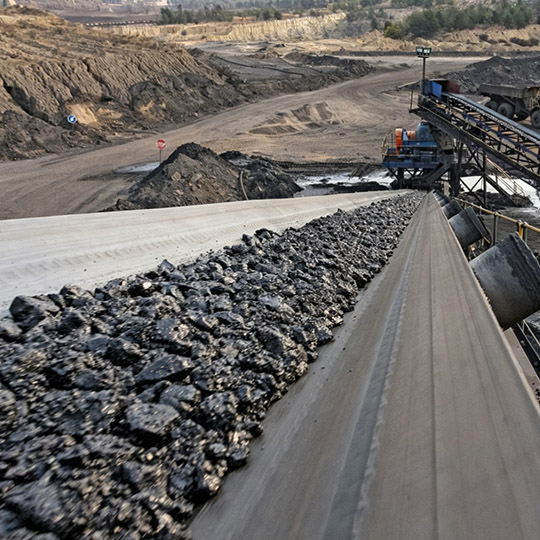
Troughed Belt Conveyor
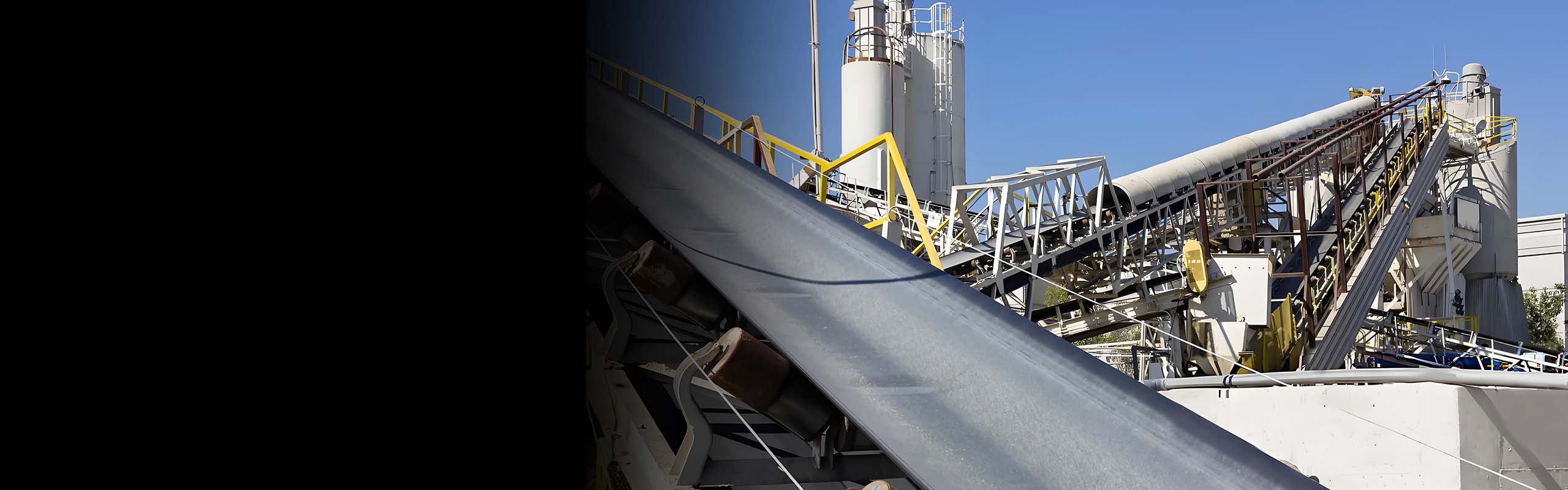
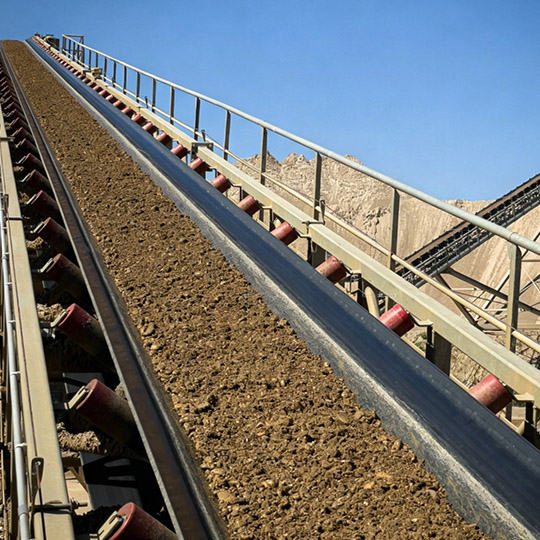
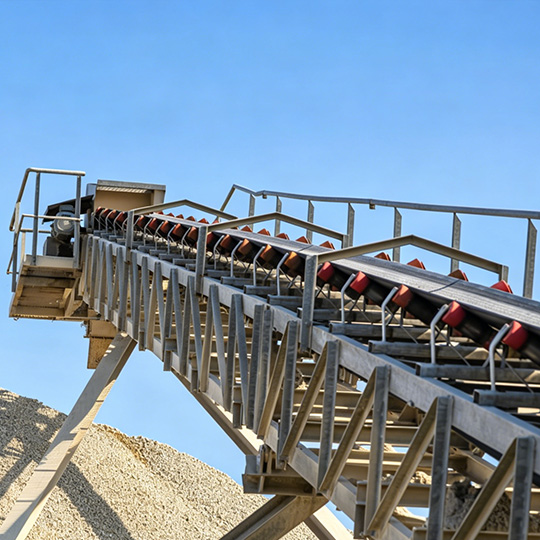
Our troughed belt conveyors are engineered to provide high-capacity, efficient transport for a wide range of bulk materials. Designed for durability in harsh environments, these systems are the backbone of operations in cement plants, mining industry, and power generation. Whether you are handling crushed stone, ores, or hot clinker, our conveyors ensure smooth material flow with minimal spillage.
What Is A Troughed Belt Conveyor?
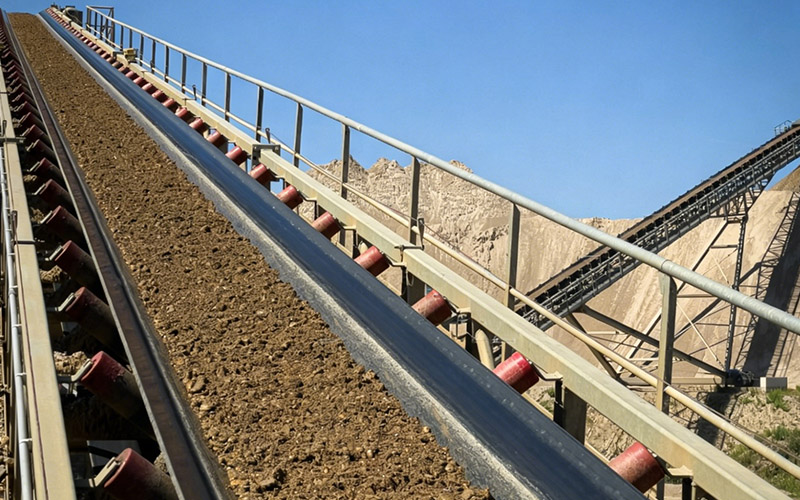
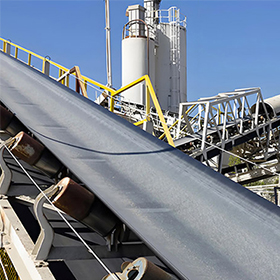
A troughed belt conveyor is the industry’s most efficient solution for transporting high volumes of bulk materials over long distances and challenging topographies. While belt conveyors come in various forms, the open troughed design is specifically engineered to handle the rigorous demands of cement production and large-scale mining operations.By supporting the rubber conveyor belt with specialized troughing idler sets—typically arranged in a 3-roll configuration—the belt forms a deep “U” shape. This profile not only increases the cross-sectional area for material but also ensures the highest possible mass flow among all continuous conveyor types.
- Technical Specifications
- Key Features of Troughed Belt Conveyor
- Industry Applications
| Parameter | Technical Details |
| Material Types | Cement, Coal, Ore, Sand, Clinker, Aggregates |
| Belt Widths | 500mm to 2000mm (Customizable) |
| Belt Type Compatibility | Steel Cord, Heat Resistant, Fabric (EP/NN) |
| Idler Configuration | 20°, 35°, 45° Troughing Idler Sets |
| Industry Standard | ISO, DIN, CEMA compliant |
To meet the rigorous demands of industrial applications, we integrate high-quality components and advanced engineering into every belt conveyor system:
-
Optimized Troughing Design: Utilizing 35° or 45° troughing idlers, our conveyors maximize cross-sectional area, significantly increasing the load capacity compared to flat belt systems.
-
Heavy-Duty Structure: Built with high-strength steel frames, our mining belt conveyors withstand the impact of heavy ores and continuous 24/7 operation.
-
Advanced Dust Control: For the cement industry, we offer enclosed options to maintain environmental compliance and reduce material loss during transport.
- Cement Industry: From limestone crushing to finished cement conveyor systems, we provide heat-resistant solutions that minimize maintenance.
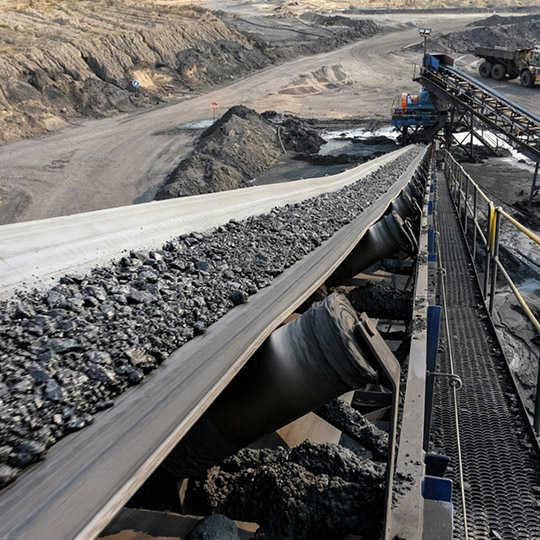
- Mining & Quarrying: Our mining belt conveyors are designed to handle high-tonnage transport of abrasive ores and minerals.
- Bulk Terminals: Efficient loading and unloading solutions using high-speed industrial belt conveyors.
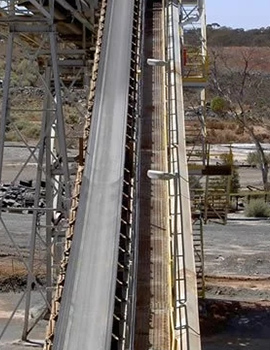
How Troughed Belt Conveyors Work?
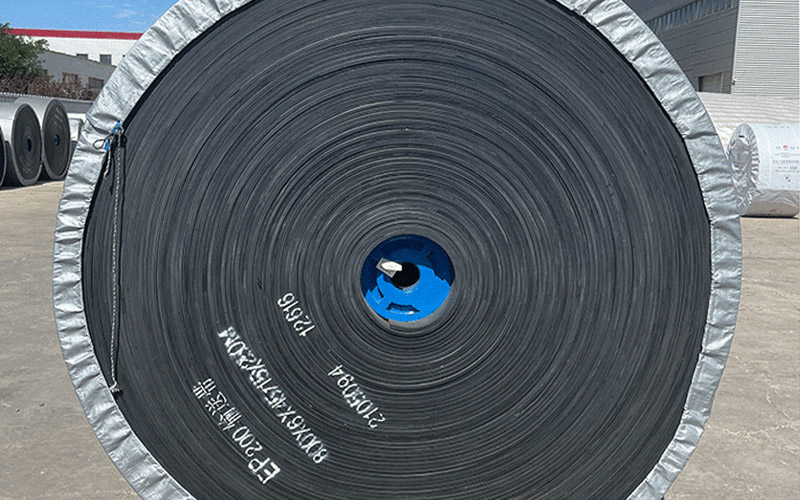
Premium Conveyor Belt Options
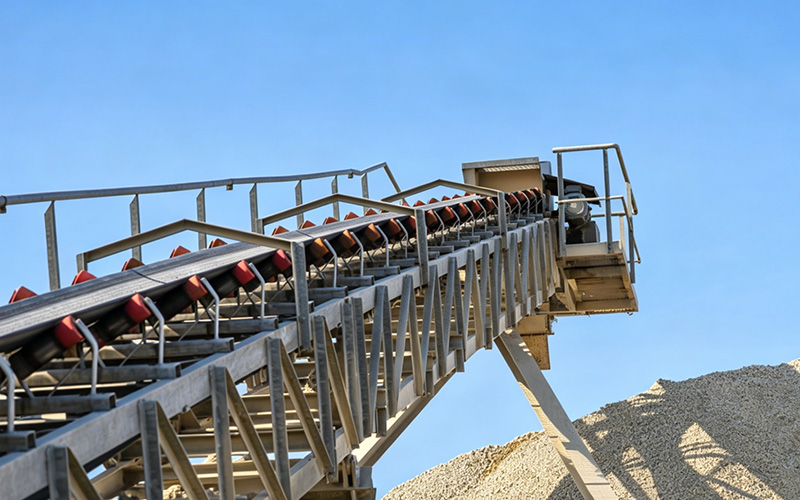
As a specialized belt conveyor manufacturer, we match the right rubber conveyor belt to your specific material characteristics:
- Heat Resistant Rubber Conveyor Belt: Essential for cement plant belt conveyors handling hot materials like clinker directly from the kiln.
- Steel Cord Conveyor Belt: The ideal choice for long-distance mining conveyors requiring high tensile strength and low elongation.
- Fabric Conveyor Belt (EP/NN): A versatile and cost-effective solution for general bulk handling in quarries and processing plants.
- Wear-Resistant Covers: All our belts feature high-grade covers to protect against abrasion and gouging in the mining industry.
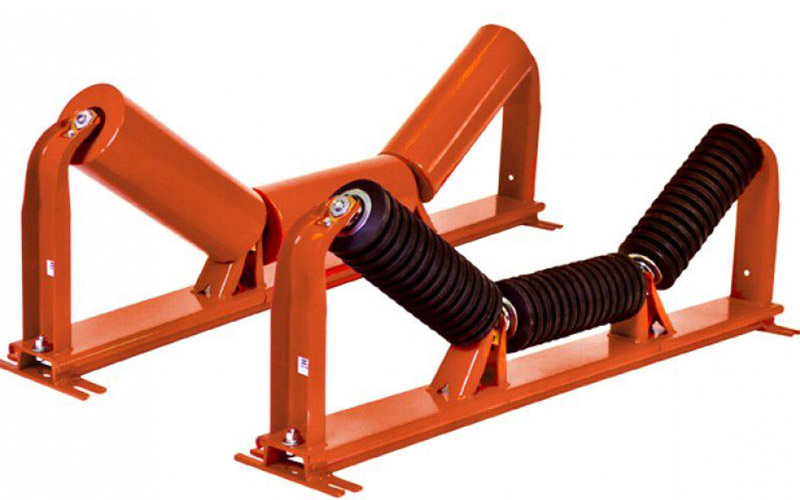
Precision-Engineered Components: Idlers & Rollers
The reliability of a troughed belt conveyor depends on its moving parts. We focus on the details that extend equipment life:
- High-Quality Conveyor Rollers: Our belt conveyor rollers feature labyrinth seals to prevent dust and water ingress, ensuring smooth rotation in the most punishing conditions.
- Troughing Idler Sets: Precision-aligned troughing idlers maintain belt tracking and support heavy loads without deformation.
- Impact Idlers & Frames: Positioned at loading points, these specialized idlers protect your rubber conveyor belt from damage caused by falling large-sized materials.
- Self-Aligning Idlers: Automatically correct belt mistracking to prevent edge wear and downtime.
Why Choose a Troughed Design?
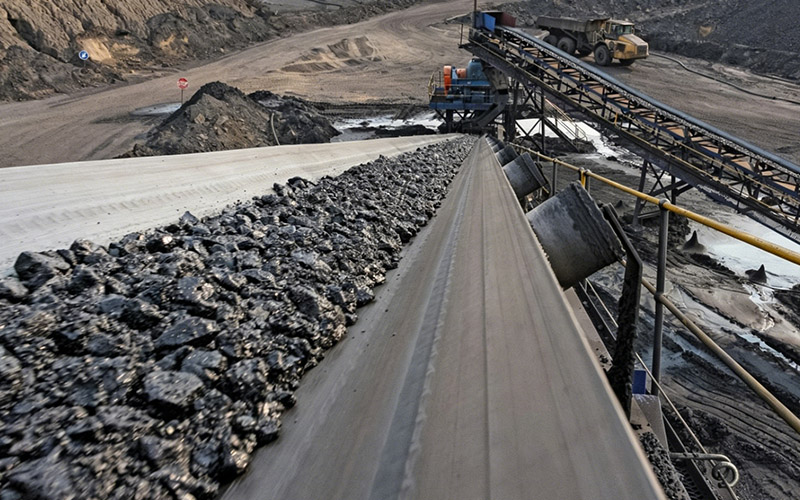
Compared to standard flat belts, the troughed belt conveyor is the industry standard for bulk material handling due to:
- Higher Capacity: The trough shape allows for a much larger cross-sectional area of material.
- Reduced Spillage: The inclined edges act as natural side-walls, keeping the material centered.
- Versatility: It is compatible with heavy-duty steel cord belts and heat resistant rubber belts, making it ideal for the extreme conditions found in mining and cement plants.
Related Products
The most common trough angles are 35° and 45°, though 20° is occasionally used for lighter or oversized materials.
-
35-degree idlers are the industry standard for general bulk material handling (such as sand, gravel, and coal), providing an optimal balance between high capacity and low belt stress.
-
45-degree idlers are selected when you need to maximize volume capacity or handle low-density powders, but they require a highly flexible rubber conveyor belt to prevent cracking along the crease lines.
Absolutely. For harsh cement plant environments, we equip our conveyors with specialized heat resistant rubber conveyor belts (such as specialized EPDM or synthetic rubber covers). These systems are engineered to continuously transport hot materials like cement clinker directly from the kiln at temperatures exceeding 180°C without compromising the belt’s structural integrity or causing premature wear.