Cement Grinding System Solutions | High Efficiency, Energy Saving, Reliable Performance
Technical Guide: Selecting Your Industrial Grinding Mill
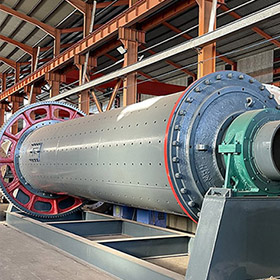
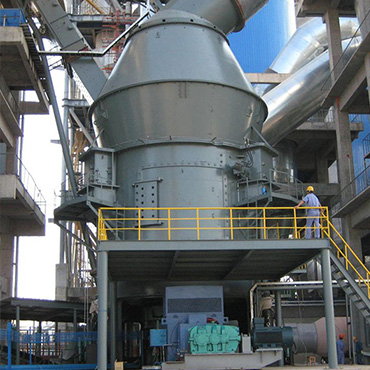
- Ball Mill vs. Vertical Roller Mill: Technical Comparison
- Industry Solution Focus
- FAQ: Key Questions About Grinding Mills
- Global Success in Industrial Grinding Solutions
| Feature Comparison | Ball Mill | Vertical Roller Mill (VRM) |
|---|---|---|
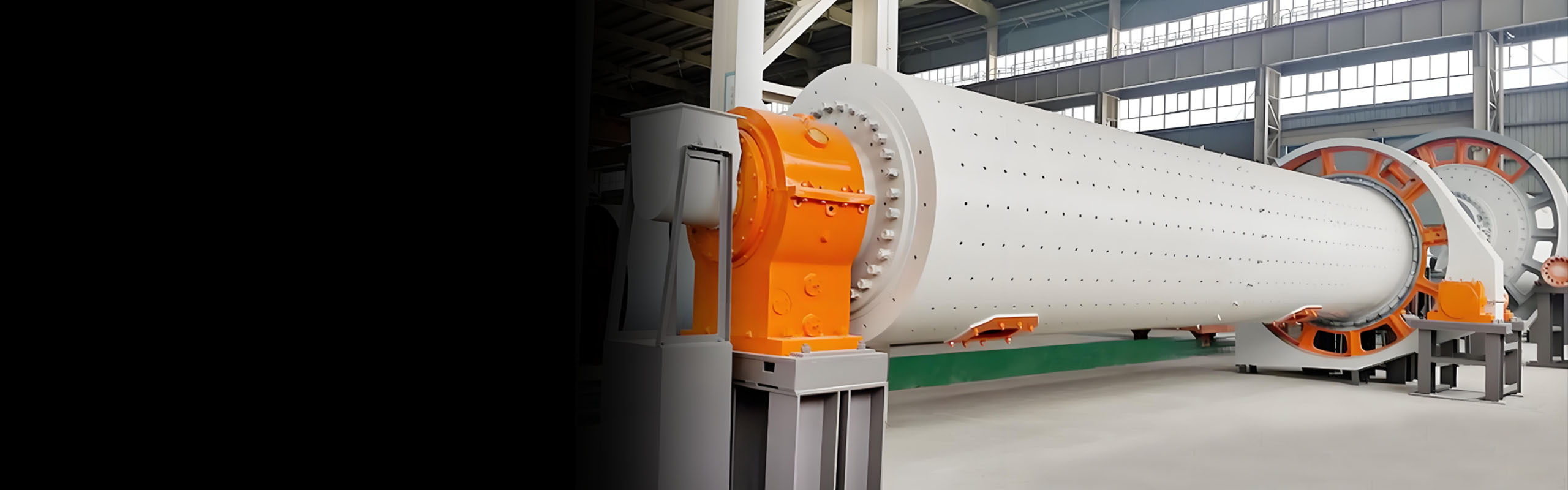
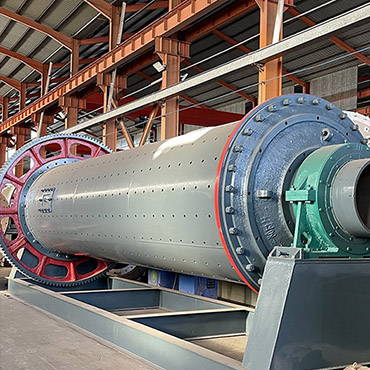
| Working Principle | Rotating cylinder with grinding media (steel balls) impacts and abrades the material. | Rollers hydraulically press against a rotating grinding table, with integrated drying via hot air. |
| Optimal Material Hardness | Medium to very hard materials (e.g., gold, copper, iron ore, quartz). | Low to medium hardness materials (e.g., cement raw meal/clinker, coal, limestone, slag). |
| Final Product Fineness | Very wide range, from coarse to ultra-fine (microns). | Relatively focused range, typically 80-325 mesh, with consistent particle size. |
| Energy Consumption | Higher specific energy consumption, especially for fine grinding. | Significantly more energy-efficient, saving ~20-30% vs. ball mills under comparable conditions. |
| System Complexity & Footprint | Relatively simple system, but the mill itself is large and space-intensive. | Highly integrated system (grinding, drying, classification), compact footprint, but more complex controls. |
| Wear & Maintenance | High wear of grinding media (balls) and liners. Ongoing consumable cost with straightforward replacement. | Core wear parts are rollers and table liners. Longer service life, but replacement is costly and technically complex. |
| Capacity Range (Single Unit) | Extremely adaptable, from lab-scale (kg/h) to large-scale (hundreds of tons/h). | Optimized for medium to large-scale continuous production (tens to hundreds of tons/h). |
| Drying Capacity | Minimal drying capacity. Usually requires pre-dried materials or a separate dryer. | Strong inherent drying capacity with hot gas flow, can handle materials with moisture up to 15-20%. |
| Initial Investment Cost | Lower mill cost, but may require higher auxiliary and installation costs. | Higher mill cost, but potential savings in auxiliary equipment and civil works due to integration. |
| Typical Industries | Mining (beneficiation), Metallurgy, Power (coal pulverizing), Ceramics. | Cement (raw/coal/slag grinding), Building Materials, Chemicals, Non-metallic Mineral Processing. |
We provide targeted professional grinding systems for different industries.
1. Cement Industry: Solutions for Higher Output & Lower Consumption
-
Pain Points: High grinding power consumption (up to ~60% of plant total); need to use low-cost additives like slag.
-
Solutions:
-
Raw Meal Prep: Vertical Roller Mill (VRM) saves 20-30% power with efficient drying.
-
Coal Prep: Vertical Coal Mill ensures stable, safe, and reliable operation.
-
Cement/Slag Grinding: Large Ball Mill improves product strength.
-
-
Value: Reduce Power > Increase Capacity > Lower Material Cost to boost profit.
2. Mining (Mineral Processing): Solutions for Efficiency & Cost Reduction
-
Pain Points: Grind size directly affects recovery rates; high media/energy costs.
-
Solutions:
-
Coarse Grinding: Overflow Ball Mill for high throughput.
-
Fine Grinding: Grate Ball Mill or Agitator Mill to increase recovery by 1-3%.
-
Wear Parts: Custom liners & grinding media to reduce consumption.
-
-
Value: Optimize Particle Size > Improve Recovery > Lower Cost per Ton for higher returns.
3. Power & Steel Industries: Solutions for Fuel & By-Product Processing
-
Pain Points: Power plants need stable coal powder supply; steel plants need to process slag/gypsum.
-
Solutions:
-
Power Plant: Vertical Coal Mill for stable, low-power operation.
-
Slag Grinding: Roller Press + Ball Mill system produces high-value slag powder.
-
Gypsum Processing: Dedicated Ball Mill for simultaneous drying & grinding.
-
-
Value: Secure Fuel Supply > Transform Waste > Meet Environmental Goals for dual benefits.
Q1: What is a Ball Mill? How Does it Work?
A: A ball mill is a type of industrial grinder that uses the principle of impact and attrition to reduce material size. It consists of a rotating horizontal cylinder (the drum) partially filled with free-moving grinding media, typically high-chrome or manganese steel balls. As the cylinder rotates, the balls are lifted and then cascade down onto the material, repeatedly striking and grinding it into a fine powder.
It is highly versatile, supporting both dry and wet grinding processes, and is capable of handling a wide range of material hardness, from soft minerals to extremely hard ores.
Q2: What is Cement Grinding?
A: Cement grinding is the final stage in cement manufacturing. It is the process of pulverizing clinker (the main intermediate product from the kiln) along with a controlled amount of gypsum (to regulate setting time) and potentially other additives like slag or fly ash into a fine powder with a specific particle size distribution.
This step is critical because the fineness and particle size distribution directly determine the final strength and quality of the cement. It is also the most energy-intensive process in cement production, making the choice of an efficient grinding system crucial for operational costs.
Q3: How Much Does a Ball Mill / Vertical Mill Cost?
A: The cost of an industrial grinding mill varies significantly and is influenced by several key factors:
-
Capacity & Scale: A small laboratory-scale ball mill may cost a few thousand dollars, while a large industrial Vertical Roller Mill (VRM) for a cement plant represents a capital investment of several million dollars.
-
Configuration & Materials: Specific requirements for wear protection, motor power, ancillary equipment, and the abrasiveness of the processed material greatly affect the final price.
For a precise quotation, please provide your specific production capacity, material characteristics, and desired product fineness. Our engineering team can then recommend the optimal solution.
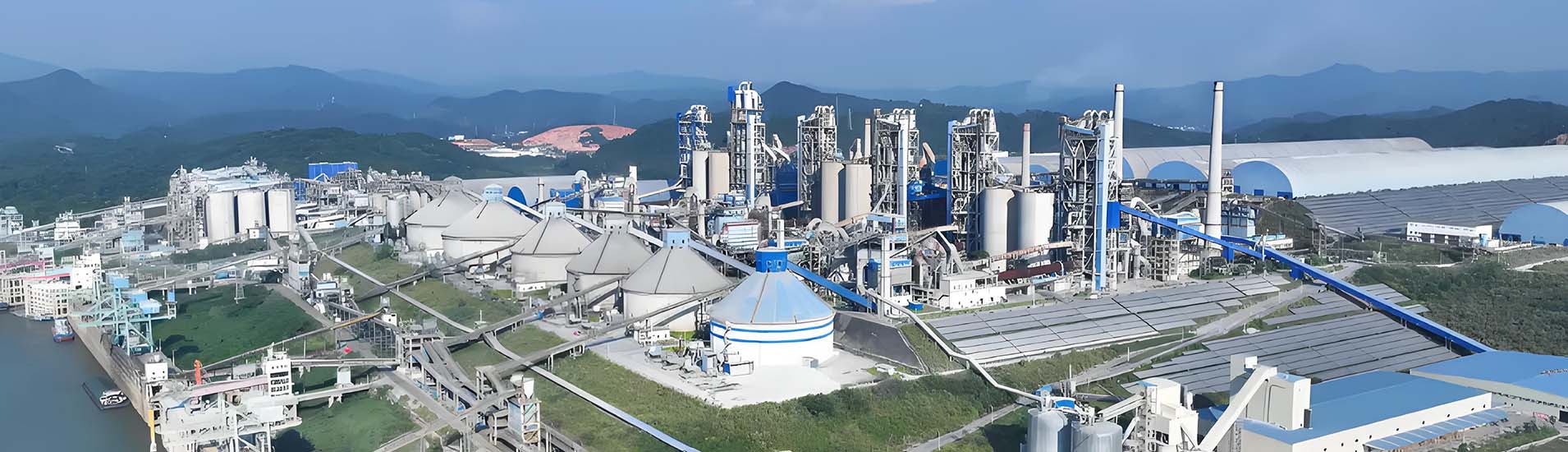
Our grinding equipment and mill systems deliver proven results across industries: from cement plant retrofits saving over 30% energy, to slag processing lines for steel mills, and ball mill solutions boosting mineral recovery rates to 93.5%. These cases show how our technology creates economic and environmental value.
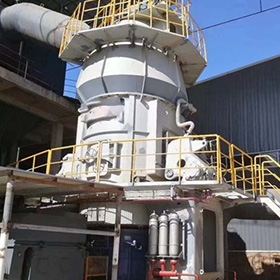
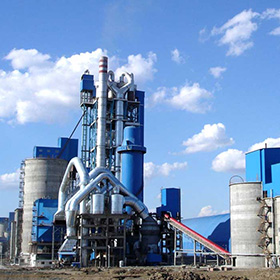
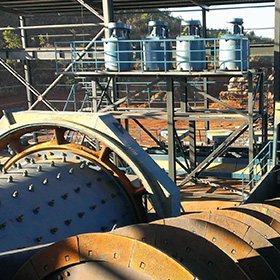
Learn More About Darko's Cement Grinding Systems
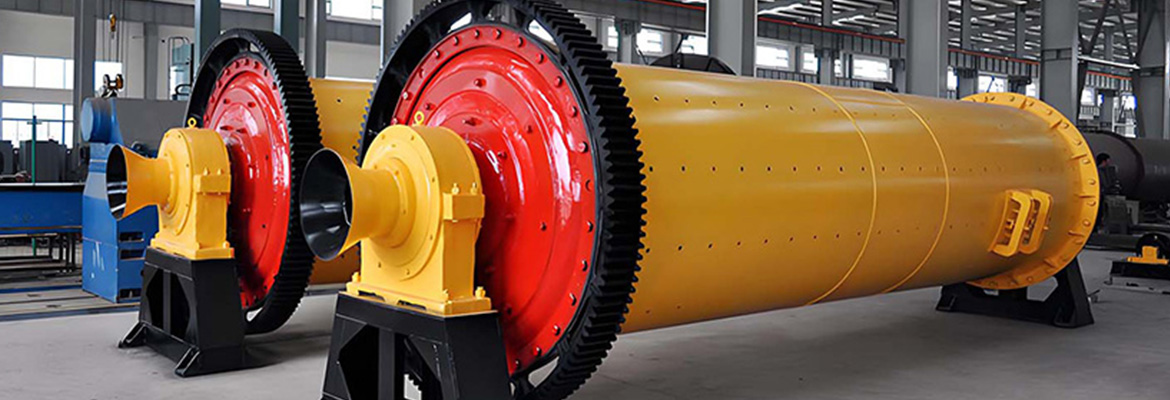
Why Choose Darko's Cement Grinding Systems?