


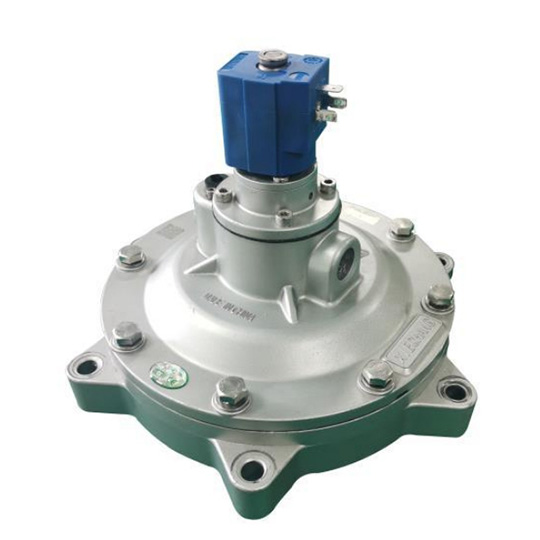
Pulse Valve for sale
- Operating Pressure: 0.2~0.8 MPa
- Responsive:0.023~0.027 seconds
- Pulse Valve Diaphragm: ≥1,000,000 times
- Nominal Diameter: DN20~DN80
- Applicable Medium: Clean, dry, and oil-free compressed air
Pulse Valve Working Principle
The pulse valve is a type of diaphragm valve specifically designed for instant opening and closing, typically controlled by a solenoid pilot valve. Upon receiving an electrical signal, the pilot valve opens to release pressure, causing the main diaphragm to lift rapidly, allowing high-pressure gas to be expelled in a very short time, creating a “pulse.” After the blowing ends, it automatically closes, waiting for the next signal. A typical application is in the bag dust collector’s cleaning system, where it sequentially blows out filter bags to remove accumulated dust.
Pulse Valve by Construction
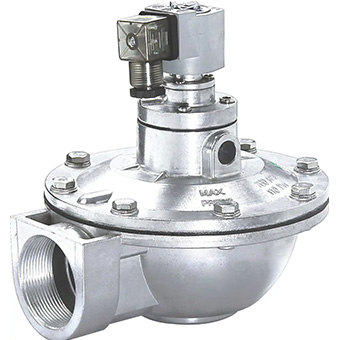
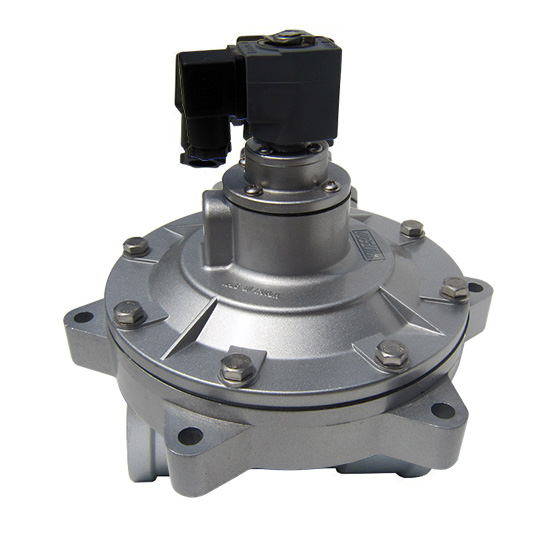
“Z” represents “right-angle ” (the angle between the inlet and outlet is 90°), with the input end and the output end arranged vertically, resembling the letter “Z”.
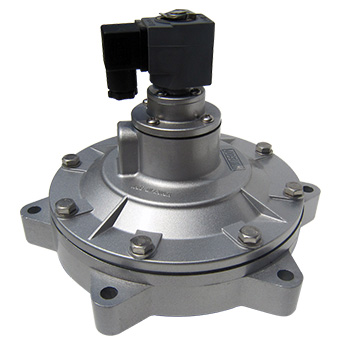
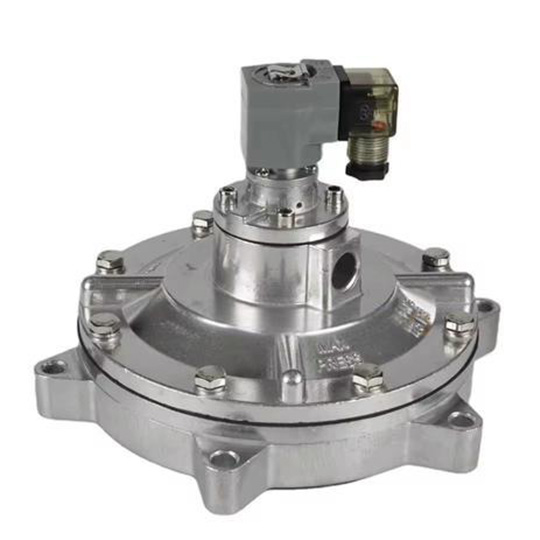
“Y” represents “submerged” (also known as embedded), and this pulse valve is directly installed inside the air tank, as if “submerged” in the air source.
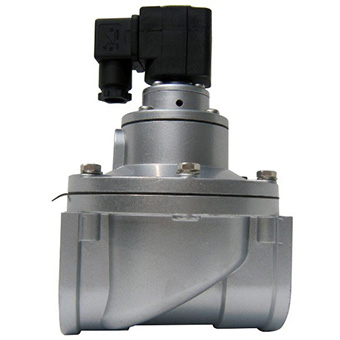
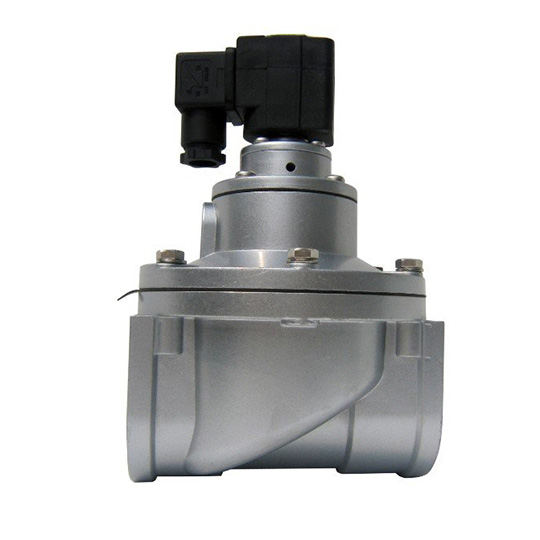
“ZM” stands for “Direct Flow” (also known as Tube Connection). The inlet and outlet are on a straight line (with an angle of 180°), and the airflow channel is more smooth.
Pulse Valve by Size
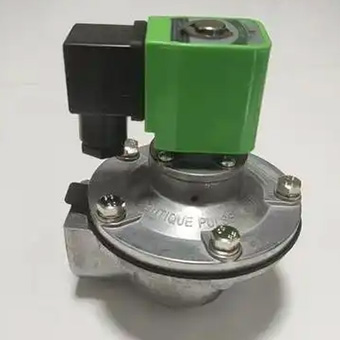
It can achieve microsecond-level opening and closing, and is suitable for high-frequency cleaning cycles (20-60 times per minute)
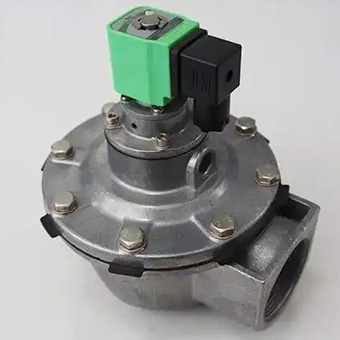
The right-angle design saves space and is suitable for small bag-type dust collectors with shorter filter bag lengths.
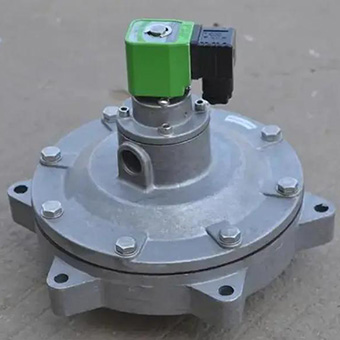
The single blast volume can reach 0.03 – 0.05 m³, meeting the dust removal requirements of medium-sized systems.
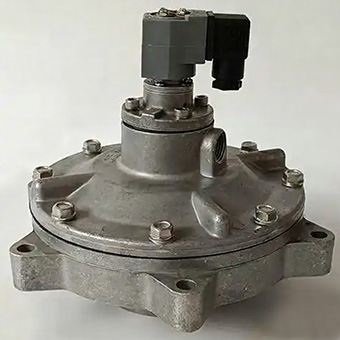
The blowing flow is large and the resistance is low. It can be adapted to a wide pressure range of 0.1 – 0.7 MPa.
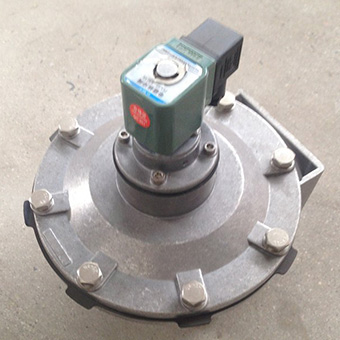
With an inner diameter of over 76mm, the resistance of air flow is low and the energy utilization rate is high.
Special-function pulse valve
-
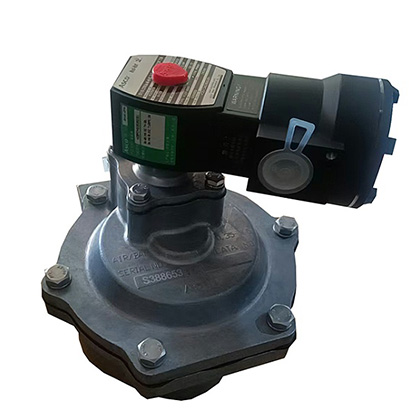 Explosion-proof Pulse Valve
In areas with the risk of dust or gas explosions, the explosion-proof pulse valve safely and reliably controls the instantaneous release of compressed air, enabling the efficient cleaning of the dust removal system and eliminating the potential risk of secondary explosions caused by electric sparks.
-
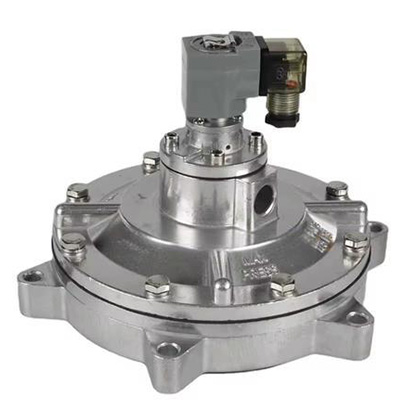 Low-pressure Long-pulse Valve
This pulse valve can still achieve efficient dust removal under a low pressure environment of 0.2–0.6 MPa. It is particularly suitable for long filter bags (such as those over 8 meters in length), high dust concentration and systems with high resistance.
-
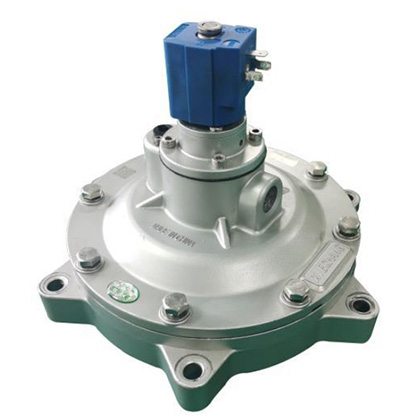 Intelligent Pulse Valve
Its core lies in integrating sensors, signal acquisition and communication modules, enabling real-time monitoring of working conditions, self-diagnosis of faults and remote control, significantly enhancing the intelligence level and operation efficiency of the dust removal system.
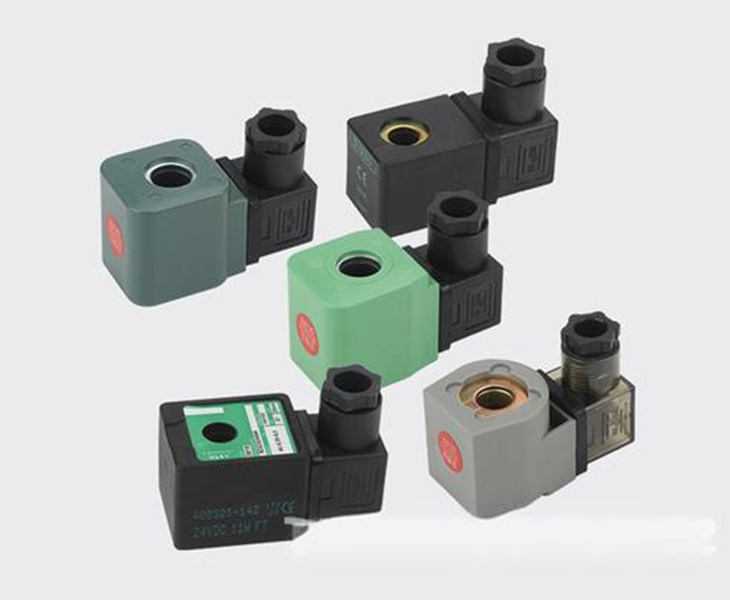
Solenoid Valve Assembly
The solenoid valve assembly is the core driving component, serving as the “central nervous system” of the pulse valve, responsible for converting electrical signals into mechanical actions to control the opening and closing of the valve. It plays a crucial role in industrial automation, environmental dust removal and other systems, ensuring that fluids (such as compressed air) are precisely sprayed according to instructions.
- Voltage:DC12V,DC24V,AC24V,AC110V,AC220V(50/60Hz)
- Response time:<0.03s
- Pressure:0.7–1.2MPa
- Temperature:-25℃ to +85℃
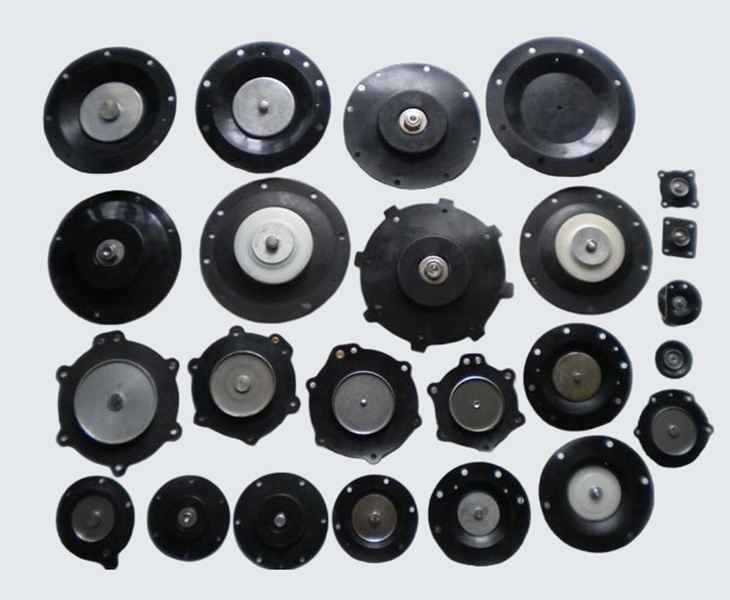
Diaphragm
The pulse valve diaphragm is the core control component in the bag-type dust collector’s cleaning system. It is mainly used to control the instantaneous air jetting of compressed air to remove the accumulated dust on the filter bags, ensuring the dust removal efficiency.
- Material:NBR、FKM、EPDM、PTFE
- Temperature:-20℃ to +232℃
- Pressure:0.4–0.8MPa
- Size(mm): 25, 38, 50, 63, 76
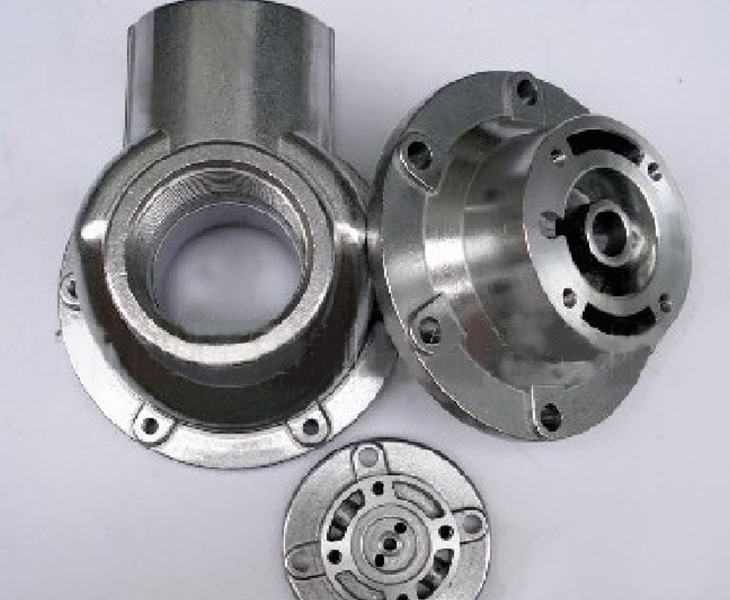
Pulse Valve's Body
The pulse valve’s mian structure is made of aluminum alloy, featuring a lightweight design. Its weight is approximately 40% lighter than that of stainless steel, making it suitable for frequent opening and closing operations.
surface treatment:
- Anodizing: Enhances the hardness and wear resistance of aluminum alloy surfaces.
- Transparent paint coating: Prevents oxidation and chemical corrosion.
- Diamond-like carbon film (DLC) coating: Used for sealing surfaces, with a hardness of up to HV3000, achieving zero leakage at 2.5 MPa.
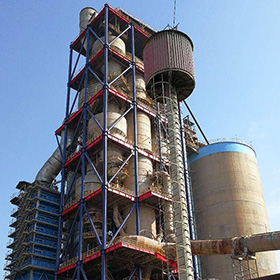
Pulse Valve in Cement Plant
- Submerged-based
- Blowing pressure: 0.5 – 0.6 MPa;
- Pulse duration: 0.1 – 0.2 seconds;
- Cleaning cycle: 30–60 seconds (triggered by pressure difference)
- Diaphragm: Fluororubber (FKM)
- Valve body material: Aluminum alloy die-casting
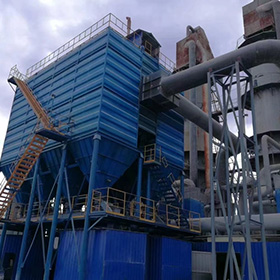
- The right-angle type
- Blowing pressure: 0.4–0.5 MPa
- Pulse time: 0.1–0.2 s
- Cleaning cycle: 45–75 s (constant pressure difference)
- Diaphragm: Fluororubber (FKM) + anti-acid coating
- Valve body material: Stainless steel.
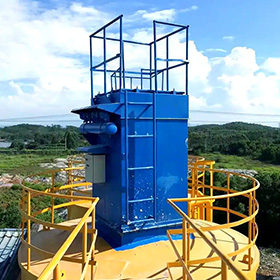
- Miniaturized right-angle type
- Blowing pressure: 0.4–0.6 MPa
- Pulse time: 0.1–0.15 s
- Cleaning cycle: 60–120 s (timed)
- Diaphragm : Fluororubber (FKM)
- Valve body material: Aluminum alloy
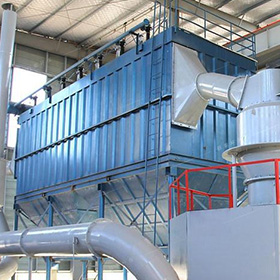
- Submerged or high-pressure right-angle type
- Blowing pressure: 0.5–0.7 MPa
- Pulse time: 0.08–0.15 s
- Cleaning cycle: 3–5 min (low frequency high energy)
- Diaphragm: Fluororubber (FKM)
- Valve body material: Stainless steel
Related Product
-
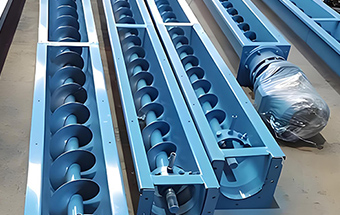
-
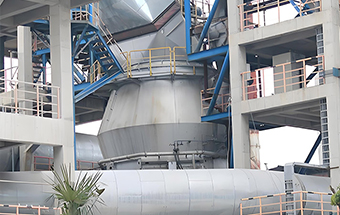
Using material bed grinding increases the fine powder proportion in extruded materials.
-
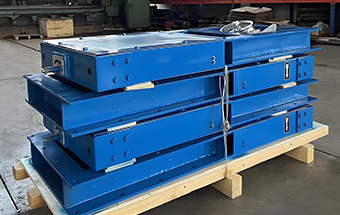
The groove-free design prevents blockages and is ideal for materials like ash and cement.
FAQ
The service life of the pulse valve is usually 1 million blowing cycles or 3 to 5 years. However, in actual working conditions, it is affected by various factors, and the service life may be significantly shortened to 2 to 3 years or even shorter.
When pulse valves have weak blowing or poor dust clearing, it’s usually linked to the air source, air quality, or blowing pipes.
- Low Air Pressure (<0.3 MPa): This may stem from compressor wear, leaks, or added air devices. Repair the compressor, check for leaks with soapy water, and consider upgrading if needed.
- Oil and Water Contamination: Caused by a faulty oil-water separator or lack of maintenance. Install an oil-water separator and a filter with ≤5μm precision. Regularly maintain the drying system and replace desiccants. Replace corroded diaphragms.
- Blowing Pipe Issues: Long-term wear, damage, or blockages can cause leaks. Check and repair or replace damaged pipes, clear spray holes, and align pipes using a laser tool to ensure proper airflow.
Addressing these issues can restore the pulse valve’s performance and improve the dust collector’s efficiency.
The fundamental cause of overheating or burning out of the solenoid valve lies in excessive current or poor heat dissipation, which causes the temperature to exceed the heat resistance limit of the insulating material, ultimately leading to insulation breakdown, short circuit and even burning.
Common causes :
- Voltage fluctuation exceeds ±15%
- Overload caused by prolonged power supply or frequent start-stop operations
- Wet coils and aging insulation
- Poor heat dissipation or excessively high environmental temperature
Poor valve core movement: There is friction or jamming between the valve core and the valve chamber, which will cause abnormal sounds during operation. Solution: Disassemble the pulse valve, clean the impurities inside the valve core and the valve chamber, and apply an appropriate amount of lubricant to the contact areas to ensure the valve core moves freely.
Component loosening: The solenoid valve is not firmly fixed, the connection terminals or bolts are loosened due to blasting vibration, which will cause vibration and noise. Solution: Re-tighten the electromagnetic coil, connection terminals, and all bolts, and install anti-loosening washers if necessary.
Fluid impact: If the blasting pressure is too high or the air flow speed is too fast, the fluid will exert a strong impact on the valve body. Solution: Adjust the blasting pressure to a reasonable range of 0.4-0.6 MPa, optimize the blasting parameters, and reduce the intensity of the air flow impact.