


Air Slide
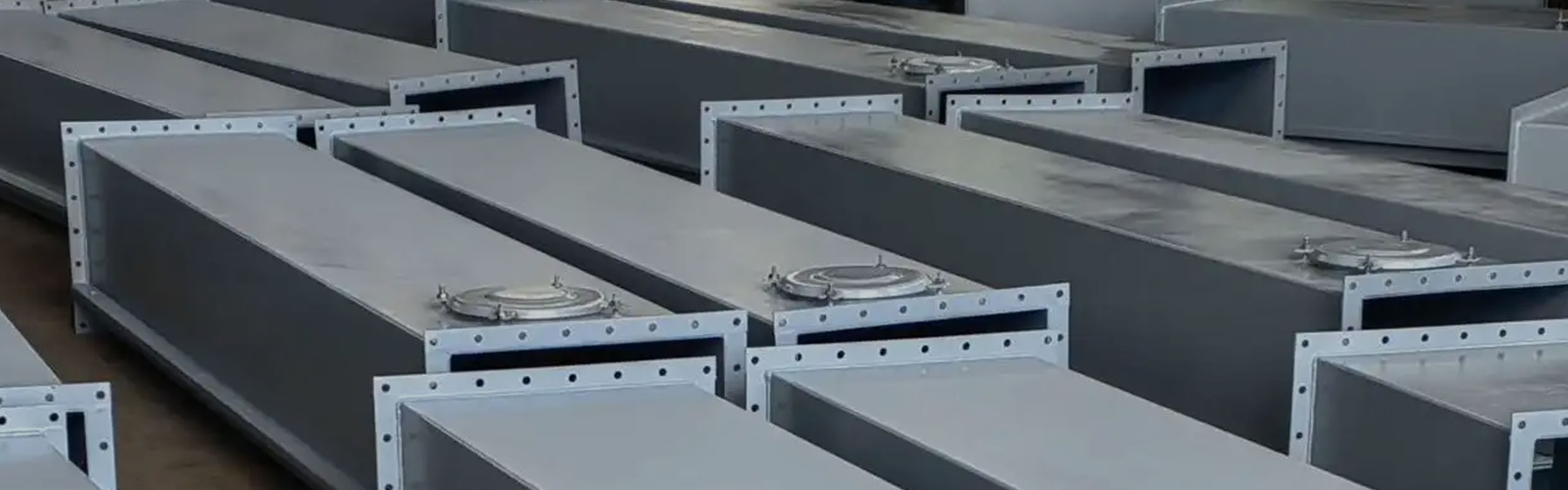
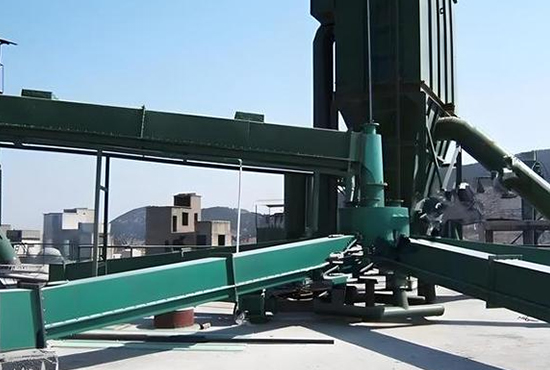
The air slide is a specialized conveyor that utilizes pneumatic conveying technology for horizontal or inclined transportation of dry powder materials. It is widely used in industrial scenarios involving easily flowable materials such as cement, fly ash, and raw material powder.
Types of Air Slide
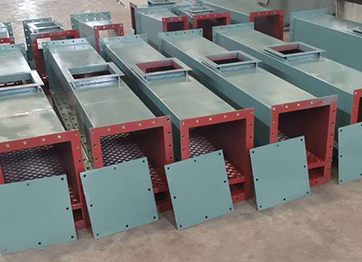
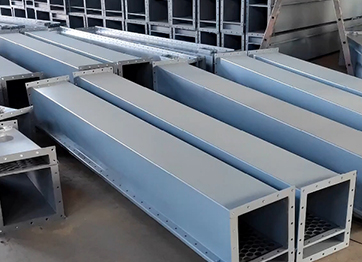
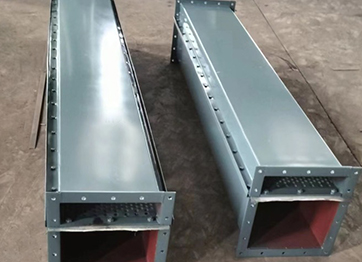
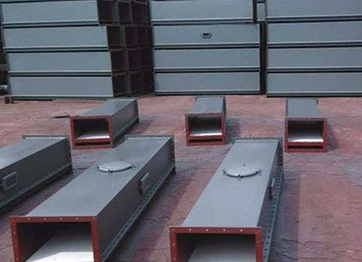
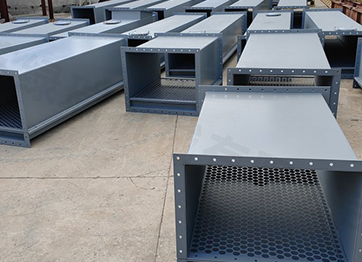
Featured Air Slide
-
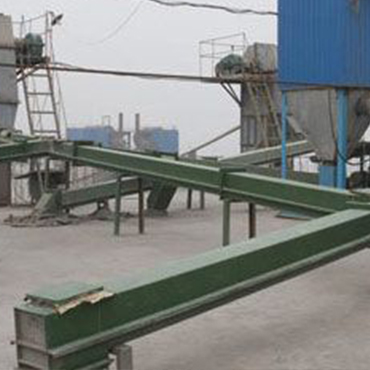
The cement air slide can achieve a wide range of conveying capacity of 50–900 t/h. It is energy-saving and environmentally friendly, and is the core equipment for realizing low dust and high-efficiency continuous conveying in modern cement production lines.
-
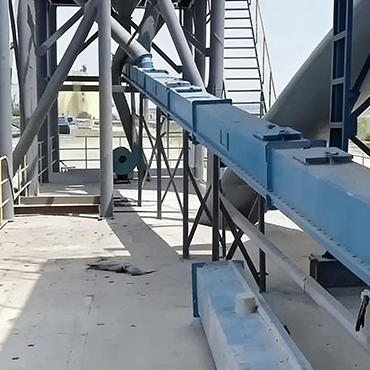
The raw meal powder has a slightly poor fluidity and a large variation in moisture content. Therefore, the design of the raw meal alir slide places greater emphasis on maintaining a stable fluidization process. The installation inclination angle should be no less than 8°, and a variable airflow fan should be configured to cope with changes in the material.
-
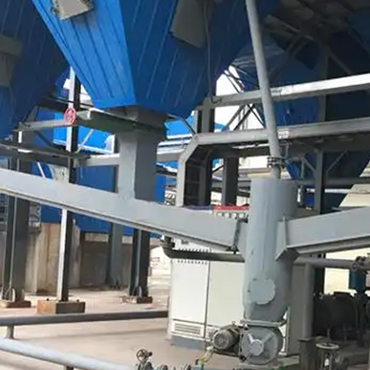
The fly ash air slide is used to discharge ash from silos, transfer it in storage areas, and in concrete batching systems. With an anti-static breathable layer and outlet bag dust collector, the air slide conveyor system ensures micro-negative pressure operation and prevents secondary pollution.
-
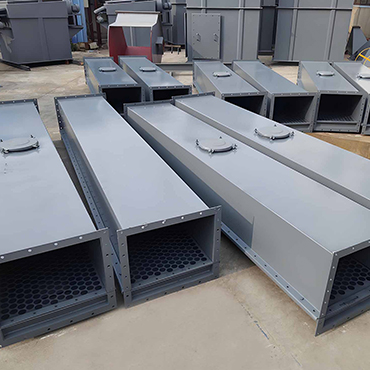
The slag powder air slide generally uses specifications of XZ500 and above, with an installation angle controlled between 8° and 10°. The air slide canvas features a durable, stable polyester composite breathable layer that is both wear-resistant and permeable.
-
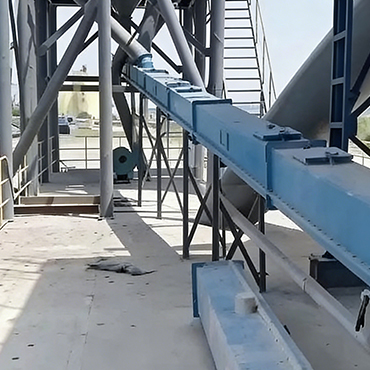
The gypsum powder air slide is mostly used in the auxiliary batching line and is often combined with a three-way chute and a diversion valve to achieve multi-point distribution. It has a compact structure and is easy to maintain, making it an ideal choice for achieving precise feeding and dust-free production.
-
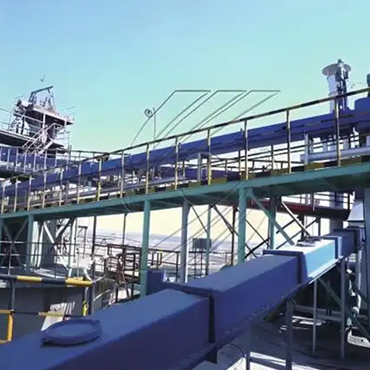
The alumina powder air slide is widely used in the raw material transportation process , for transporting alumina from the silo to the electrolytic cell system. The alumina powder is a dry fine powder with a particle size of ≤ 6mm, but it has certain abrasiveness and requires a high wear resistance for air slide canvas.
-
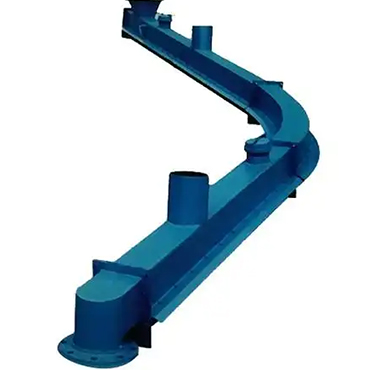
The flour air slide has excellent hygiene and explosion-proof properties. We use explosion-proof fans and electrical components that comply with ATEX standards. The air slide housing and plates is with food-grade non-toxic breathable materials to ensure safety and hygiene.
Air Slide for Applications
-
The fully enclosed conveying structure of air slide reduces dust leakage. It improves the working environment and meets environmental standards. Excess gas goes to the exhaust port and then to the dust collector for purification, ensuring clean emissions.
-
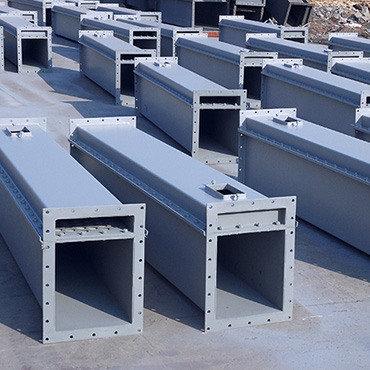
The silo air slide can be laid out at various slopes for linear or curved transportation. It allows for convenient multi-point unloading, accommodating different ash silo structures.
-
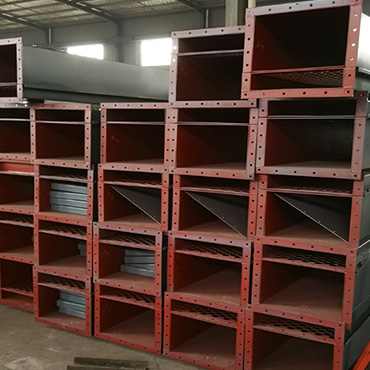
The air slide has no mechanical rotating parts, and its structure is simple with low maintenance costs. Compared with screw conveyors, the air slide has less wear and a longer lifespan. It does not require dedicated personnel to be on duty on a daily basis, and the annual maintenance cost is only 2.12% of that of the screw conveyor, significantly reducing the operational burden.
-
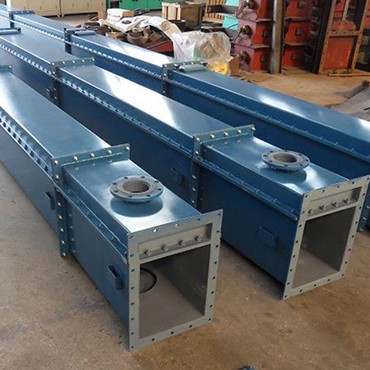
The air slide can be arranged at an inclination of 4° to 12°. It supports complex orientations like bends, three-way junctions, and diversions. This allows for parallel or switching feeding of multiple packaging machines in limited workshop space, enhancing system flexibility.
-

The air slide operates smoothly with low noise. The raw material powder flows in a fluidized state under the effect of the air cushion, causing minimal wear to the channel body and the breathable layer. During operation, there is almost no noise or vibration.
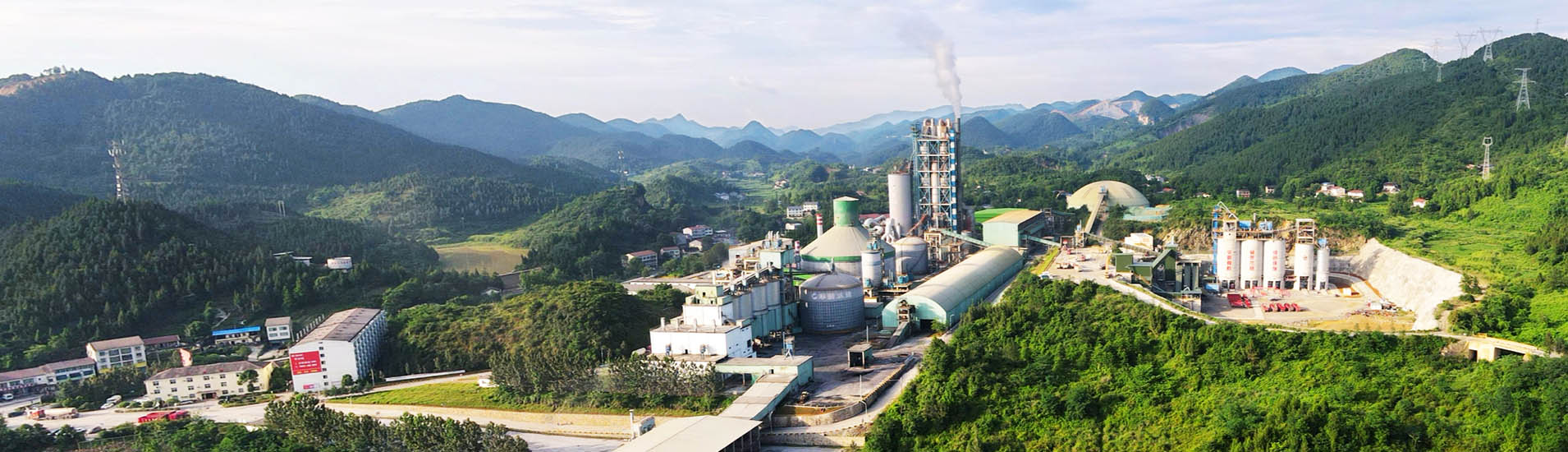
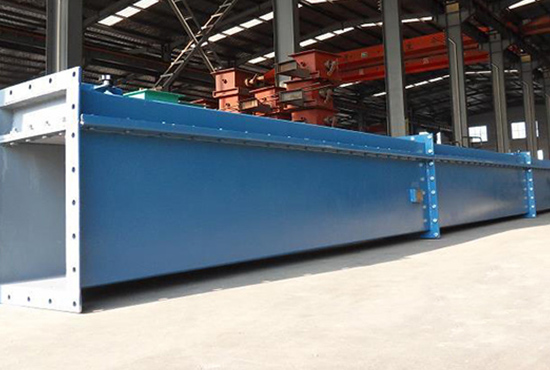
Air Slide housing
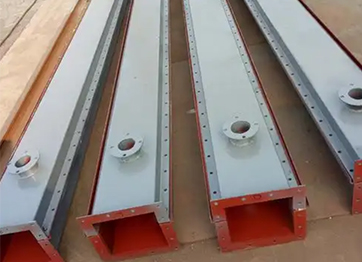
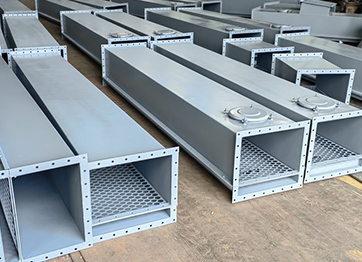
The upper and lower housings are air slide’s core structural components. The upper housing serves as the material chamber for conveying materials, while the lower housing functions as the air chamber for supplying compressed air. The two are connected by flange bolts.
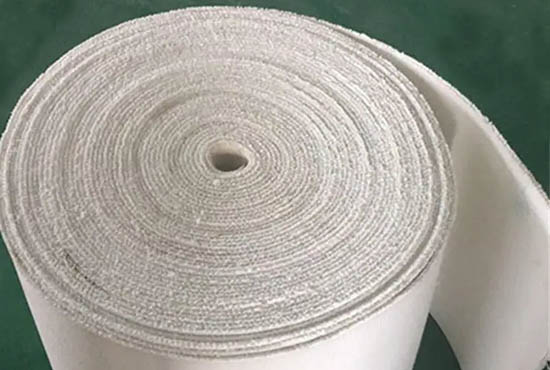
Air Slide Canvas
Material: Polyester short fibers, synthetic fiber fabric, ceramic porous plate
Thickness: 4–6 mm.
Temperature Resistance: ≥150℃.
Permeability: Uniform and stable, resistance 800–1200 Pa.
Mechanical Strength: Radial breaking strength ≥4700 N/cm.
Performance Characteristics: Wear-resistant, corrosion-resistant, moisture-proof, layer adhesion resistant, dust-free.
Service Life : 3 – 5 years.
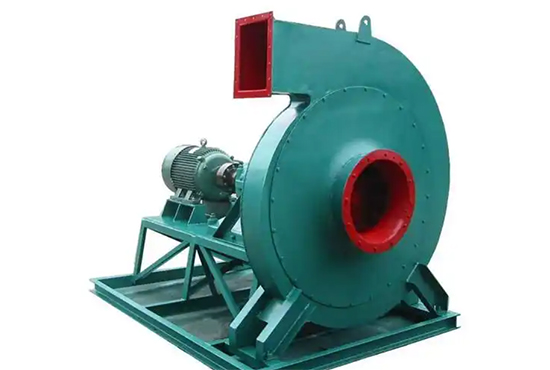
Air Slide Fan
Air Pressure: 4000–6000 Pa (approximately 400–600 mm water column).
Air Consumption per Unit Area: 1.5–2.5 m³/(min·m²)
Adjustable based on material characteristics and chute width.
Fan Type: High-pressure centrifugal fan.
Drive Method: A-type direct drive.
Rotation Direction: Can be designed for clockwise or counterclockwise rotation.
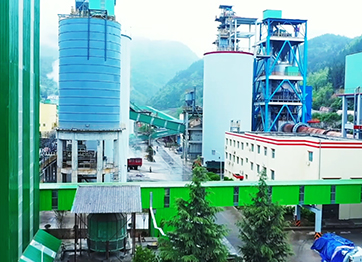
Air Slide Project Case
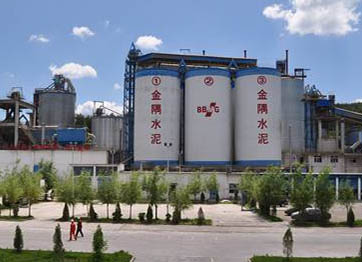
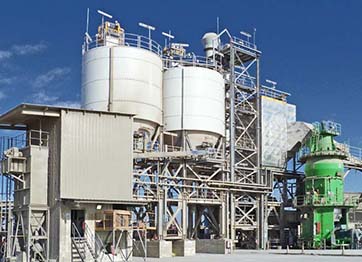
- Standard Length
- Air Consumption
- The installation angle of the air conveying chute is a key parameter for ensuring the stable transportation of materials, and it directly affects the flow efficiency and the reliability of the system.Installation Angle
The standard and customized sections of the air slide serve different purposes. They aim to balance system standardization with the flexibility needed for on-site processes.
| Type | Air slide width
(mm) |
Standard section length (mm) | Customized section length
(mm) |
|
| XZ200 | 200 | 2000 | 3000 | According to the requirements |
| XZ250 | 250 | 2000 | 3000 | According to the requirements |
| XZ315 | 315 | 2000 | 3000 | According to the requirements |
| XZ400 | 400 | 2000 | 3000 | According to the requirements |
| XZ500 | 500 | 2000 | 3000 | According to the requirements |
| XZ630 | 630 | 2000 | 3000 | According to the requirements |
| XZ800 | 800 | 2000 | 3000 | According to the requirements |
Air consumption should depend on several factors, including the type of material, particle size, layer thickness, and the incline angle of the air slide. Specifically, when the incline angle is small, it is advisable to use a larger value. Conversely, a smaller value is more appropriate for larger angles.
Importantly, you can not arbitrarily adjust air consumption. For instance, if the airflow is too low, it can prevent normal transportation and may even cause blockages. On the other hand, if the airflow is too high, it can lead to the material entering a fluidized state, which ultimately reduces conveying capacity. This situation can also result in improper fan selection, thereby increasing the load on the dust collection system.
The equation is :
V=60×a×1000×L/B
- is the air consumption (m³/h)
- a is the air consumption per unit area (m³/m²·min)
- B is the width of the air slide (mm)
- L is the length of the air slide (m)
The installation angle of air slide is a key parameter for ensuring the stable transportation of materials, and it directly affects the flow efficiency and the reliability of the whole conveyor system.
If the inclination angle is too small, it will lead to slow material flow and local accumulation of materials. If it is too large, it may cause material splashing, which will affect the stability of the system.
Cement: 6°–10°
Raw material, slag micropowder: 8°–12°
Fly ash, flour: 6°–8°
Why do you need to choose an air slide for your conveyor system?
The air slide, with its unique working principle and outstanding performance, has become an indispensable equipment in modern industrial production. It not only improves material transport efficiency but also significantly reduces operational costs, creating remarkable economic benefits and social value for you.
As a professional manufacturer of pneumatic conveying systems,Darko is committed to providing the highest quality industrial conveying solutions to our customers. With advanced production equipment and a skilled technical team, our air slides are distributed nationwide and exported overseas, earning the trust of a wide range of users. We will continue to uphold the philosophy of innovative development, promote technological progress in the industry, and create greater value for our customers.
Under the specified selection and operation, the air slide blockage rate is extremely low.
There are some common causes of blockage:
- High Moisture Content of Material
The moisture content of the material is high leading to hydration or clumping of the material, affecting the permeability of the air layer and resulting in blockage. - Impurities Entering the Chute
Iron slag and small fragments accumulate on the surface of the air-permeable layer, obstructing the fluidization of the material and causing localized blockages. - Air Slide Structure or Installation Issues
Cracks or poor seals in the porous plate can cause airflow to spray out from the gaps, creating air columns that block the material from flowing.
If the installation angle is too small (generally should be maintained at 6°–10°), the material flow speed slows, leading to potential retention.
Poor sealing and severe air leakage can prevent the system from forming an effective fluidized air cushion. - Improper Operation and Control
Insufficient or suddenly decreased airflow and pressure from the fan affects the material’s suspension effect.
Poor ventilation in the upper chute body can create positive pressure inside, suppressing material suspension.
This is entirely feasible. The air slide conveyor system achieves flexible layout by configuring the following components:
- Three-way chute / Four-way chute: Enables multiple exits from one inlet or one exit from multiple inlets.
- Electric slide valve / Pneumatic switching valve: Automatically switches conveying paths.
- Air cutoff valve: Segmented control for energy-saving operation.
For scenarios with limited space, the air slide needs to break through the traditional linear layout restrictions and achieve efficient transportation through structural innovation, system collaboration and customized design. Usually, we adopt the following layout optimization strategies.
- Z-Shaped / Stair-Step Zigzag Layout
In areas with limited height, a “Rising-Horizontal-Dropping” three-segment zigzag layout is adopted, utilizing 90° bend air slide chutes for height compensation. Each segment maintains an incline of ≥4%, with a total conveying length extended to over 200 meters, suitable for material transfer between multi-level platforms.
- Segmented Air Blowing and Pressure Balancing
An independent air blowing interface is set every 30–50 meters to prevent atmospheric pressure drop over long distances. Air blowing points should be located slightly above the midpoint of the chute to prevent the airflow below from impacting and causing material accumulation.
- Multi-Path and Path Rerouting System
Using three-way and four-way chutes enables “One In, Multiple Out” or “Multiple In, One Out” configurations, avoiding obstacles. Paired with pneumatic cutoff valves, segmented start-stop functionalities are implemented for energy-saving operation.
- Narrow Profile and Lightweight Customized Structure
We can provide non-standard air slide chute widths (such as below XZ315), with wall thickness reduced to δ3mm (Q235B steel plate), reducing weight by 30%.
Custom lengths are supported (in multiples of 250mm) to fit narrow passageways. The air-permeable layer uses PETS-6 high-temperature resistant polyester, with a thickness of 6mm and tensile strength >4700 N/cm, suitable for complex installation environments.