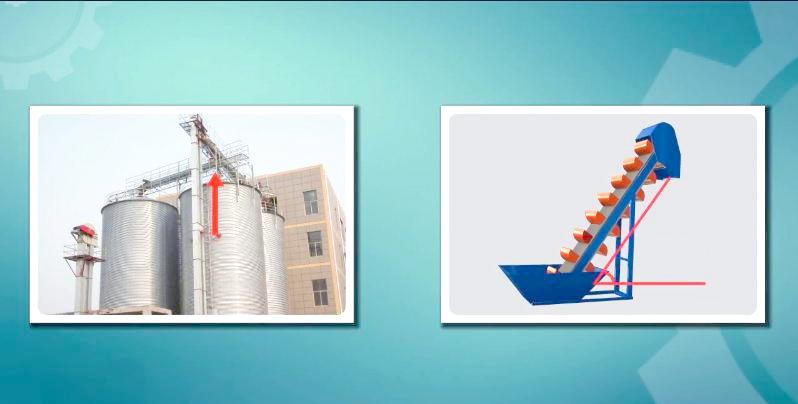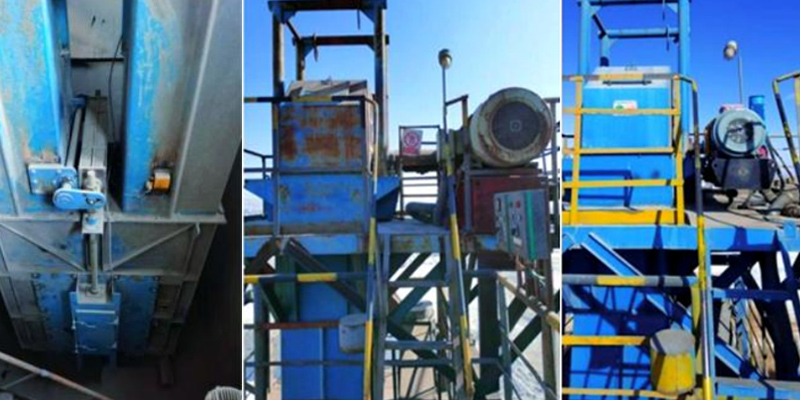
What to do when a belt conveyor has material pile-up? This requires on-site analysis tailored to the specific situation. Generally, there are three common scenarios:
1. Pile-up at the Head (near the drive drum)
(1) Belt slipping on the drum (insufficient tension, worn rubber lagging, water/oil contamination).
(2) Discharge chute blockage (jammed by large lumps, buildup of sticky material).
(3) Improper position of the chute skirtboard (material spillage).
Solutions:
(1) For slipping: Adjust the tensioning device to increase belt tension. Clean the drum surface and replace worn lagging. Check if the drive motor power matches requirements.
(2) For chute clearing: Clean blockages after stopping the conveyor. Install vibrators or air cannons. Add liners or heating devices for sticky materials.
(3) For skirtboard adjustment: Correct the angle and gap of the chute skirtboard to ensure centralized material discharge.
2. Pile-up at the Tail (loading point)
(1) Excessive feed rate exceeds the belt’s capacity.
(2) Material impact causes belt misalignment and uneven discharge.
Solutions:
(1) Control feed rate: Adjust upstream equipment (e.g., vibratory feeders, gates) to match the conveyor’s design capacity.
(2) Correct misalignment: Check the flexibility of training idlers and adjust the tail drum. Install belt misalignment switches.
(3) Replace idlers: Replace damaged impact idlers and add closely spaced idler sets to reduce impact.
3. Pile-up in the Middle Section
(1) Excessive belt sag (due to oversized idler spacing or insufficient tension).
(2) Foreign objects jamming the belt or idlers, causing stoppage.
(3) False triggering of the emergency pull-cord switch, leading to system shutdown.
(4) Missing or damaged impact idlers, causing material spillage.
Solutions:
(1) Adjust idler spacing: Increase idler density in areas prone to sag. Check whether belt tension meets standards.
(2) Clear foreign objects: Remove jammed objects after stopping the conveyor. Check the effectiveness of scrapers.
(3) Reset safety devices: Inspect whether pull-cord switches or misalignment switches were falsely triggered. Reset and restart the system.
When encountering the above problems on site, take quick emergency actions. First, stop the conveyor immediately to reduce losses or prevent the issue from escalating. Then clear the piled-up material to restore normal flow. Afterward, conduct a preliminary inspection of the conveyor equipment:
(1) Check belt tension, drum lagging, and idler rotation.
(2) Inspect chutes and skirtboards for deformation or blockage.
Finally, conduct a test run: Start the conveyor empty, observe its operation, and gradually increase the load to normal flow rate.

How can we prevent these problems from occurring?
1. Optimize Design:
(1) Design chute inclination and skirtboards according to material properties (moisture, stickiness, particle size).
(2) Install blockage sensors and speed detectors at key points for automatic alarms or shutdowns.
2. Strengthen Maintenance:
(1) Regularly clean drums, idlers, and chutes. Check the effectiveness of tensioning devices.
(2) Establish replacement schedules for wear-prone parts such as rubber lagging and liners.
3. Standardize Operations:
(1) Avoid overloading and strictly prevent foreign objects from mixing into conveyed material.
(2) Train operators to be familiar with emergency shutdown procedures and fault recognition.
4. Handle Special Cases:
(1) For sticky material buildup: Install polymer liners or electric heating devices inside chutes to reduce adhesion.
(2) For high-drop impact: Add impact beds or air-supported chutes at loading points to reduce material impact force.
By combining the strategies of “precise cause identification → quick and safe handling → systemic prevention and optimization,” the blockage rate of belt conveyors can be significantly reduced, improving system reliability and continuity. It is recommended to incorporate the above measures into daily inspections and regular maintenance plans to achieve proactive maintenance and prevent problems before they occur.
Note: The measures described here are general guidelines. In practice, adjust them flexibly based on specific equipment models, material properties, and on-site conditions. Always prioritize safety before performing any maintenance.