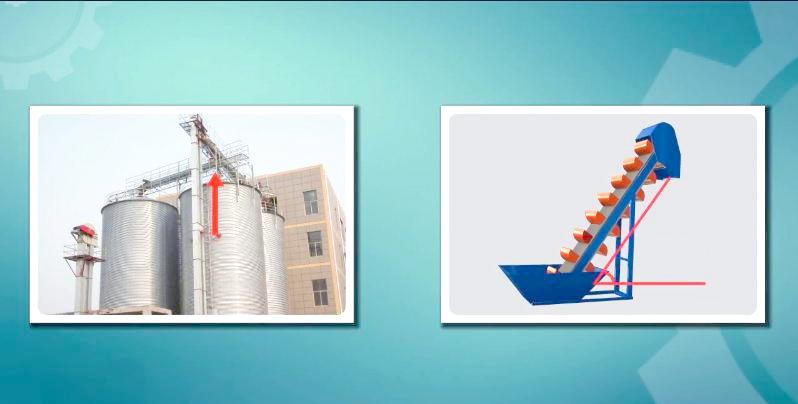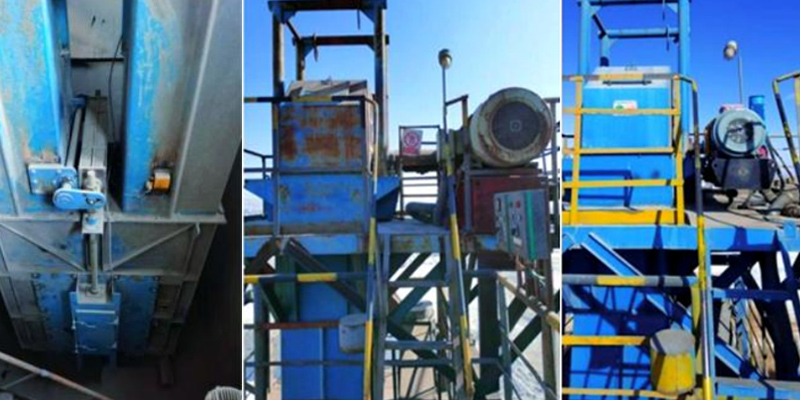
In the aggregate processing, mining, and construction industries, efficient bulk material transfer is the cornerstone of operational productivity. The aggregate loading chute, as a key equipment connecting storage silos, conveyors, and transport vehicles (trucks, ships, or trains), enables seamless and low-loss loading of materials such as sand, gravel, crushed stone, and ore. For quarry operators, concrete batching plant managers, and port supervisors, optimizing the performance of the aggregate loading chute is not only about improving operational efficiency, but also about reducing operating costs, complying with environmental regulations, and extending equipment service life.
This guide in-depth analyzes the core knowledge about aggregate loading chutes, including key design considerations, chute types suitable for different scenarios, project selection methods, core maintenance processes, and efficient dust control solutions. Whether you plan to upgrade an existing system or invest in a new gravel chute feeder, this article will help you make informed decisions to improve operational efficiency and profitability.
What is an Aggregate Loading Chute? Core Functions & Key Advantages
An aggregate loading chute is a specialized material handling equipment designed to transfer bulk aggregates (sand, gravel, limestone, crushed stone, and mineral ore) from upstream equipment (such as belt conveyors, hoppers, or storage silos) to downstream transportation or processing equipment. Unlike general-purpose chutes, aggregate loading chutes are specially designed to withstand high wear and impact caused by coarse-grained, high-density materials, making them indispensable core equipment in mining, quarrying, concrete batching plants, and port loading operations.
The core functions of a high-quality aggregate loading chute include:
- Controllable Material Flow: Regulates the speed and direction of aggregate discharge to prevent material spillage, overloading, and uneven distribution in transport vehicles or processing equipment. This is particularly critical for aggregate chutes in concrete batching plants, as precise material feeding directly affects concrete mixing quality.
- Impact Absorption & Buffering: Minimizes material breakage and equipment wear through integrated buffer structures or wear-resistant liners, reducing the impact force generated by falling aggregates.
- Strong Adaptability: Compatible with aggregates of different particle sizes (from fine sand to large stones) and can be integrated with various upstream and downstream systems, including aggregate loading conveyors for ship loading and mobile crushers in quarries.
- Compliance with Environmental Requirements: Reduces fugitive dust emissions and material loss, helping workplaces meet the standards of the Occupational Safety and Health Administration (OSHA) and local environmental regulations—which is one of the core priorities of modern aggregate processing enterprises.
Investing in a well-designed aggregate loading chute can bring significant practical benefits: reducing maintenance costs, minimizing downtime, improving loading efficiency (high-capacity models can reach more than 3,500 tons per hour), and enhancing operational safety. For example, port operators who use radial telescopic aggregate loading chutes have reduced ship turnover time by 30% compared with traditional grab crane loading methods.
Types of Aggregate Loading Chutes: Which is More Suitable for Your Operational Scenario?
Not all aggregate loading chutes are suitable for the same scenario. Choosing the right type needs to consider operational requirements, aggregate characteristics, loading capacity, and site constraints. The following are the most common types of aggregate loading chutes and their ideal application scenarios:
1. Fixed Aggregate Loading Chute
Fixed aggregate loading chutes are permanently installed in fixed operation sites, such as concrete batching plants, quarries with fixed crushing production lines, and large seaport terminals. This type of chute is designed for high-volume, continuous operations and is usually directly connected to storage silos or aggregate batching systems. Core features include a heavy-duty steel frame, customizable inclination angle (usually 60-75 degrees to ensure smooth feeding), and integrated wear-resistant liners.
Application scenarios: High-capacity concrete batching plants, fixed quarry crushing production lines, seaport terminals with dedicated loading berths. Fixed aggregate loading chutes are suitable for long-term operations with high cost-effectiveness but lack mobility.
2. Mobile Aggregate Loading Chute
Mobile aggregate loading chutes (or portable gravel chutes) are installed on wheeled or tracked chassis, allowing easy movement between different loading points. They are very suitable for temporary projects, multi-berth ports, and quarries with flexible operational layouts. Many mobile models are equipped with telescopic or adjustable discharge ports to adapt to different sizes of trucks or barges.
Application scenarios: Inland barge loading, temporary construction sites, quarries with variable crushing operation positions. Mobileaggregate loading chutes can reduce civil engineering costs and have extremely high operational flexibility.
3. Telescopic Aggregate Loading Chute
Telescopic aggregate loading chutes (also known as extendable chutes) adopt a nested telescopic design, which can adjust the discharge height and operation range. They can be accurately positioned above the cargo compartment of transport vehicles or ships, minimizing material spillage and dust emissions. They are often used in port ship loading operations and can cover multiple cargo holds without moving the ship.
Application scenarios: Aggregate ship loading, large truck fleets, workplaces that need to adapt to multiple vehicle models. Radial telescopic aggregate loading chutes add a rotation function, with a wider operation coverage.
4. Vibratory Aggregate Loading Chute
Vibratory aggregate loading chutes (or gravel chute feeders) integrate a vibration mechanism, which can effectively prevent material accumulation and blockage—especially suitable for wet or sticky aggregates (such as clay-containing gravel). The vibration function ensures continuous and smooth material flow, reducing downtime caused by blockage.
Application scenarios: Quarries handling wet aggregates, concrete batching plants, mining operations with clay-containing ore.
Key Design Considerations for Aggregate Loading Chutes
Unreasonably designed aggregate loading chutes are prone to frequent blockages, excessive wear, high dust emissions, and reduced productivity. To avoid these risks, when selecting or customizing a chute, it is necessary to focus on the following design factors:
1. Chute Inclination Angle & Cross-Sectional Area
The inclination angle of the aggregate loading chute is the key to ensuring smooth material flow. For most aggregates, the minimum inclination angle with the horizontal plane needs to reach 60 degrees (optimally 75 degrees) to prevent material accumulation. The cross-sectional area of the chute should be at least 4 times the cross-sectional area of the material flow, and the width/depth should not be less than 2.5 times the size of the largest aggregate particle to avoid material blockage.
For example, a chute handling 50mm (2-inch) gravel should have a width and depth of at least 125mm (5 inches) to ensure smooth material flow. Avoid sharp transitions between different sections of the chute to prevent the formation of dead zones where materials accumulate.
2. Wear-Resistant Liners
Aggregate wear is the main cause of chute failure. To extend the service life of the equipment, high-quality wear-resistant liners should be installed on the inner surface of the chute. Common liner materials include:
- High Manganese Steel: Excellent toughness and surface hardening properties, suitable for high-impact scenarios (such as rock chutes in quarries). However, its wear resistance is moderate under low-impact working conditions.
- Ceramic Liners: The service life is 10-20 times that of high manganese steel, making it very suitable for high-wear materials such as ore and crushed stone. Ceramic liners can be easily installed with glue or bolts, which can significantly reduce maintenance costs.
- Alloy Steel Plates: Balancing toughness and wear resistance, suitable for various types of aggregates. The alloy ratio can be adjusted to customize liners suitable for specific material characteristics.
For aggregate chutes in concrete batching plants, ceramic or alloy steel liners are preferred to minimize material contamination and ensure stable material flow.
3. Dust Control Integration
Fugitive dust emissions from aggregate loading chutes are major environmental and safety hazards. OSHA and regulatory authorities around the world have strict restrictions on dust concentration, so integrating dust control functions is crucial. Effective dust control solutions include:
- Sealed Discharge Port: Telescopic chutes are equipped with rubber or foam seals, which can closely fit the truck compartment or ship cargo hold to control dust diffusion from the source.
- Dust Suppression Hopper: A passive system (no electricity or compressed air required) that uses the material’s own momentum to reduce dust diffusion. For example, the DSH system dust suppression hopper can achieve nearly dust-free loading, complying with OSHA standards.
- Spray Dust Suppression System: Captures dust particles through fine water mist to prevent them from diffusing into the air. Suitable for outdoor scenarios such as port loading.
- Baghouse Dust Collector: An active system that can suck and filter dust in the chute, suitable for indoor workplaces such as concrete batching plants.
Investing in dust control equipment can not only ensure compliant operation but also reduce material loss (up to 5% of aggregates may be lost as dust) and improve operational safety.
4. Flow Control Mechanisms
To avoid overloading of transport vehicles or processing equipment, aggregate loading chutes should be equipped with adjustable flow control devices. Common types include:
- Sliding Gate: A manually or electrically controlled gate that controls the material discharge volume by adjusting the opening size.
- Vibratory Feeder: Controls the flow rate by adjusting the vibration intensity, suitable for sticky or unevenly granular aggregates.
- Hydraulic Buffer: Absorbs material impact and adjusts the feeding speed, suitable for high-yield loading scenarios such as port ship loading conveyors.
How to Choose the Right Aggregate Loading Chute? 5 Core Questions
Choosing the right aggregate loading chute requires comprehensive evaluation based on your own operational needs. The following 5 questions can help you quickly narrow down the selection scope:
1. What Types of Aggregates Do You Need to Handle?
The type, particle size, and moisture content of aggregates directly determine the chute design. For example, wet clay-containing gravel needs to be equipped with a vibratory chute to prevent blockage, while large ore requires a high-strength impact-resistant chute and special liners. Gravel chute feeders are optimized for coarse aggregates, while aggregate chutes in concrete batching plants need to handle both fine sand and crushed stone without causing material contamination.
2. What is Your Loading Capacity Requirement?
High-yield operations (such as port ship loading) need to be equipped with aggregate loading conveyors with telescopic chutes, with a capacity of more than 1,000-3,500 tons per hour. Small-scale operations (such as local quarries or concrete batching plants) can choose low-capacity fixed chutes with lower initial investment costs.
3. What is Your Loading Operation Scenario?
Different scenarios such as truck loading, ship loading, and batching plant feeding have different requirements for chute types:
– Truck loading: Mobile or telescopic chutes with height and operation range adjustment functions.
– Ship loading: Radial telescopic chutes that can cover multiple cargo holds without moving the ship.
– Concrete mixing: Fixed chutes with precise flow control and dust sealing functions to ensure mixing quality.
4. What Are Your Site Constraints?
Site space, mobility needs, and infrastructure (such as electricity and water sources) will affect chute selection. Mobile chutes are preferred for temporary work sites; compact vertical discharge fixed chutes are suitable for narrow indoor spaces; if dust control requirements are high and water sources are scarce, passive dust suppression hoppers are more suitable than spray dust suppression systems.
5. What Are Your Budget and Maintenance Goals?
Although ceramic liners have a higher initial investment, they can reduce maintenance downtime and extend chute service life, resulting in lower long-term comprehensive costs. Mobile chutes are more expensive than fixed chutes but are suitable for multi-site operations with stronger flexibility. When selecting, priority should be given to the total cost of ownership (TCO) rather than just the initial purchase price.
Core Maintenance Points for Aggregate Loading Chutes
Even high-quality aggregate loading chutes will experience performance degradation without regular maintenance. Following these maintenance points can extend equipment service life, reduce downtime, and ensure operational safety:
- Regular Inspection of Wear-Resistant Liners: Inspect liners monthly for cracks, wear, and detachment. Replace worn liners before they fail—exposed steel chute walls will wear 10 times faster. For high-wear scenarios such as ore loading, liners need to be inspected weekly.
- Regular Chute Cleaning: Remove material accumulation on the chute walls and transition parts to prevent blockage. High-pressure water (for wet materials) or compressed air (for dry materials) can be used to clean hard-to-reach areas. For vibratory chutes, ensure that the vibration mechanism is free of debris accumulation.
- Inspection of Flow Control Devices: Test the operation status of gates, vibrators, and buffers monthly to ensure smooth operation. Lubricate moving parts (such as gate hinges) and tighten loose bolts.
- Monitoring of Dust Control Systems: Check for damaged seals, clean dust filters, and inspect spray nozzles for blockages. Replace worn seals in a timely manner to ensure dust sealing effect.
- Operator Training: Ensure operators master flow adjustment methods, can identify early signs of equipment wear, and safely shut down the system in case of blockage. Standardized operation can reduce unnecessary equipment loss.
Common Problems and Solutions for Aggregate Loading Chutes
Even with reasonable design and regular maintenance, aggregate loading chutes may still have various problems. The following are the most common problems and corresponding solutions:
1.Material Blockage
Causes: Insufficient chute inclination angle, unreasonable transition section design, wet and sticky materials, or oversized particles.
Solutions: Adjust the chute inclination angle to 60-75 degrees, install a vibration mechanism, select wear-resistant liners with low friction coefficients such as ceramics, and add a grizzly screen to remove oversized particles.
2. Excessive Dust Emissions
Causes: Poor sealing performance, excessive material drop height, or dry materials.
Solutions: Install a dust suppression hopper, equip a telescopic sealed discharge port, reduce the material drop height through a buffer plate, or adopt a spray dust suppression system.
3. Premature Equipment Wear
Causes: Poor quality liners, high material impact intensity, or strong aggregate wear.
Solutions: Upgrade to ceramic or alloy steel liners, add an impact plate at the feed port, and adjust the flow rate to reduce material flow velocity.
4. Material Spillage & Overloading
Causes: Poor flow control, deviation in discharge port positioning, or oversized aggregates.
Solutions: Install adjustable sliding gates or vibratory feeders, calibrate the alignment accuracy between the discharge port and transport vehicles, and add pre-screening equipment to remove oversized particles.

Conclusion: Optimize Aggregate Loading Chutes for Long-Term Efficient Operation
An aggregate loading chute is by no means a simple metal channel—it is a key investment that affects production efficiency, operating costs, and compliance. By focusing on core design elements (inclination angle, liners, dust control), selecting the right chute type for the operational scenario, and following standardized maintenance processes, you can maximize the performance of the aggregate loading chute and avoid costly downtime losses.
Whether you are in the mining, quarrying, concrete production, or port operation industry, the core principle is to prioritize the total cost of ownership over the initial purchase price. High-quality gravel chute feeders with durable liners and efficient dust control functions, although with higher initial investment, can achieve significant cost savings in long-term operations by reducing maintenance costs, lowering material loss, and extending equipment service life.
If you are unsure which aggregate loading chute is suitable for your project, it is recommended to consult a professional bulk material handling equipment manufacturer. They can customize exclusive solutions according to your aggregate characteristics, loading capacity, and site constraints to ensure maximum return on your investment.