


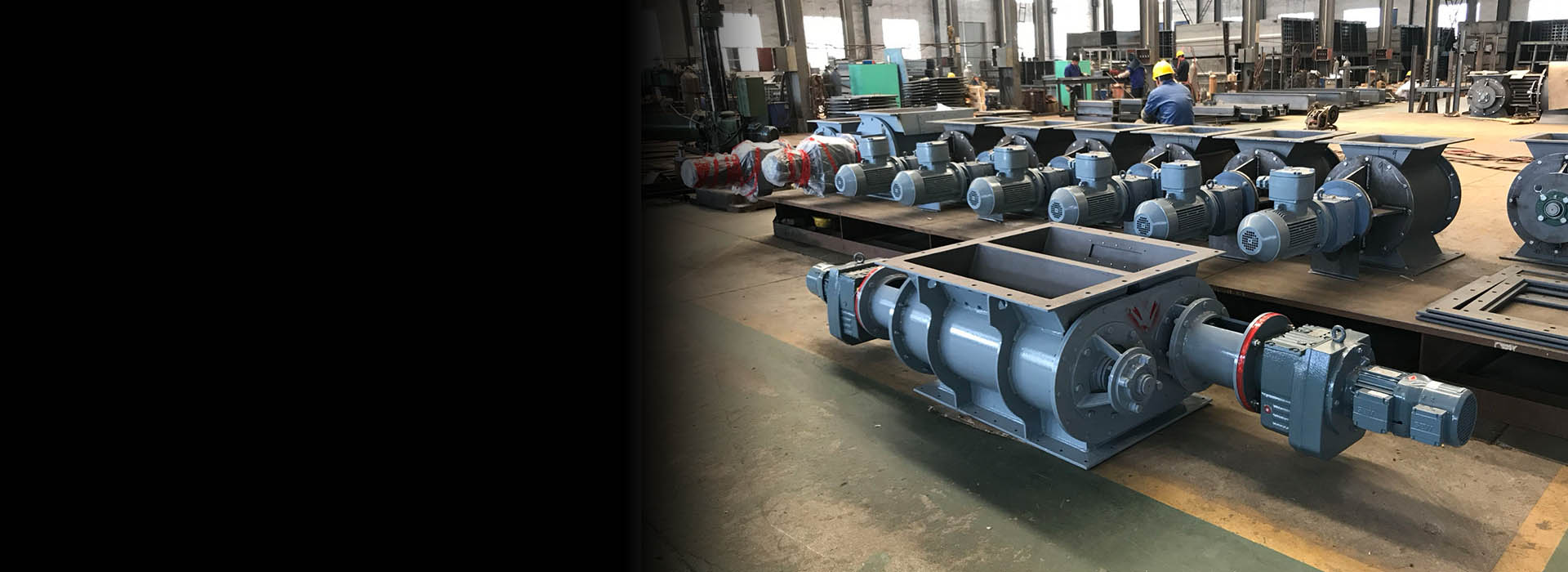
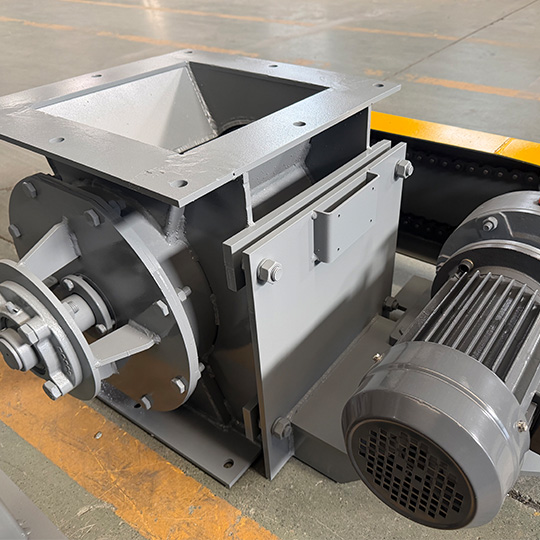
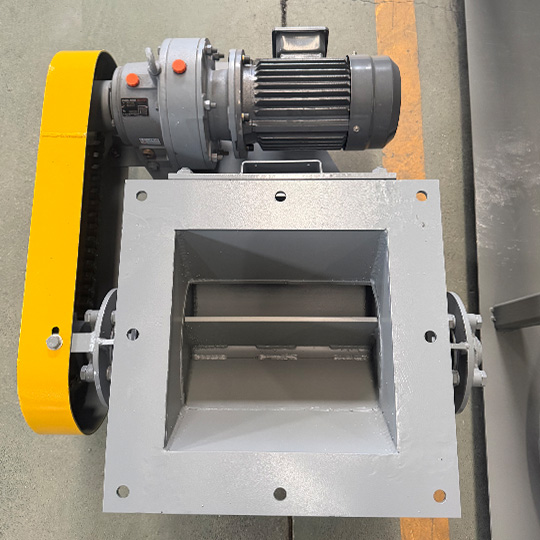
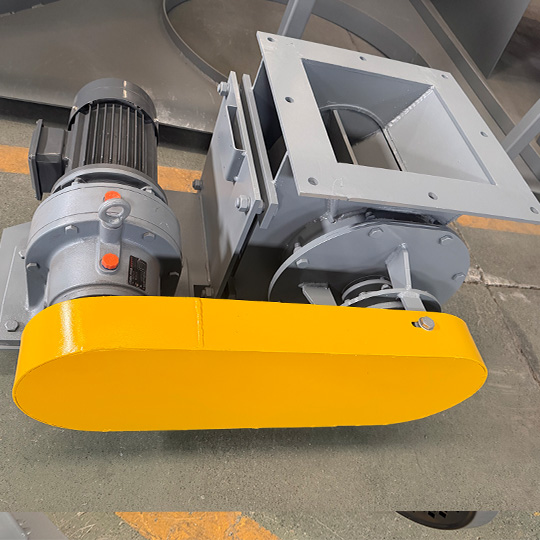
Rotary valve for sale
Darko’s rotary valves are highly regarded as top-quality products in the plastics, chemical, food and minerals industries around the world.
We supply certified solutions for requirements regarding sanitary and flameproof design and ATEX conformity. Our rotary valves also set standards at high pressures and with regard to wear protection.
- Minimise pressure or air loss
- Provide metering and volume control
- Regulate feed rate
- Act as a flame or explosion barrier
Your Trusted Manufacturer of Rotary Valves
Darko stands out as a leading manufacturer of rotary valves and a reliable rotary feeder supplier, providing high-quality solutions tailored to meet diverse material processing needs. Our rotary airlock valves are produced using advanced CNC machining techniques, ensuring precision and durability. Complying with stringent NFPA standards, our products are designed for safety and reliability in various industrial applications.
At Darko, we understand that each application has unique requirements. That’s why we offer custom rotary valve configurations, including options for abrasion resistance, heat resistance, and explosion-proof designs. Whether you are handling granular materials, powders, or liquid phases, our rotary valve design service ensures that the rotary valves you choose are the perfect fit to enhance your operation’s efficiency and reliability.
With decades of experience and expertise in the industry, Darko is committed to delivering innovative and high-performance solutions to our customers. Trust us for your rotary valve needs, and experience the Darko difference in material handling.
What is a rotary valve?
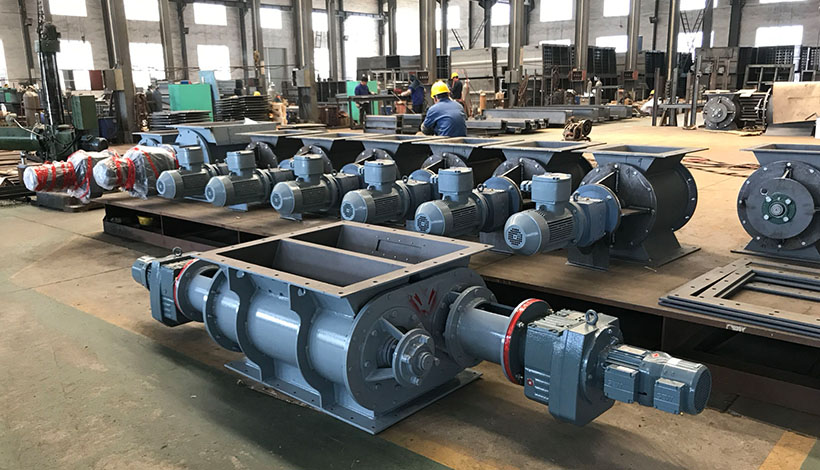
Rotary valves are often referred to by various names (Airlocks, Feeders, Star Valves, etc.). Depending on the application, its function often dictates what it is called.
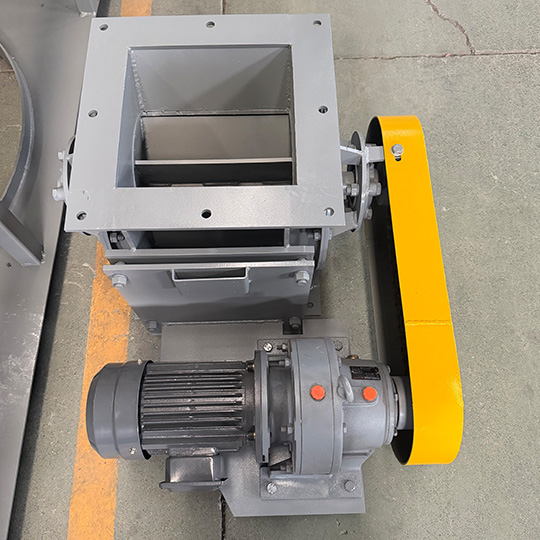
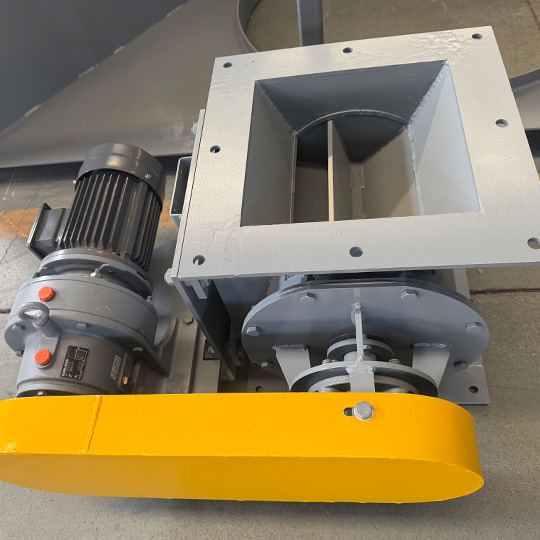
Rotary valves are made up of 4 main parts; housing, end-plates, rotor, and drive package. Darko’s rotary valves are made from cast gray iron, stainless steel and or Hard Chrome.
A rotary valve is simply a mechanical device used for the continuous discharge of bulk solid materials. The term ‘rotary’ is derived from the valve’s operating principle. During bulk material handling, the valve’s vanes rotate to produce a successful operation, hence, the term ‘rotary’.
The valve is an essential component in the bulk handling industry. Its main functions are to (i) regulate bulk material flow in the system and (ii) prevent air leakages, hence, maintaining constant air pressure in the system.
The rotary valve has two ports, the inlet port which serves as the bulk material entry point and the outlet port which serves as the bulk material exit point. During operation, the bulk material goes in via the valve’s inlet and is transported across the valve’s housing surface to the outlet by means of the rotor pockets as the rotor shaft rotates.
There are two types of rotations namely, the load side rotation and the return side rotation. The former is considered to be the rotation of the vanes and the pockets from the entry point to the exit point, while the latter is the rotation of the vanes and the pockets from the outlet to the inlet.
Regardless of the valve’s simple construction, it is adjustable to meet most industrial applications. An incorrectly used valve can lead to inadequate efficiency, equipment wear, accelerated product degradation, production loss because of process shutdowns etc.
Rotary Valve Types
Darko rotary valves are known for their decades of experience, expertise, and proprietary development, manufactured with top-quality materials to ensure reliability and exceptional performance. Our rotary valve types are designed to meet various industrial requirements. Below are the main product classifications:
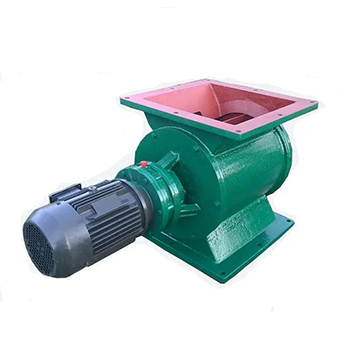
A-type rotary valves are designed to be used in conjunction with screw conveyors and chain conveyors, providing sealed discharge solutions to ensure the integrity and efficiency of material handling.
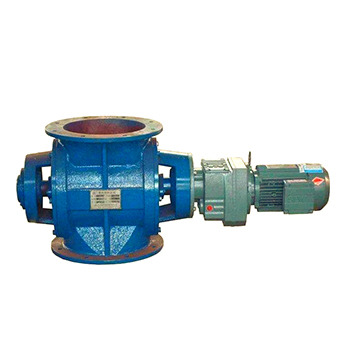
B-type rotary valves are compatible with square pipelines or hopper interfaces, allowing for quick and direct installation. Their design ensures efficient material flow.
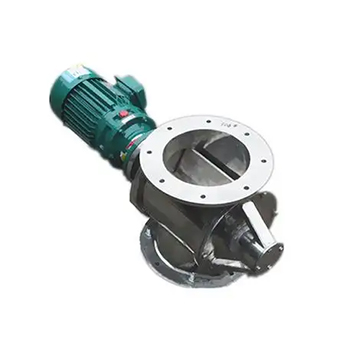
Stainless steel rotary valves are made from high-grade stainless steel, offering excellent corrosion-resistant and heat-resistant properties, suitable for high hygienic standards applications like food processing.
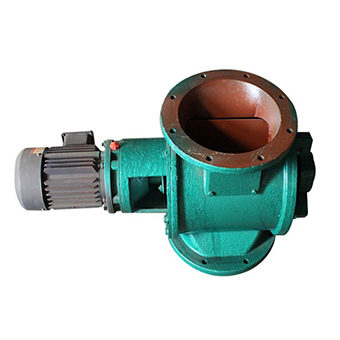
Cast iron rotary valves feature a high-hardness casing, suitable for handling abrasive materials and sticky substances, capable of withstanding harsh working environments.
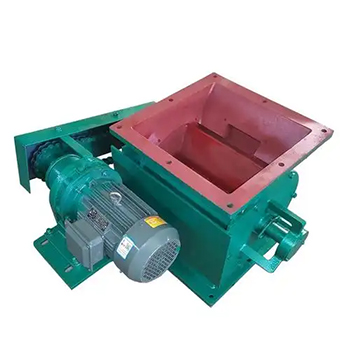
Chain-type rotary valves, with enhanced impact resistance, are especially suited for high-load or environments containing foreign objects, ensuring stable system operation.
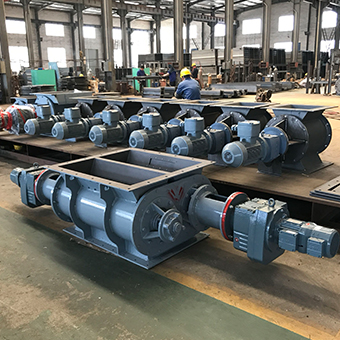
Double-axis rotary valves are designed for high pressure differences (0.6 MPa) and handling flammable and explosive dust, ensuring operational safety and efficient discharge.
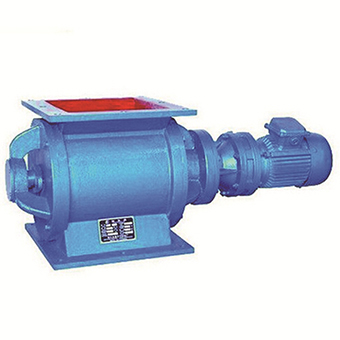
Explosion-proof rotary valves are designed to meet high safety standards, such as ExdⅡCT4, specifically for handling explosive gases and dust.
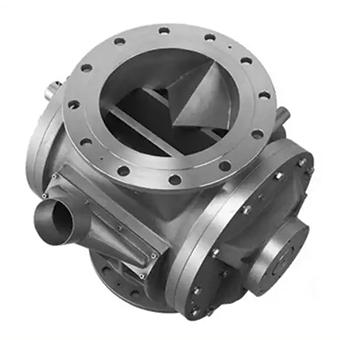
Wear-resistant rotary valves are ideal for discharging highly abrasive powders from vertical mills and cyclone dust collectors, ensuring efficient handling of tough materials.
Special Designs and Sizes up to 2000 mm
Designing and manufacturing rotary valves beyond commonly used sizes and shapes poses significant challenges for many manufacturers. However, at Darko, we excel in providing solutions for applications that require large throughput or the handling of oversized particles, particularly in the chemical and aggregates industries.
-
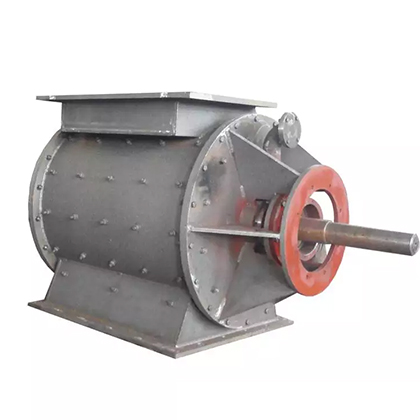 EMV1200 Rotary feeder
The EMV1200 rotary feeder is designed to meet the material handling needs for medium to high throughput, particularly suited for applications in the chemical, mining, and construction industries. Its compact structure makes it ideal for installation in limited spaces. The feeder is made from high-strength materials, ensuring durability and reliability during long-term use.
-
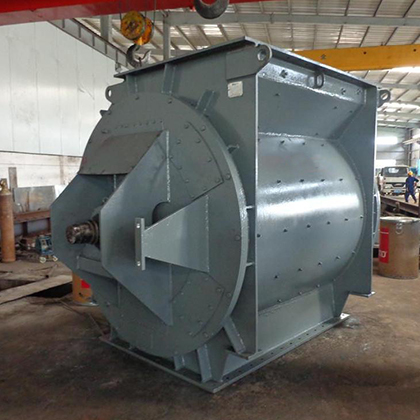 EMV1600 Rotary feeder
Our EMV1600 rotary feeder is engineered to address the complexities of high-temperature materials. It features bearings and gear reducers that utilize external or chain connections, effectively isolating them from heat exposure. This design prevents dust intrusion and lubrication failure, ensuring smooth and reliable operation.
-
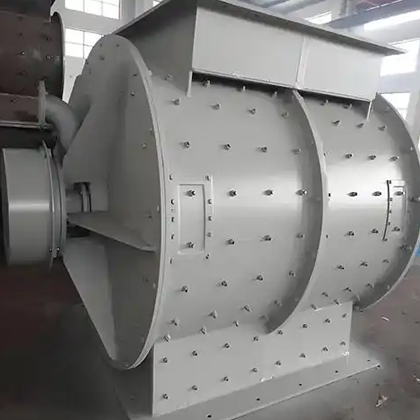 EMV1800 Rotary feeder
In response to the high negative pressure environment of vertical mills, the EMV1800 rotary feeder incorporates a special sealing structure. This innovative design ensures that airflow remains contained, preventing leaks during material transport and maintaining system efficiency.
-
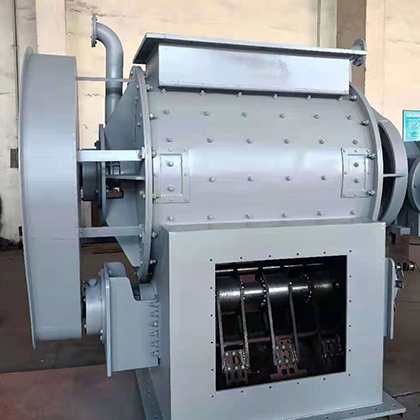 EMV2000 Rotary feeder
The EMV2000 rotary feeder is equipped with a wear-resistant lining, such as high-chromium alloy, to enhance its durability. The casing features an inclined feed inlet and curved blades, specifically designed to prevent large particles from becoming lodged inside, thereby ensuring uninterrupted material flow.
Enhance your business with Darko today!
By choosing Darko’s rotary valve you will get:

of your first order of Darko’s rotary valve, Darko ‘ll give you a 20% discount

of your first order of rotary valve, Darko ‘ll send you free seals

If you have a need for customized rotary valve, we also provide you with free design

If you buy Darko’s machinery, you will be provided with free technical support for life
Rotary Valve Rotor
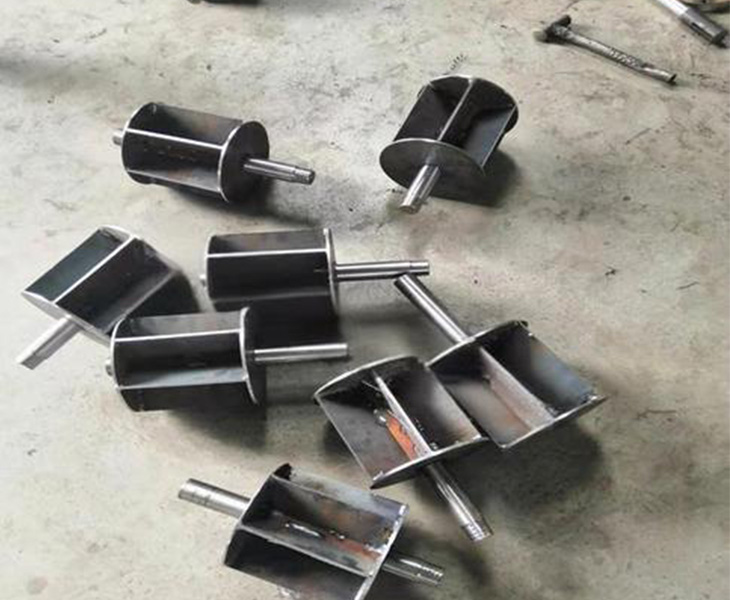
One of the keys to any rotary airlock valve application is selecting the proper rotor for the intended service. This will make a significant difference in the overall life and performance of the rotary valve. Improper selection could result in accelerated wear, premature failure, additional downtime, reduced efficiency, increased maintenance, product degradation and possible loss of production.
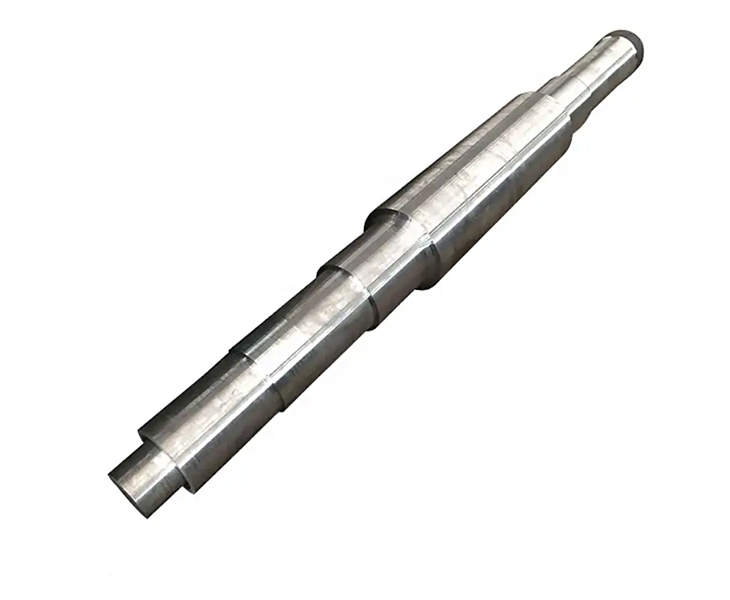
Rotary Valve Bearing
The outboard bearings allow smooth rotation of the rotor with minimal deflection. The bearings are outboard to the end plate. They are kept clean and free from foreign matter by factory deign. They are not exposed to product or heat with this design and are factory lubricated for the life of bearing.
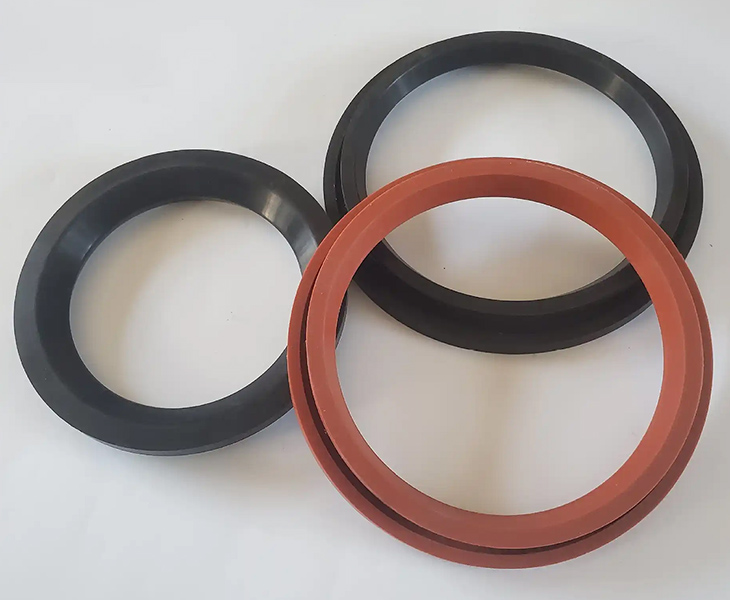
Rotary Valve Seals
Rotatry valve seals are used to create an air tight seal around the shaft of the rotor. This prevents material from escaping around the shaft while it rotates. Fluoroelastomer (FKM) valve seals are highly resistant to high temperatures (up to 250°C) and exhibit strong corrosion resistance. They are suitable for high-temperature conditions in industries such as cement and metallurgy (e.g., kiln discharge systems) and can withstand acidic and alkaline media.
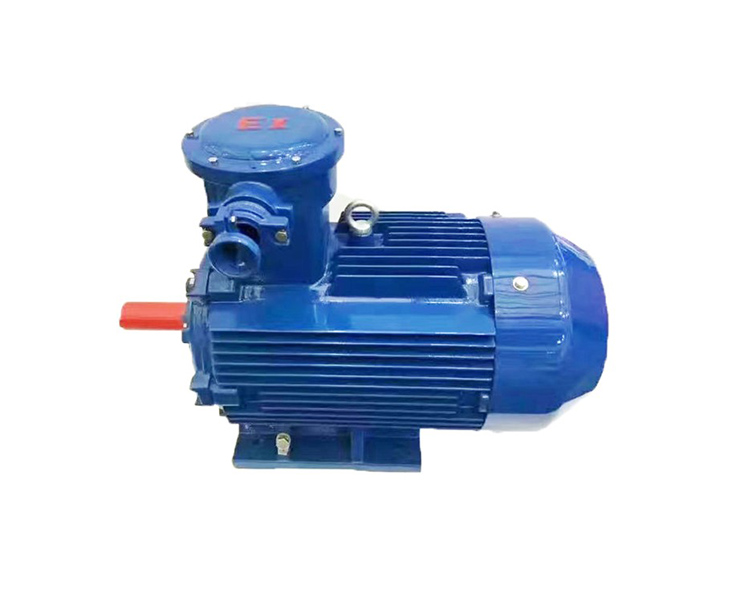
Rotary Valve Engine
The rotary valve engine mainly consists of a motor, a reduction mechanism, and a transmission system. The motor (typically a three-phase asynchronous motor or explosion-proof motor) reduces the speed and increases the torque through a gearbox (such as a planetary gearbox or cycloidal pinwheel gearbox). It then drives the impeller’s rotation via direct coupling, chain drive, or gear drive.
Best rotary airlock valves for bulk materials


- Uniform Feeding
The rotation of the impeller ensures a continuous and metered discharge of bulk materials, preventing pressure fluctuations in the system caused by pulsed feeding. This feature is particularly suitable for pneumatic conveying systems that require a stable gas-solid ratio. - Adjustable Flow Rate
Some models are equipped with variable-speed motors or frequency converters, allowing for precise adjustment of the rotational speed to accommodate different bulk material flow rates (such as cement, grains, etc.). The control precision can reach ±2%.
Industry Applications of Rotary Valves
Rotary valves play a crucial role in various industries, catering to diverse material handling and conveying needs. Below are some key industries and application scenarios:
1. General Applications
In the field of bulk solids handling valves, rotary valves are essential components for achieving efficient material transfer. They precisely control the flow of materials, ensuring a smooth production process.
2. Pneumatic Conveying
In pneumatic conveying systems, our pneumatic conveying rotary valves and pneumatic transfer system valves effectively transport granular materials, minimizing leaks and ensuring system efficiency. These rotary valves are specially designed to withstand high loads and negative pressure environments, making them suitable for various applications.
3. Dust Collection and Environmental Protection
In the dust collection and environmental protection sector, we provide dedicated dust collection rotary valves and baghouse rotary feeders. These products ensure effective separation of gas and dust during processing, enhancing workplace cleanliness and safety.
4. Specific Industries
Our rotary valves are widely used in multiple specific industries:
- Cement Industry (Cement Rotary Valve): Suitable for material flow in cement production.
- Chemical Industry (Chemical Processing Feeder): Meets the precise measurement and transportation needs of chemical materials.
- Metallurgy Industry (Mining Rotary Airlock): Handles heavy materials such as metal ores.
- Grain Industry: Ensures efficiency and safety in grain processing.
- Drying Equipment Rotary Valves: Adapted to various drying conditions, ensuring stable material flow throughout the drying process.
5. Function-Oriented Solutions
We also offer rotary dosing valves and rotary cut-off valves to assist users in precisely managing material flow, which is critical in many industries.
No matter which industry you are in, Darko’s rotary valve products can provide efficient and reliable solutions for your material handling needs. By focusing on the specific needs of users, we ensure that we can meet and exceed your expectations.
Rotary Valve's Technicals
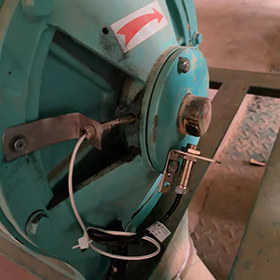
Thermocouples (K/S/B types) or PT100 resistance thermometers are installed at critical points of the rotary valve. The signals from these sensors are sent to the PLC using LoRa or ZigBee, which allows us to monitor the temperature of the rotating components in real time. This setup also supports 4-20mA output and Modbus-RTU communication, so it works well with DCS systems.
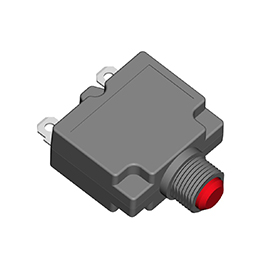
Rotary valves come with friction or ball torque limiters that automatically slip or disconnect the drive if the load goes over a certain limit. This helps keep the motor and gearbox safe from damage.
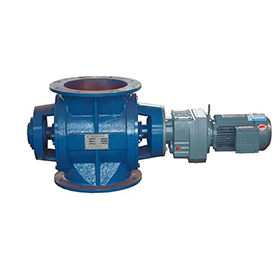
Darko’s rotary valve uses a variable frequency motor to adjust the speed. It automatically matches the optimal conveying speed based on the material density, helping to prevent overload and blockages.
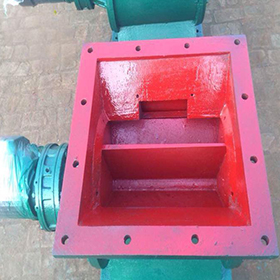
The rotary valve inlet is set off to the side instead of being directly centered. This helps larger particles get in more easily and reduces the chance of blockages.
Related Product
-
-
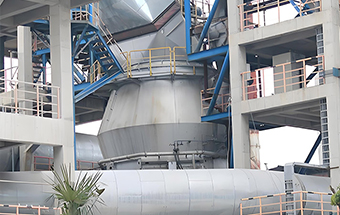
Using material bed grinding increases the fine powder proportion in extruded materials.
-
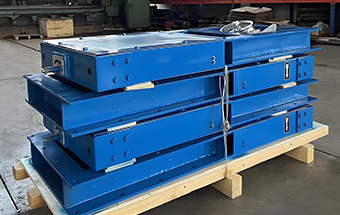
The groove-free design prevents blockages and is ideal for materials like ash and cement.
Why is Dakota’s rotary valves worthy of customer trust?
1. Reliability Assurance and Long-Term Operation
Harsh Environment Validation: Darko’s rotary valves are tested under high temperatures and heavy dust, the external bearing design prevents material contamination, ensuring smooth operation in extreme conditions.
Anti-Jamming Technology: The off-center design of the feed inlet allows for large particles to enter easily, reducing the risk of blockages and enhancing continuous operation.
Modular Maintenance: The design features inspection doors and replaceable liners, simplifying maintenance processes and minimizing downtime.
2. Comprehensive Service and Industry Reputation
Rapid Response Mechanism: We provide 24-hour technical support. Some manufacturers even offer free replacement of defective parts during the warranty period.
Proven Track Record: Our equipment has been successfully used in critical processes like vertical mills and rotary kilns in both domestic and international cement plants.
Training and Spare Parts Support: We offer free operational training and discounted spare parts supply to ensure a positive long-term user experience.
In industry, a rotary valve is used to regulate the flow of a product, usually to reduce the flow rate to a level more suitable to the process being undertaken. Often, applications do so between areas where gas pressures are different on the different sides of the valve.
Jamming is one of the most challenging problems with rotary valves. It occurs when the material gets caught between the rotor blades and the housing or head plates. Causes of Jamming: Large fibrous materials or hard materials like some plastic pellets.
Our rotary valves are very cost-effective among similar carts, not only are they better than most of the products in the market in terms of material and design, but we also provide customization options to help you better build your brand image.
Installing the rotary valve is usually straightforward under normal conditions. However, in special environments (like high temperatures or explosive settings), additional configurations are necessary. It’s recommended to choose the appropriate model based on the material characteristics and system requirements, and to strictly follow installation guidelines.
When selecting the right rotary valve, consider the following factors:
- The type of material being processed (such as granules, powders, or liquids)
- The required flow rate and pressure specifications
- The durability and adaptability of the material (such as stainless steel or cast iron)
Ensure that you choose a rotary valve that meets your specific needs.
The maintenance cost of rotary valves generally depends on their type and operating environment. Regular maintenance can ensure efficient operation of the equipment and reduce long-term replacement and repair costs. Choosing high-quality rotary valves, such as wear-resistant or stainless steel valves, can lower the failure rate, thereby reducing maintenance costs.