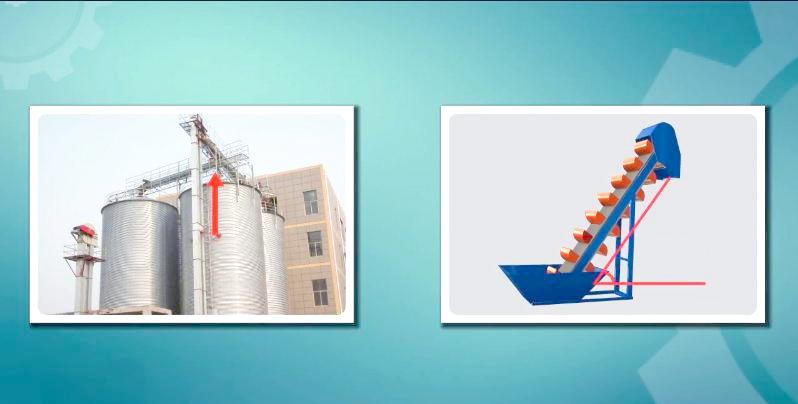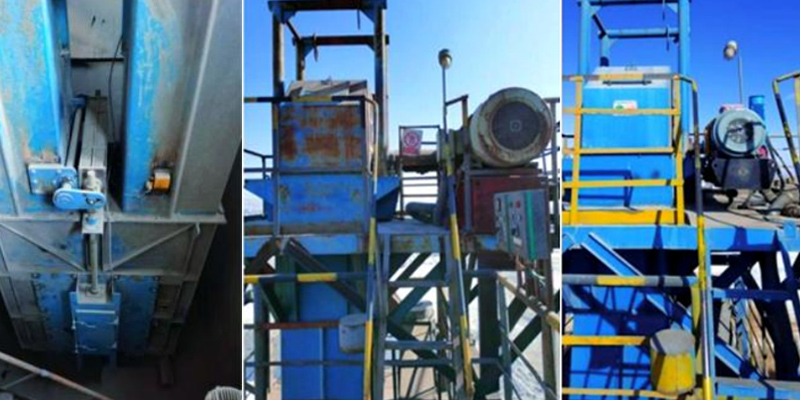
What is a Belt Conveyor?
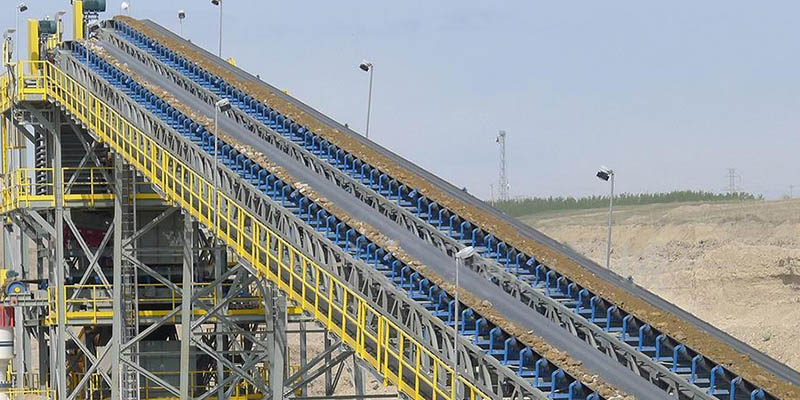
A belt conveyor is a continuous material handling system. It uses an endless loop belt to both carry and pull materials. The system operates through friction drive. It is specifically designed to transport bulk materials over long distances at high capacities. Examples of these materials are ores, coal, and cement clinker. It is different from light-duty logistic conveyors. Key features include high load capacity, stable operation, and low energy consumption. This makes it essential equipment in heavy industries like mining, power generation, and building materials.
What are the Three Main Types of Conveyor Belts?
The conveyor belt is the core component. Its type directly decides the system’s application range, load capacity, and service life. For heavy-duty applications, the three most common types are:
-
Heavy-Duty Rubber Conveyor Belt
This is the most widely used belt type in heavy-duty systems. It offers excellent wear resistance, impact resistance, elasticity, and high tensile strength. We can categorize it for different environments:-
Standard Heavy-Duty Rubber Belt: It handles general bulk materials like coal, ore, and sand in mining.
-
Heat-Resistant Rubber Belt: It withstands temperatures of 150°C to 200°C. We design it for hot materials like sintered ore and cement clinker.
-
Oil & Chemical-Resistant Belt: It suits the transportation of various corrosive materials.
-
-
Steel Cord Conveyor Belt (Heat-Resistant)
We design this belt for super-heavy and high-temperature applications. It is the core choice for large cement plants, open-pit mines, and major heavy industrial sites. It has a core of high-strength steel cords. These cords are covered with heat-resistant rubber. This gives the belt extremely high tensile strength, wear resistance, and heat resistance (up to 250°C). It carries ultra-heavy loads. Therefore, it is perfect for long-distance, high-volume transport of heavy materials like hot cement clinker and large-sized ores. -
Rip-Resistant Conveyor Belt
We design this belt to prevent tearing caused by sharp materials like rocks and ores. It uses a multi-layer composite structure. This provides superior rip resistance and impact resistance. It effectively prevents belt breaks from material impact or sharp edges. This ensures continuous system operation. We use rip-resistant belts widely in mining, cement raw material handling, and other heavy bulk transport stages. It is a key component for heavy-duty belt conveyors.
How Do Conveyor Belts Work?
A belt conveyor uses the belt as both the carrying and pulling component. Here is its core working principle:
An electric motor drives the head pulley. Friction between the pulley and the belt makes the belt move in a continuous loop. Workers add material onto the belt at the tail or middle section. The belt then carries and transports the material to the head section or a designated discharge point.
Basic Structure Includes:
-
Drive Unit (Motor, Reducer, Drive Pulley): Provides power.
-
Conveyor Belt: Made of rubber or composite, it carries the material.
-
Idlers (Rollers): Support the belt and reduce friction.
-
Take-up (Tensioning) Device: Maintains proper belt tension for power transmission.
-
Frame & Pulleys: Form the conveyor’s skeleton and guide direction changes.
Where are Belt Conveyors Applied?
Belt conveyors offer continuous, efficient, and smooth transport. They are vital infrastructure in modern production and logistics. Applications are widespread:
-
Mining: Transports ore, coal, and waste rock over long distances from open-pit or underground mines.
-
Thermal Power Plants: Moves coal from storage yards to boiler bunkers and carries away generated ash and slag.
-
Ports & Terminals: Loads and unloads bulk cargo (grain, ore, fertilizer) from ships for fast transfer to/from land storage or vehicles.
-
Cement & Building Materials: Transports raw materials, clinker, and finished products in production lines for cement, sand, and aggregate.
-
Steel & Metallurgy: Feeds raw materials like iron ore, coke, sinter, and pellets into blast furnaces or converters.
What are Common Problems with Belt Conveyors?
Heavy-duty belt conveyors use robust, wear-resistant designs. They suit harsh industrial environments. However, problems can still occur during long-term, high-intensity operation. Causes include improper operation, insufficient maintenance, or tough conditions like dust, heat, and material impact.
-
Belt Mistracking (Running Off Center)
This is the most frequent problem. Main causes are:
-
Uneven frame installation (due to terrain).
-
Misaligned heavy-duty idlers.
-
Improper belt splicing (from heavy loads).
-
Uneven material loading (e.g., large lumps).
Solutions: Adjust the frame and idlers to ensure they are level and parallel. Repair or replace faulty belt splices using proper methods. Ensure even material loading. Install heavy-duty correction devices like training idlers or auto-align switches if needed.
-
-
Belt Slippage
This is mainly caused by:-
Insufficient belt tension (when moving very heavy loads).
-
Overloading (exceeding design capacity).
-
A wet or dirty drive pulley surface (common in industry).
Solutions: Adjust the hydraulic take-up unit to increase tension. Strictly control the load to avoid overloading. Regularly clean the drive pulley surface. Remove dust, debris, and moisture. Install lagging on the pulley to increase friction if necessary.
-
-
Belt Wear & Tearing
In heavy industry, belts constantly rub against abrasive materials, idlers, and pulleys. Impact from hot materials also contributes. This leads to severe wear and tears. It shortens belt life and can cause breaks.
Solutions: Choose the right belt for the material. Options include wear-resistant, rip-resistant, or heat-resistant belts (like steel cord or special rubber belts). Regularly inspect and replace worn idlers and pulleys. Install impact beds at loading points to cushion large lumps. Avoid conveying extremely sharp materials. Use protective devices if necessary. -
Abnormal Noise & Component Damage
Unusual noise during operation often comes from:-
Loose components (from vibration).
-
Worn heavy-duty bearings.
-
Improper installation of the high-power drive unit.
Solutions: Regularly check and tighten all fasteners, especially on the frame and idler stands. Replace worn bearings and apply high-temperature lubricant. Re-align the drive unit to ensure smooth operation.
-
Heavy-Duty Belt Conveyor System Maintenance Tips
Proper maintenance extends system life, lowers costs, and ensures stable long-term operation.
-
Regular Inspection
Check the conveyor daily before startup. Key points are:-
Belt tension.
-
Operation status of the high-power drive.
-
Wear on heavy-duty idlers and pulleys.
-
Tightness of all fasteners.
-
Blockages at feed and discharge points (common in dusty, bulk-handling industries).
Find and fix problems early. This prevents small faults from becoming major failures like belt breaks.
-
-
Lubrication Maintenance
Lubricate rotating parts regularly. This includes bearings and gear reducers, especially in hot areas. Use high-temperature lubricant. It reduces friction, prevents wear, and extends part life. Always follow the manufacturer’s guidelines and choose lubricant suited to your industrial environment. -
Cleaning & Protection
Clean the belt, heavy-duty idlers, and frame regularly. Remove dust, debris, and material buildup. This prevents corrosion, blockages, and operational issues. For conveyors in extreme environments (high heat, dust, or handling hot materials), install protective devices like dust seals or heat shields to prevent damage. -
Timely Replacement of Worn Parts
Replace worn parts promptly. This includes heavy-duty belts, idlers, and pulleys. Delaying can affect the entire system and cause greater losses. When replacing parts, always use genuine heavy-duty spare parts from professional manufacturers. This guarantees compatibility, load capacity, and quality. It is crucial for stable operation in heavy industry.
Conclusion
Heavy-duty belt conveyors are the core of bulk material handling in heavy industries. A well-designed system greatly boosts production efficiency and cuts labor costs. We are committed to providing high-quality, durable, and customized heavy-duty belt conveyor systems to global industrial clients. We also offer comprehensive after-sales service. If you have any needs or questions about heavy-duty belt conveyors for your industry, please contact us. Our professional team will provide the most suitable solution for you.