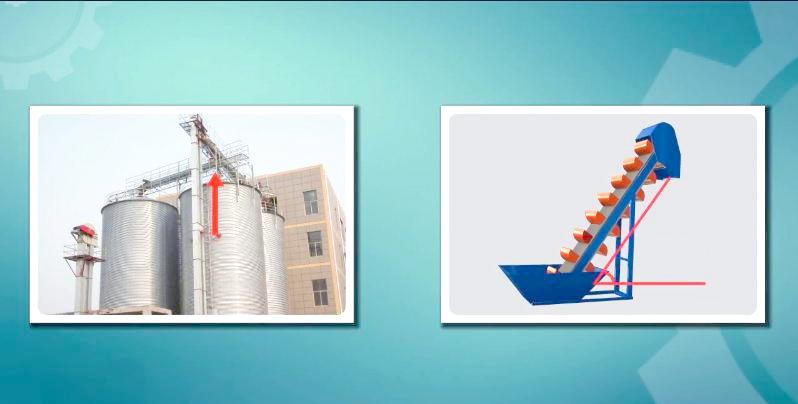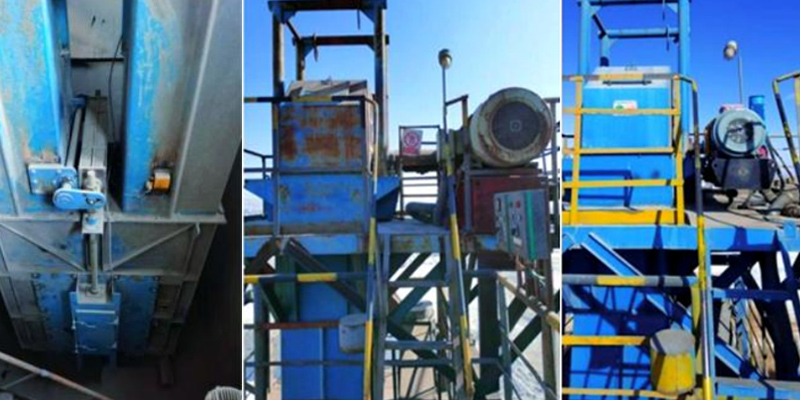
Is your chain bucket elevator experiencing severe wear on only one side of the chain, with the head sprocket also worn on the same side? When maintenance managers observe this “one-sided wear,” their first reaction is often to replace the chain. However, avoid immediately ordering new chains and sprockets—blind replacement typically only addresses the symptom, not the root cause, and the problem will quickly recur.
Why Does “One-Sided Wear” Occur?
When abnormal wear appears on one side of the chain and head sprocket, the root cause is usually not the chain itself. In most cases, the issue lies in the alignment and verticality of the equipment’s foundation. If the elevator casing is not installed vertically, the chain will continuously experience a lateral force during operation. This eccentric force is entirely borne by the chain links and head sprocket teeth on that side, inevitably leading to excessive wear on one side—a phenomenon often called “limping” wear.
More critically, if the casing is tilted, then no matter how you adjust it, the mounting surface of the head sprocket itself remains slanted. In such cases, the head and tail sprockets can never align perfectly on a vertical line. Even after installing entirely new chains and sprockets, the wear pattern will simply repeat.
A Three-Step Fundamental Solution: From Correction to Replacement
Before considering replacing any components, follow this systematic correction process—the essential path to a lasting solution.
Step 1: Correct the Verticality of the Casing (Most Critical)
This is the foundation for all subsequent work. Use tools like a plumb line or laser rangefinder to carefully measure the verticality of the elevator casing from top to bottom.
-
Measurement Directions: Ensure measurements are taken in both the left-right and front-back directions.
-
Tolerance Range: Adjust verticality errors to within allowable limits based on equipment specifications and industry standards (typically within 1–2 mm per meter of height). This is the only fundamental method to resolve “limping” wear.
Step 2: Realign the Head and Tail Sprockets
Once the casing verticality meets standards, use the corrected casing as the reference to realign the installation positions of the drive head sprocket and the driven tail sprocket.
-
Alignment Requirement: Ensure the centers of the head and tail sprockets lie in the same vertical plane.
-
Shaft Levelness: Also check and adjust the levelness of both sprocket shafts to avoid additional torque caused by non-parallel shafts.
Step 3: Replace the Worn Components
Only after completing the first two correction steps—when the equipment’s foundation frame and sprocket alignment meet standards—should you proceed to the final step:
Replace the severely worn chain and head sprocket. At this stage, the new components will operate on the correct track and achieve their intended service life.
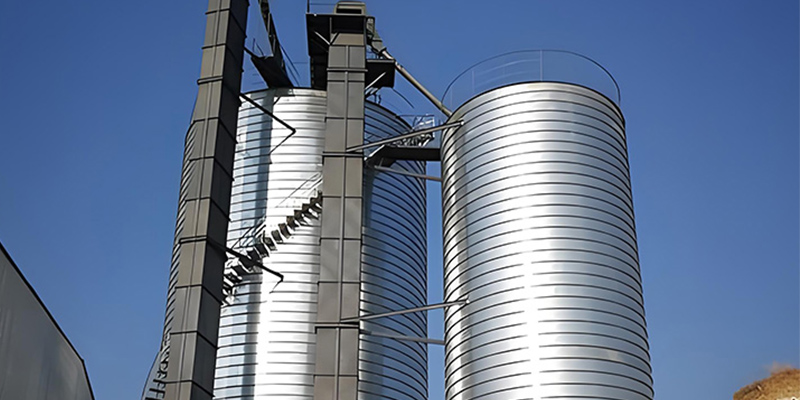
Conclusion: Prevention Is Better Than Cure
“Limping” wear in chain bucket elevators is a classic systemic issue, usually stemming from foundation installation errors or structural deformation after long-term operation. When facing such problems, adopt a systematic diagnostic approach:
Observe the symptom → Measure data (verticality/alignment) → Correct the foundation → Replace components.
Cultivating a habit of regularly inspecting the verticality and alignment of your equipment can effectively prevent such abnormal wear. This significantly reduces downtime and maintenance costs, ensuring the continuous and stable operation of your production line.