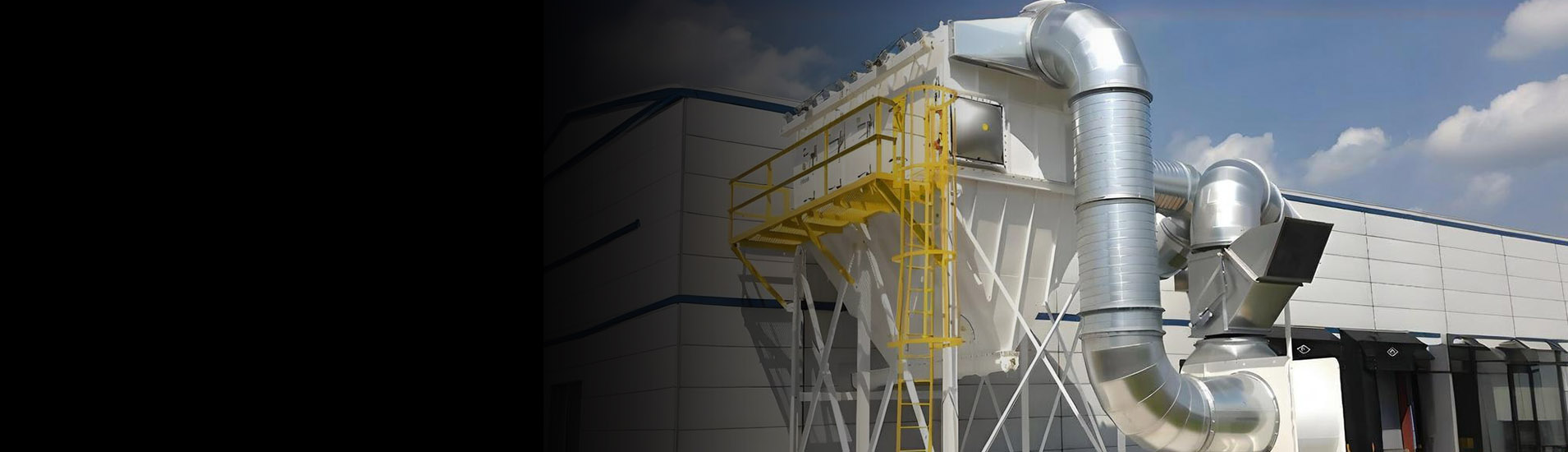
Our Industrial Dust Collector Series
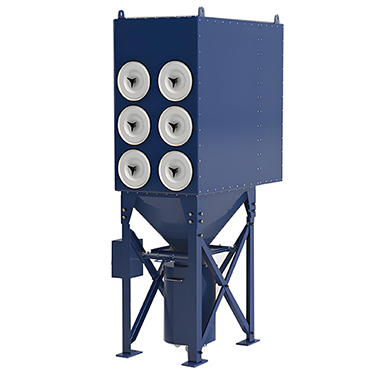
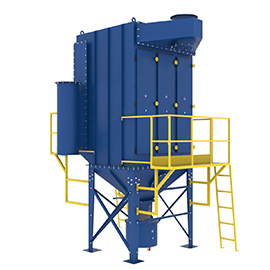
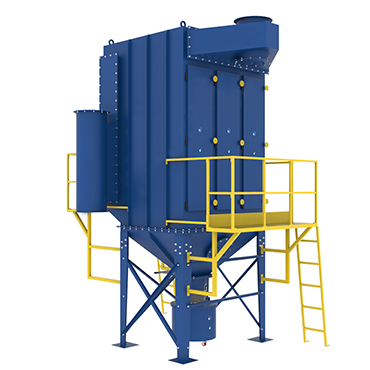
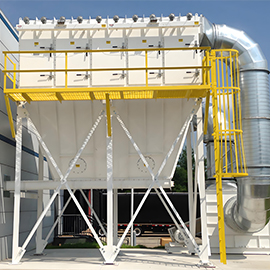
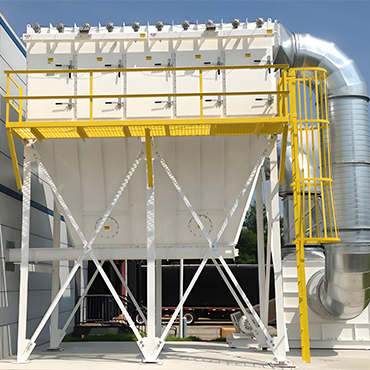
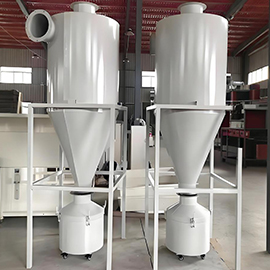


Dust Collector for different Material


Customized Dust Collector
- Dust Collector for Different Scenarios
- Grade Dust-collection Efficiency
- Global Dust Removal Solutions
- Product Series & Core Advantages
- Frequently Asked Questions
- Key Advantages



Cartridge Dust Collector
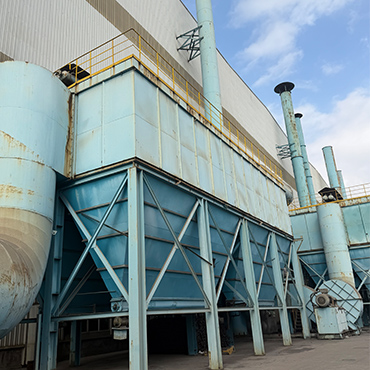
Pulse Jet Dust Collector (For Cement Plants)
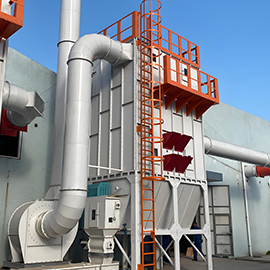
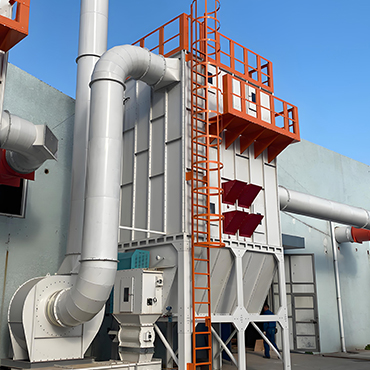
Bag Filter Dust Collector (Cement Bag Filter)
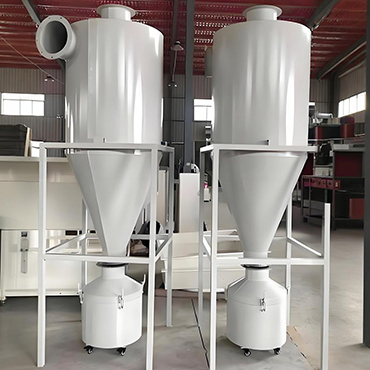
Cyclone Dust Collector
Explosion-Proof Dust Collector
High Temperature Dust Collector
Desulfurization Dust Collector
Customized Dust Collector
Q: What are the advantages and disadvantages of different types of dust collectors?
| Item | Bag filter dust collector | Electrostatic dust collector | Cyclone dust collector |
| Working Principle | Based on the filtration principle, using filter bags to intercept dust particles. | Utilizes a high-voltage electric field to charge dust, which then deposits onto collection plates under the influence of the electric field. | Uses centrifugal force to separate dust; the dust-laden gas rotates to form an outer vortex, with dust being thrown against the walls and discharged. |
| Dust Removal Efficiency | High, with an efficiency of over 99% for fine dust (such as <10μm). | High, capable of handling dust sizes from 0.01 to 50μm, generally with high efficiency. | Lower, primarily targeting dust larger than 5 to 10μm, with efficiency typically below that of high-efficiency collectors. |
| Pressure Loss | Relatively high; operating resistance increases with dust accumulation on the filter bags. | Relatively low, generally less than 20 mm water column. | Relatively low, with resistance around 80–160 mm water column. |
| Investment Cost | Relatively high, with expensive equipment and replacement costs for filter bags. | Moderately high, as the equipment is complex and requires a high-voltage power supply. | Low, with a simple structure and inexpensive construction.。 |
| Operation and Maintenance | Requires regular replacement of filter bags to prevent blockage or condensation; maintenance of the cleaning system is necessary. | Requires periodic cleaning of the electrode plates and wires to maintain the stability of the electric field. | Simple structure and easy maintenance, but needs checks for wear or air leaks. |
Q: How long is the service life of a dust collector?
The service life of a dust collector is mainly influenced by three types of factors: “equipment type, usage environment, and maintenance conditions”. The conventional service life ranges from 5 to 15 years, with significant variations.
Q: How long does the installation and commissioning of the dust collector system take??
The installation typically requires 3 to 10 days, depending on the scale of the system and site conditions. For example, the installation of modular transport equipment for large industrial projects may take over 7 days, while smaller systems can be completed in about 3 days. Key influencing factors include the level of equipment modularity (modular design can enhance efficiency), site foundation preparation (such as surface levelness), and the skill level of personnel. The debugging usually takes 1 to 3 days.
Q: Can your dust collectors integrate with belt conveyors?
Absolutely. Our belt conveyor dust collectors are specially designed for material transport dust control, ensuring zero leakage.
Q: What is the filtration efficiency of your dust collectors?
Our bag filter dust collectors achieve 99.9% filtration efficiency, effectively capturing fine dust particles (<10μm) for cement plants.
Our dust collectors deliver 99.9% high-efficiency dust removal with premium filter media and advanced pulse jet cleaning technology. They feature robust construction for high temperature, abrasion, and corrosion resistance, adapting to harsh conditions in cement kilns, boilers, and production lines. With intelligent PLC control, automatic cleaning, and low energy consumption, they ensure stable operation and minimal maintenance. Fully enclosed structure effectively controls dust leakage, and the systems can be seamlessly integrated with process valves, belt conveyors, and chain conveyors to provide a reliable one-stop dust control solution. Customization and OEM services are available to meet specific client requirements.
Learn More About Darko's Dust Collection Systems
Why Choose Darko's Dust Collection Systems?