Industrial Conveyor Systems | High-Efficiency Material Handling Solutions
Comprehensive Bucket Elevator Solutions
Professional Conveying System Solutions
- Solution for Raw Material Extraction & Primary Conveying
- Solution for In-Plant Process Conveying
- Solution for Storage & Loading Conveying
- Industry-Specific Conveying Solutions
- FAQ
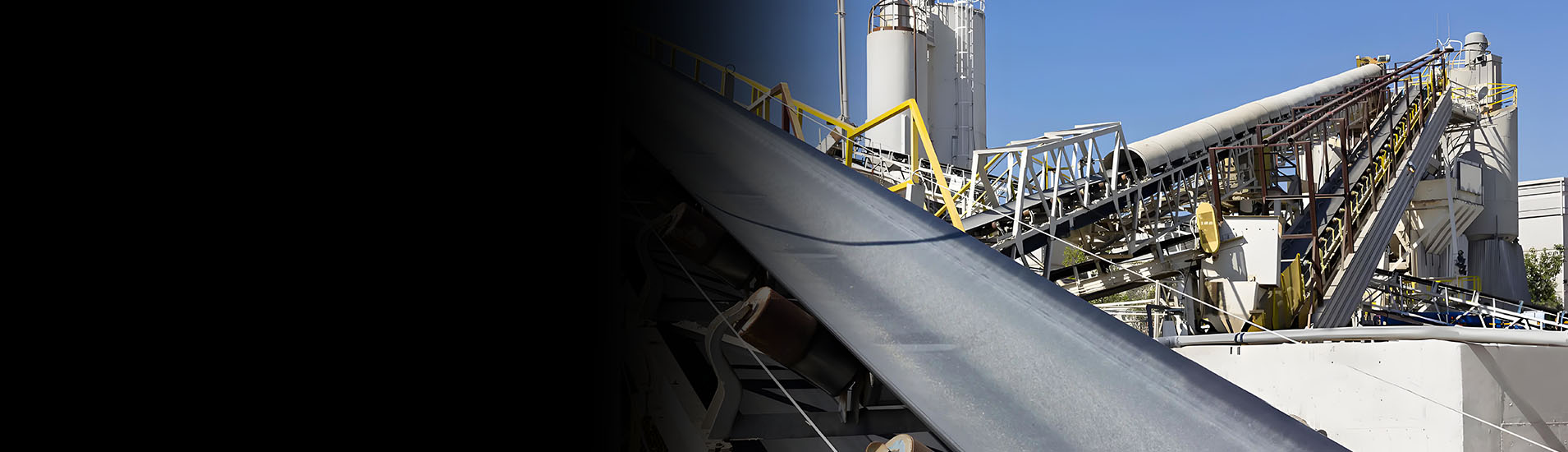
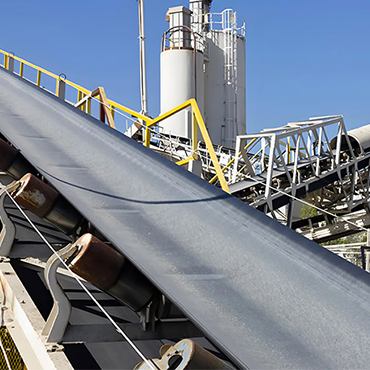
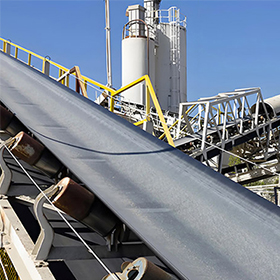
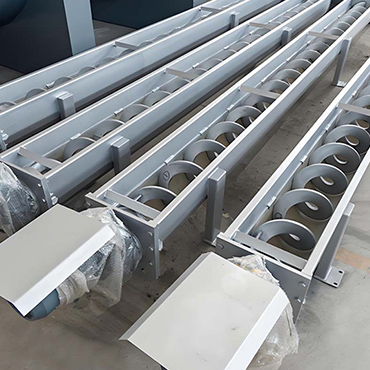
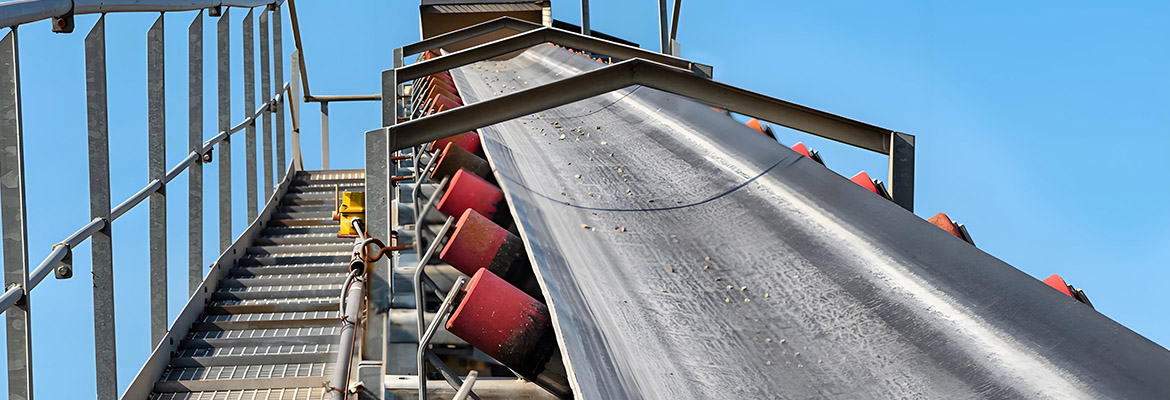
The initial stage of material extraction subjects equipment to the harshest conditions, including large lump sizes, extreme abrasion, and high impact. For this critical phase, we provide robust and reliable Heavy-Duty Belt Conveyors as the primary workhorses. Their Steel Cord (ST) Belting is engineered for long-distance, high-capacity conveying. Simultaneously, our TH Series and TD Series Bucket Elevators efficiently handle the vertical lifting of raw materials. For transferring smaller post-crushed particles, our LS Type and GL Series Tubular Screw Conveyors ensure steady and controlled feeding. This complete system is built to withstand the demanding environments of mines and quarries, delivering high reliability for your primary material handling needs.

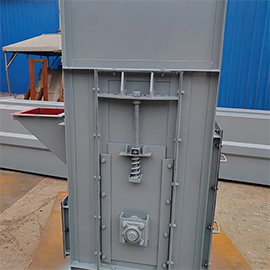
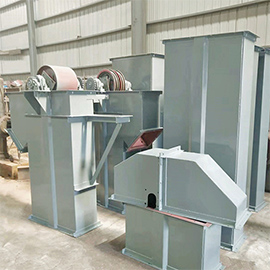

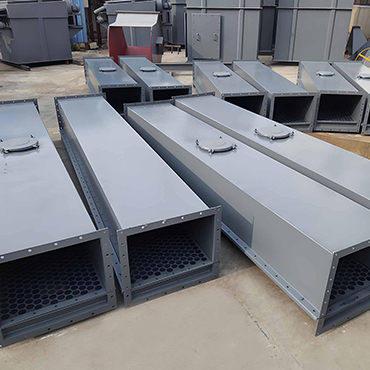
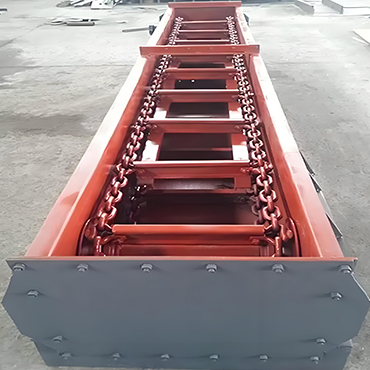
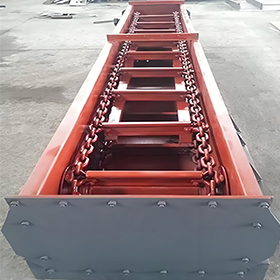
In-plant process conveying demands equipment that is precise, enclosed, and adaptable to specific material characteristics. For powders and fine granules like raw meal or pulverized coal, our U-Type Screw Conveyors, Air Slide Conveyors, and Tubular Screw Conveyors are ideal choices, enabling zero-dust-leakage, explosion-proof conveying. For handling high-temperature or highly abrasive materials such as clinker or finished products, our NE Series and HL Series Bucket Elevators along with Chain Conveyors demonstrate exceptional heat and wear resistance. In process stages requiring precise batching or dosing, our Twin-Shaft Screw Conveyors effectively prevent material bridging, ensuring uniform feed. Our equipment guarantees smooth, accurate, and safe material transfer between all process stages.


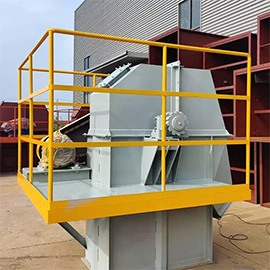
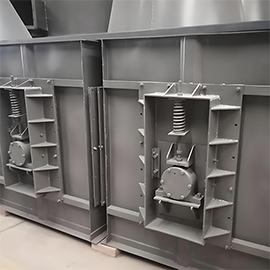

At the storage and dispatch terminal, efficiency and cleanliness are paramount. For silo bottom or side discharge, our LS Type and U-Type Screw Conveyors are reliable solutions to prevent clogging and achieve controlled discharge. In bulk truck/railcar/ship loading operations, a combination of Mobile Belt Conveyors and Bucket Elevators can build flexible and highly efficient automated loading systems, significantly boosting dispatch speed. Meanwhile, Air Slide Conveyors play an irreplaceable role in cement silo homogenization and inter-silo transfer. We focus on solving common pain points like poor discharge, dust emission, and slow loading rates, providing you with clean, efficient, and integrated conveying solutions from silo to transport.
Different industries have vastly different requirements for material conveying within their production processes. Whether it’s the high temperature and dust in cement plants, the extreme abrasion and heavy loads in mining, or the stringent hygiene and safety standards in grain and feed mills, choosing professional conveying equipment is key to ensuring efficiency, safety, and cost control. Below are our tailored conveying solutions and equipment selection recommendations for key industries.
1. Conveyor Equipment for Cement Plants: High-Temperature & Dust-Proof Complete Process Solutions
Industry Pain Points & Solutions:
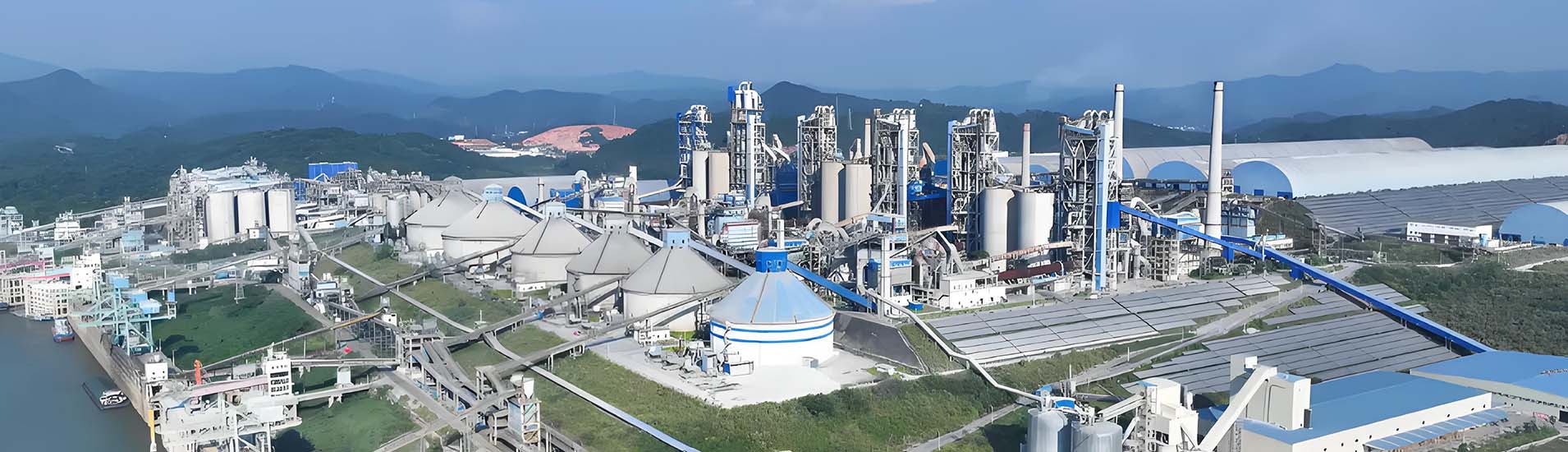
Cement production environments are notorious for high abrasion during clinker conveying, pervasive dust from raw meal and cement handling, and intense heat at the grate cooler section. Our complete-process conveying solutions address these core challenges with equipment engineered for extreme durability, superior sealing, and thermal resilience. We ensure smooth material flow from raw meal mill feeding to finished cement dispatch, helping you maintain continuous production while meeting strict environmental compliance.
Recommended Equipment & Core Advantages:
-
Clinker Conveying: Our high-temperature resistant chain conveyors and super abrasion-resistant mining belt conveyors are specifically designed for the harsh conditions of clinker transport after the grate cooler.
-
Enclosed Powder Conveying: U-Type Screw Conveyors and GL Series Tubular Screw Conveyors provide fully enclosed, zero-dust-leakage solutions for raw meal, pulverized coal, and cement—forming a critical part of modern cement plant dust control systems.
-
Efficient Vertical Lifting: NE Series and TH Series Bucket Elevators offer efficient and stable vertical conveying for finished cement and large raw material particles, respectively.
-
In-Silo Homogenization & Conveying: Air Slide Conveyors deliver efficient, low-energy solutions for cement silo homogenization and inter-silo transfer.
-
Packaging & Loading: LS Type Screw Conveyors serve as reliable packing machine feeders, while our Mobile Loading Belt Conveyors significantly improve bulk cement dispatch efficiency.
2. Mining & Quarry Conveying Systems: Heavy-Duty & High-Abrasion Resistance Equipment Selection Guide
Industry Pain Points & Solutions:
Mining and quarry operations demand equipment that can withstand relentless punishment: large lump impact, extreme abrasion, long-distance conveying, and continuous high-load operation. Our heavy-duty conveying systems are built from the ground up for these challenges, providing the reliability needed to minimize downtime and maximize productivity in your ore crushing production lines and aggregate processing plants.
Recommended Equipment & Core Advantages:
-
Primary Crushing & Long-Distance Conveying: Heavy-Duty Apron Feeders and Steel Cord (ST) Mining Belt Conveyors form the robust backbone for primary crusher discharge and long-distance raw ore transport.
-
Aggregate & Finished Product Conveying: Troughed & Enclosed Belt Conveyors effectively contain material and control dust during sand and aggregate transfer.
-
Flexible Stockpiling & Reclaiming: Telescopic Stockyard Belt Conveyors and Mobile Conveyors provide adaptable solutions for dynamic yard operations.
-
Vertical Lifting Solutions: TD Series and TH Series Bucket Elevators deliver reliable performance in lifting medium-crushed lump materials.
-
System Longevity: We supply critical wear components including Impact-Resistant Skirtboards and High-Abrasion Resistant Conveyor Belts to extend your system’s operational life.
3. Grain & Feed Conveying Equipment: Sanitary, Explosion-Proof & Residue-Free Professional Solutions
Industry Pain Points & Solutions:
In grain and feed processing, equipment hygiene, operational safety, and complete cleanability are non-negotiable. Our sanitary conveying solutions are designed specifically to prevent mold growth, eliminate cross-contamination risks, and meet explosion-proof requirements. We ensure your grain cleaning and feed processing operations maintain the highest standards of product purity and workplace safety.
Recommended Equipment & Core Advantages:
-
Sanitary Horizontal Conveying: U-Type Screw Conveyors, available in stainless steel, feature easy-access designs that enable thorough, residue-free cleaning—making them ideal for grain and feed applications.
-
Explosion-Proof Vertical Lifting: NE Series Explosion-Proof Bucket Elevators and HL Series Belt Bucket Elevators provide certified safe vertical lifting for potentially combustible dust environments.
-
Gentle Granule Conveying: Air Slide Conveyors utilize air fluidization technology for remarkably gentle and efficient handling of delicate grains.
-
Fully Enclosed Conveying: GL Series Tubular Screw Conveyors create a completely sealed environment that prevents pest ingress and external contamination.
-
Customization for Higher Standards: We offer specialized options including polished surfaces and quick-release mechanisms to meet even the most stringent sanitary protocols.
As Your Trusted Partner in Industrial Conveying, Our Expertise Extends Far Beyond.
In addition to the key industries highlighted above, our conveying equipment and systems are widely applied across numerous other sectors, including power generation, chemical processing, metallurgy, ports & terminals, building materials, and environmental recycling. Whether you are handling fly ash, chemical raw materials, metal ores, recycled pellets, or other specialized materials, we possess the technology and experience to provide tailored conveying solutions.
Q1: What are the differences between a Belt Conveyor, a Screw Conveyor, and a Bucket Elevator? How do I choose?
A: These are three fundamental types of industrial conveying equipment. Selecting the right one depends on your material and process:
-
Belt Conveyors excel at horizontal or low-incline, long-distance transport of bulk materials like sand, ore, or coal, offering high capacity with low energy use.
-
Screw Conveyors are ideal for enclosed, short-distance conveying of powders, granules, or small lumps, such as cement or grain, perfect for applications requiring dust containment.
-
Bucket Elevators are specialized for vertical or steeply inclined lifting of materials like grain, fertilizer, or clinker, solving space constraints efficiently.
The choice hinges on your material’s size, moisture, and abrasiveness, along with required capacity, distance, and any specific needs like dust-tight or explosion-proof design.
Q2: In which industries are Bucket Elevators most commonly used? What should be considered during selection?
A: Bucket Elevators are workhorses in industries requiring efficient vertical transport, such as cement plants for raw meal and cement, grain and feed mills, mining operations, and chemical processing plants.
For selection, key considerations include: the material type (powders suit NE-type centrifugal models, while lumps need TH/TD gravity-discharge types), the required lift height and capacity, and the operating environment where features like explosion-proof construction may be critical.
Q3: How can I reduce the maintenance costs and extend the service life of a Belt Conveyor?
A: Proactive maintenance is key to maximizing belt conveyor life and minimizing costs. Focus on preventing belt misalignment through regular checks of idlers and pulleys. Invest in a high-quality, abrasion-resistant conveyor belt and ensure proper splicing. Implement a routine schedule for lubricating bearings and cleaning off material buildup to prevent component wear. Adding basic monitoring for issues like misalignment or overload can prevent small problems from causing major downtime, significantly extending your system’s operational life.
Q4: What are the advantages and disadvantages of an Air Slide Conveyor? What materials is it suitable for?
A: The Air Slide Conveyor offers unique benefits and limitations. Its main advantages are extremely low maintenance due to having no moving parts, silent and smooth operation, and low energy consumption. The primary disadvantages are that it only works with very dry, fine powders that can be fluidized by air and it requires a compressed air supply. It is perfectly suited for handling free-flowing, dry powders like cement, fly ash, or flour in applications such as silo homogenization or between process stages in a plant.
Q5: How do I design or select the right conveying system for my production line?
A: Designing an optimal conveying system requires a holistic approach. Start by thoroughly analyzing your material properties—size, density, moisture, and flow characteristics. Next, define your process goals: capacity, distance, lift height, and layout constraints. Finally, consider any environmental or safety requirements, such as dust control, washdown needs, or explosion hazards. The most effective path is to consult with our engineering team. By sharing your specific parameters, we can provide a tailored solution that ensures reliability, efficiency, and cost-effectiveness for your operation.
Q: Are your conveyors suitable for cement clinker?
A:Yes, our belt conveyors and bucket elevators are designed for high-temperature and high-abrasion materials, ensuring stable clinker conveying.
Q: Can they work with dust collectors?
A:Yes, our fully enclosed conveying systems integrate seamlessly with dust collectors and process valves for dust-free material handling.
Learn More About Darko's Conveyor Systems
Why Choose Darko's Conveyor Systems?