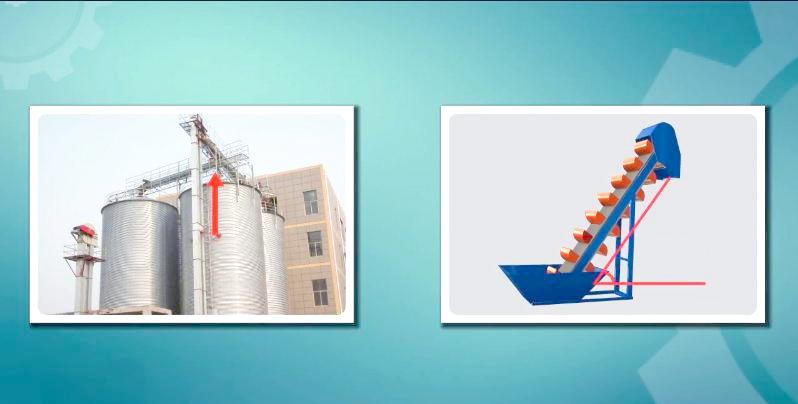
A belt conveyor is the primary coal transportation equipment in mines, and idlers are its most critical components.
What is a Conveyor Belt Roller?
Simply put, an idler is the most numerous, rotating component on a belt conveyor. It supports both the belt and the material. Although its structure is relatively simple, its role is vital. Idlers account for 35% of a conveyor’s total cost and generate over 70% of its operating resistance. Therefore, idler quality directly determines conveyor belt life (the belt itself accounts for over 25% of total cost), system energy consumption, and overall reliability. Manufacturing a high-quality, reliable, low-friction idler is an engineering challenge requiring precision and expertise.
Due to their vast quantities and variety, correct selection of idler type, specification, and spacing is crucial. It ensures safe, stable operation and minimizes maintenance costs and power consumption. Long-term practice proves that scientific selection and layout significantly improve operational stability, reduce initial investment by optimizing quantities, and lower long-term operating and maintenance costs.
What are the Different Types of Conveyor Rollers?
Based on function and design, conveyor idlers mainly fall into six professional types:
1. Troughing Idlers
These usually consist of three shorter rollers. Trough angles are 30°, 35°, or 45°. The 35° angle is the industry standard and the most common type. They are specifically for heavy-duty bulk material transport.
2. Transition Idlers
High-capacity, long-distance systems require transition zones with these special idlers. Their length depends on belt tension utilization. For example, with tension utilization >90%, fabric core belts need a 1.6x belt width transition, while steel cord belts need 3.4x.
3. Impact Idlers
These feature rubber disc rings. A set typically includes three rollers with optional 30°, 35°, or 45° trough angles. Note: cotton fabric core belts must use only 35° impact idlers. Installed at loading points, they absorb material impact through elastic deformation to protect the belt.
4. Flat Return Idlers
The standard for the return run, these support the empty belt. Their adjustable mountings also allow for belt training to correct misalignment.
5. Spiral Idlers
This special self-cleaning design is usually installed near the head pulley. The spiral structure automatically removes sticky material from the belt surface as it rotates.
6. Belt Training Idlers
Available in friction or conical types for upper or lower belt strands, they automatically adjust their angle to correct belt misalignment and guide it back on track.
How to Choose Conveyor Idlers
Selecting the right idler is key to optimizing efficiency, lowering total cost of ownership (TCO), and ensuring long-term reliability. Wrong choices cause belt wear, high energy use, frequent stops, and costly maintenance.
Step 1: Define Core Application Parameters
Start by confirming these basics:
-
Material Characteristics: Type (ore, coal, grain, chemicals), density, size, abrasiveness, moisture, temperature.
-
System Design: Belt width (B), speed (V), capacity (TPH), length, incline.
-
Environment: Indoor/outdoor, ambient temperature, and presence of dust, moisture, salt spray, chemicals, or explosive atmospheres.
Step 2: Select Type by Function and Location
Idlers have different roles. Match them correctly:
| Location & Function | Recommended Type | Key Consideration |
|---|---|---|
| Carrying Side (Upper) | Troughing Idlers | Trough Angle (35°/45°/60°): Affects capacity & stability. 35° is standard. Use 45° or 60° for higher volume or rolling material. |
| Loading Point (Impact) | Impact Idlers | Impact Capacity: Choose rubber disc thickness/density based on drop height & material size/weight. Use an Impact Bed for heavy shock. |
| Return Side (Lower) | Return Idlers | Cleaning Need: For sticky material, choose Spiral or Scraper self-cleaning idlers to prevent buildup. |
| Prevent Misalignment | Belt Training Idlers | Placement & Frequency: Install at regular intervals (e.g., every 10-15 normal idlers) for automatic correction. |
| Head/Tail Transition | Transition Idlers | Smooth Transition: Reduce belt stress at pulleys. Spacing is critical for long-distance, high-tension conveyors. |
Step 3: Determine Load Rating & Standards
This ensures structural strength, especially for heavy loads.
-
Follow CEMA Standards: The global rating system.
-
CEMA B (Light Duty): In-plant, light packages.
-
CEMA C (Medium Duty): Most bulk materials like coal, sand.
-
CEMA D/E (Heavy/Extra Heavy Duty): Large mines, under crushers, long-distance conveyors.
-
-
Shaft & Bearing Choice: Higher ratings mean thicker shafts, larger bearings (e.g., series 22200), and stronger frames.
Step 4: Select Material & Sealing for the Environment
Material affects corrosion and wear life. Sealing affects maintenance.
-
Roller & Frame Material:
-
Painted/Galvanized Steel: Standard indoor, dry areas.
-
Hot-Dip Galvanized Steel: Outdoor or damp areas.
-
Stainless Steel (304/316): Food, chemical, or highly corrosive settings.
-
Engineering Plastic (HDPE, Polymer): Extreme corrosion or contamination-sensitive applications (e.g., salt, fertilizer).
-
-
Bearing Sealing System:
-
Basic Labyrinth Seal: Low-dust environments.
-
Multi-Labyrinth + Contact Lip Seal: High-dust, high-moisture areas.
-
Pregreased & Sealed for Life: Maintenance-free design, reduces downtime.
-
Step 5: Analyze Total Cost of Ownership (TCO), Not Just Price
The cheapest idler often costs the most. Consider:
-
Energy Cost: High rotational resistance increases long-term electricity bills. Choose Low Rolling Resistance (LRR) idlers.
-
Maintenance & Replacement Cost: Consider bearing life, seal reliability, and the labor/downtime for replacement.
-
Impact on Belt Life: Poor idlers are a major cause of premature belt wear.

Conclusion
Mastering idler selection is the key to a successful conveying system. The right choice protects your belt, slashes energy and maintenance costs, and ensures continuous, efficient operation.